Iran conflict pushes Fed rate‑cut outlook to September — SkimNews

Get the Finance newsletter
Daily finance — markets, central banks, M&A, the prints that move money. Free.
- Investors trimmed bets on the number of Fed rate cuts this year, now expecting only one or two cuts with the first not until September, down from two or three cuts starting in July.
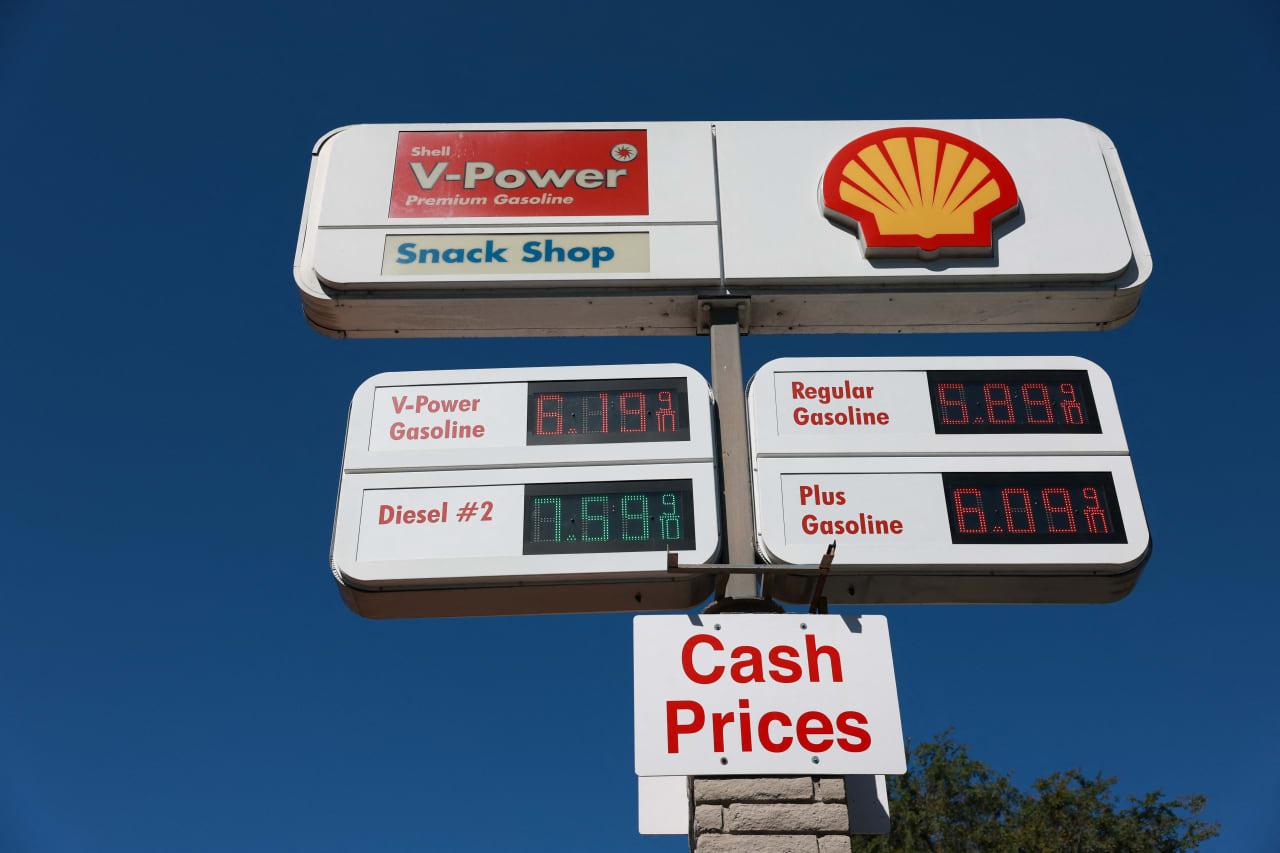
- West Texas Intermediate crude price rose 36% to $90.90 per barrel after the US and Israel attacked Iran, marking the biggest weekly rise since 1983; pump prices rose over 30 cents to $3.32, the highest since summer 2024.
- US labour market data showed 92,000 jobs lost in February, reversing earlier signs of stabilization and fueling concerns about stagflation, per RSM US chief economist Joe Brusuelas.
- Goldman Sachs warned that Brent crude could exceed its 2008 peak of $140 per barrel if the Strait of Hormuz remains closed.
- 10‑year Treasury yield rose 0.18 percentage points, its worst week since President Trump’s April tariff announcement.
- President Trump urged the Fed to cut short‑term borrowing costs from 3.5% to 3.75% or even as low as 1%.
- Christopher Waller said the gasoline price spike is unlikely to cause sustained inflation, despite consumer shock.
Why it matters: Investors lose certainty as the Fed’s rate‑cut timeline recedes, while borrowers face higher financing costs; the oil price shock and weaker jobs data tighten inflation pressures, forcing the Fed to balance price stability against growth, and raising the stakes for markets betting on a rapid easing cycle.
Ask SkimNews