Netflix Drops 10% on Weak Q2 Guidance, Hastings Exit — SkimNews
Get the Finance newsletter
Daily finance — markets, central banks, M&A, the prints that move money. Free.
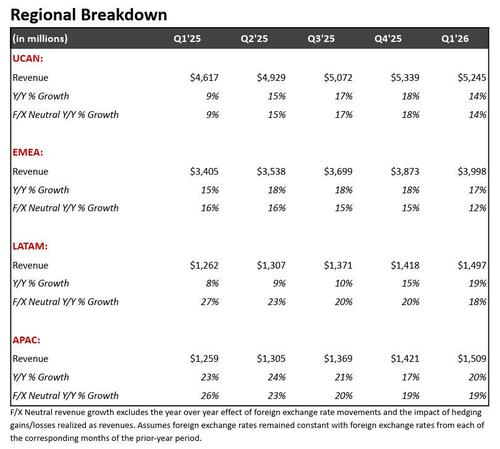
- Netflix reported Q1 revenue of $12.25 billion (+16% y/y), beating the $12.17 billion estimate, but US & Canada revenue missed at $5.25 billion versus the $5.28 billion consensus, despite a recent US standard plan price hike to $20/month
- Q2 guidance came in below estimates across the board, with Netflix forecasting EPS of 78c (vs. 84c), revenue of $12.57 billion (vs. $12.64 billion), and operating margin of 32.6% (vs. 34.4% expected)
- Reed Hastings is stepping down as board chairman after 29 years to pursue "philanthropy and personal interests" — he co-founded Netflix as a DVD-by-mail service, guided it past Blockbuster, and built it into a streaming operation spanning 190+ territories before ceding the CEO role in 2023
- Free cash flow nearly doubled to $5.1 billion in Q1, up from $2.7 billion a year earlier, largely thanks to a $2.8 billion termination fee from Netflix's February withdrawal from the Warner Bros. Discovery bidding war against Paramount Skydance
- Netflix raised its full-year free cash flow outlook to approximately $12.5 billion (from $11 billion) due to the after-tax impact of the Warner Bros. termination fee, while keeping full-year revenue guidance of $50.7–$51.7 billion unchanged
- Netflix ended Q1 with $14.4 billion in gross debt and $12.3 billion in cash, an elevated balance tied to a paused share repurchase program — the company signaled a burst of buybacks is coming in the weeks ahead
- NFLX stock fell as much as 10% after hours, from roughly $107 to $97 before recovering, leaving shares essentially flat over the past year
Why it matters: Netflix's US subscriber base — its most mature, highest-margin market — is the canary for streaming saturation, and a revenue miss there despite recent price hikes signals pricing power may be hitting its ceiling. The $2.8B Warner Bros. termination fee papers over a quarter that would otherwise look weaker on cash generation, while Hastings' exit removes a founder figure whose vision built the streaming model that every competitor is now copying.
Ask SkimNews




