Ice Baths May Undercut Muscle Gains, Scientists Find — SkimNews
Get the Health newsletter
Daily health & science — research, biotech, public health, the studies worth knowing. Free.
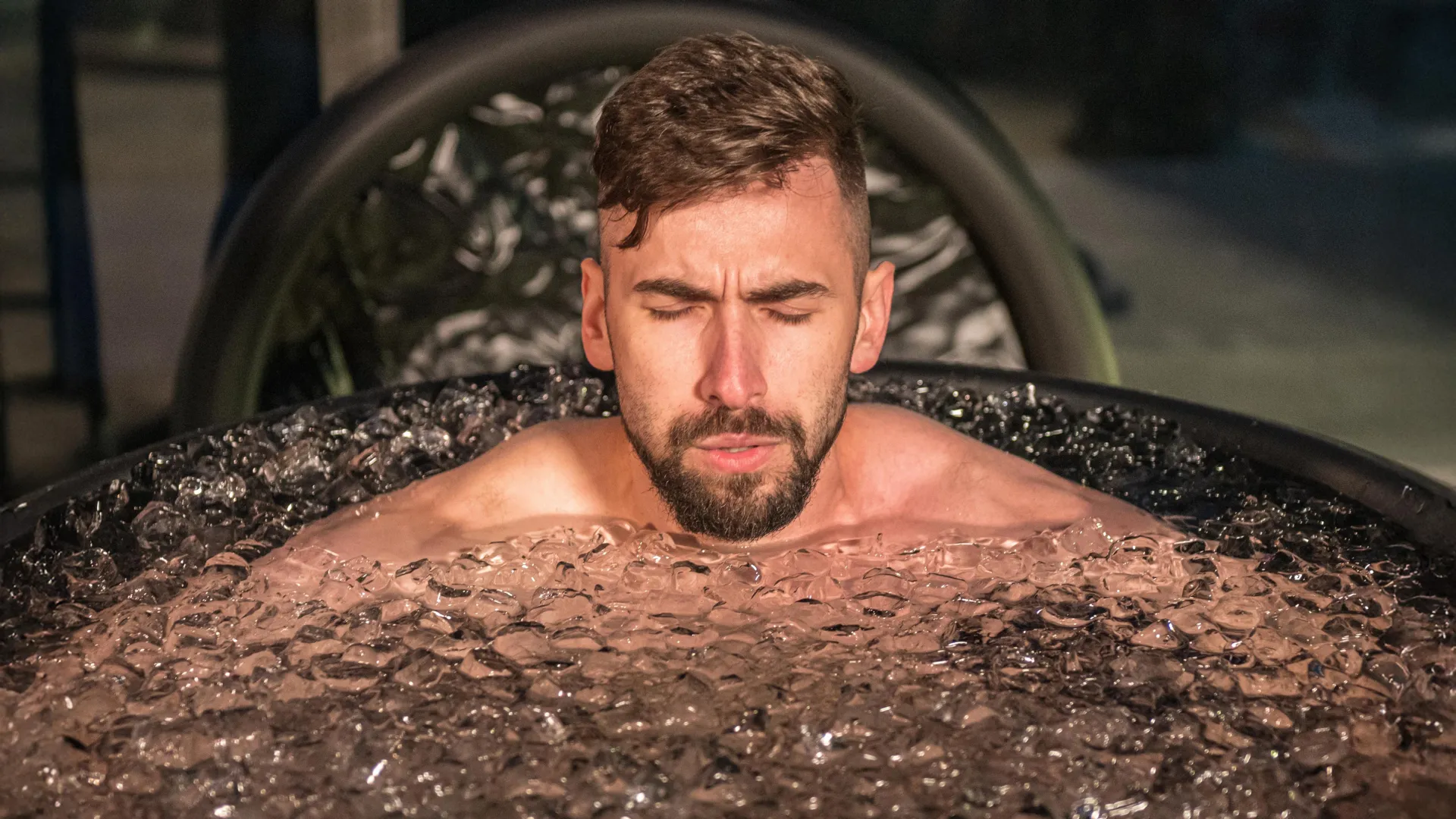
- Ice baths (water below 15°C) ease muscle soreness within 24 hours but may blunt the inflammatory response that drives long-term muscle adaptation when used regularly, per research reviewed by University of Bath's Max Davis.
- A 2022 study found compression garments improved circulation and muscle blood flow more than a placebo, but it's unclear whether those changes translate into meaningful performance recovery.
- Massage has relatively consistent scientific support for reducing soreness and improving perceived recovery, though objective gains in muscle function and performance remain modest and inconsistent.
- Whey protein offers small-to-moderate muscle-recovery benefits, while BCAAs are outclassed by complete protein sources because muscle repair needs all essential amino acids, not just the leucine, isoleucine, and valine in BCAA blends.
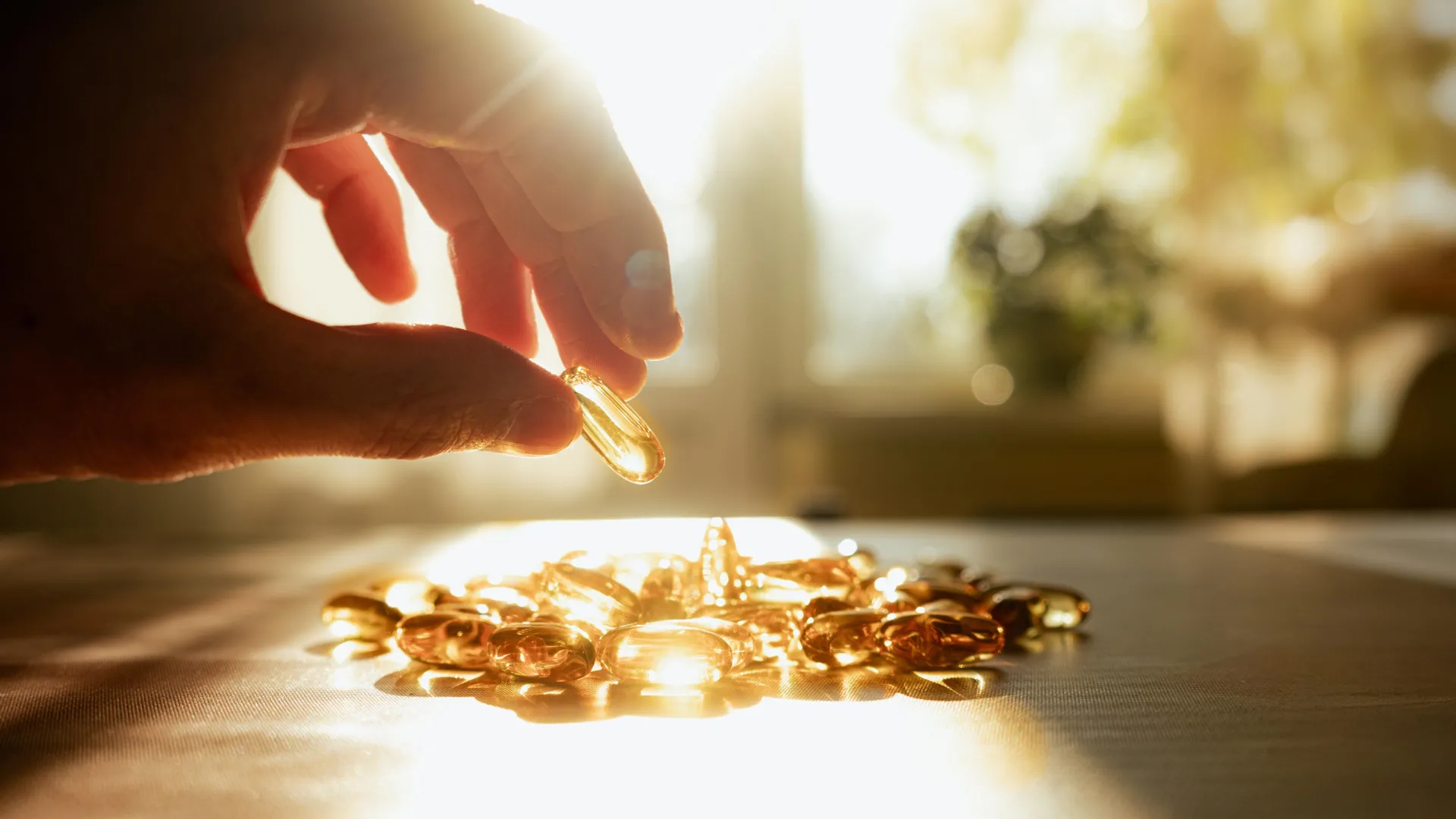
- Tart cherry juice shows small-to-moderate effects on reducing post-workout soreness and may help restore muscular strength and power, while omega-3 results are inconsistent and unlikely to dramatically improve recovery.
- The best-evidenced recovery methods are 7-9 hours of sleep nightly, 20-40g of protein after exercise, adequate carbs, and a structured training plan with rest days between sessions — cheaper than any trending product on the market.
Why it matters: For recreational gym-goers buying into elite-athlete recovery routines, the trade-off is concrete: ice baths ease short-term soreness but may sacrifice the muscle-building adaptations that make training worthwhile. Meanwhile, the cheapest interventions — sleep, protein, and scheduled rest — are the best-evidenced, suggesting the multi-billion-dollar recovery supplement industry is largely selling feel-good over measurable function.
Ask SkimNews