Ice baths may undercut your workout gains — SkimNews
Get the Health newsletter
Daily health & science — research, biotech, public health, the studies worth knowing. Free.
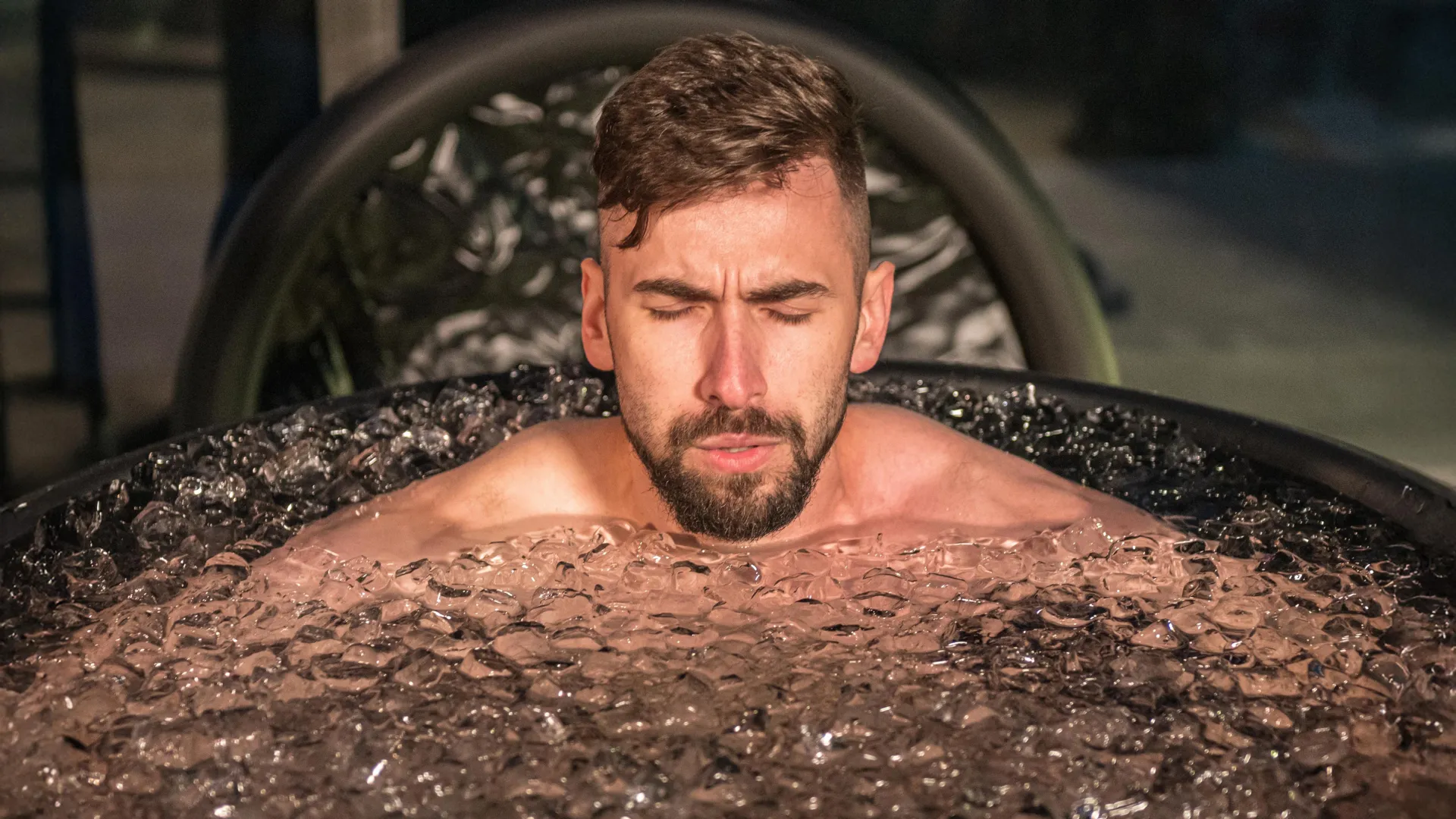
- Ice baths reduce muscle soreness within a 24-hour window but may limit long-term muscle-building adaptations by dampening the inflammation that triggers muscle growth, per the review.
- A 2022 study found compression garments improve circulation and muscle blood flow physiologically—not via placebo—yet evidence they meaningfully restore muscle function is unconvincing.
- Massage consistently eases perceived soreness and stiffness, but objective improvements in muscle function and performance are modest and inconsistent.
- Whey protein delivers small-to-moderate recovery benefits because it contains all essential amino acids, while BCAAs alone underperform because muscle repair requires the full amino acid set.
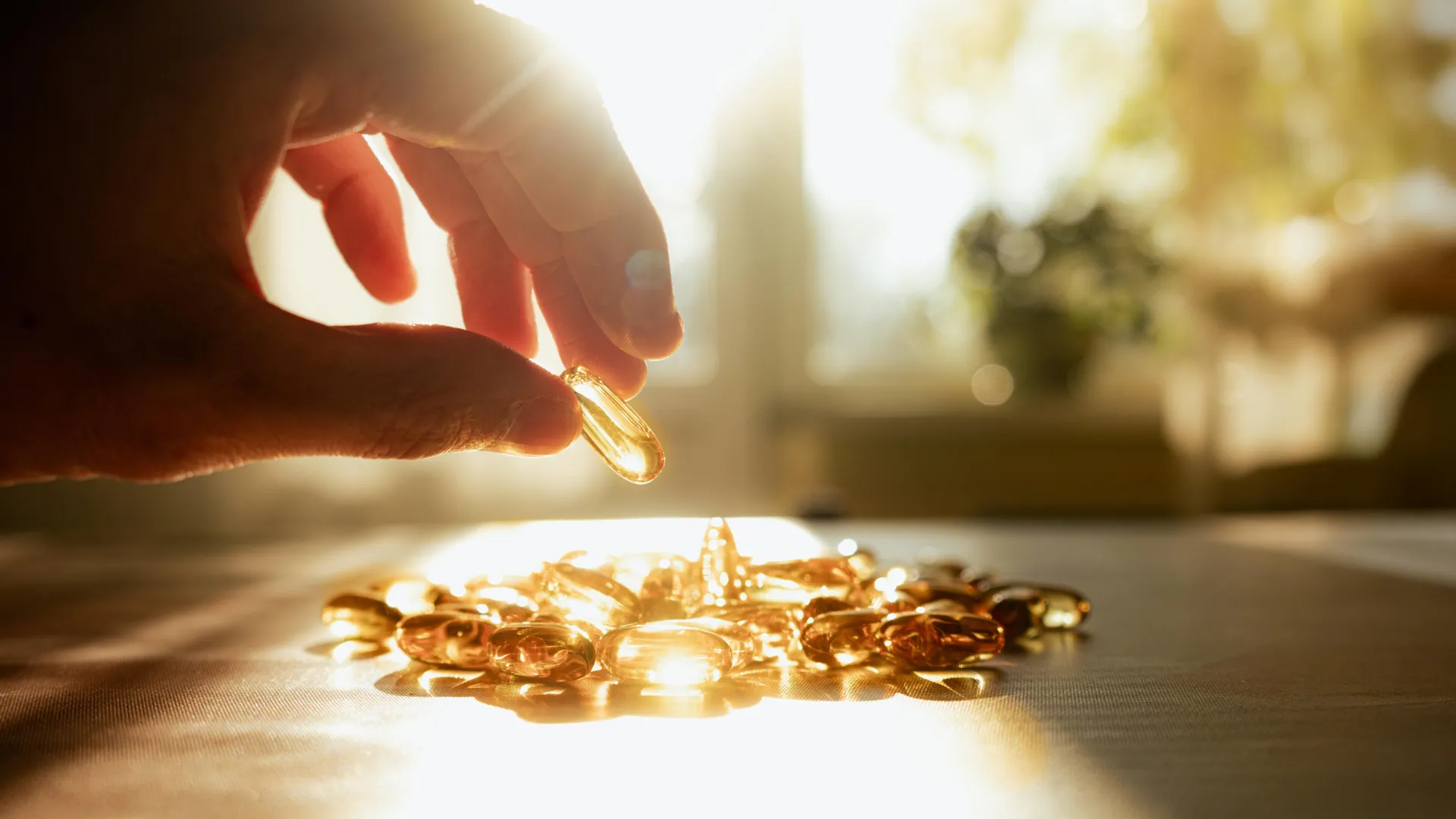
- Tart cherry juice shows small-to-moderate reductions in post-workout soreness, and omega-3 supplements offer modest, inconsistent effects—both nutrients are obtainable from whole foods.
- The review concludes that prioritizing 7–9 hours of sleep, consuming 20–40g of protein after exercise, and scheduling rest days outperform any recovery product.
Why it matters: Recreational gym-goers increasingly adopt elite-athlete recovery products like ice baths and BCAAs, but the science shows these tools mostly mask soreness rather than rebuild muscle—and ice baths specifically may trade short-term comfort for smaller long-term gains, making the cheapest interventions (sleep, balanced diet, rest days) the evidence-based winner.
Ask SkimNews