How the USA fell in love with football — SkimNews
Get the Sports newsletter
Daily sports — scores, transfers, the storylines from the leagues you actually follow. Free.
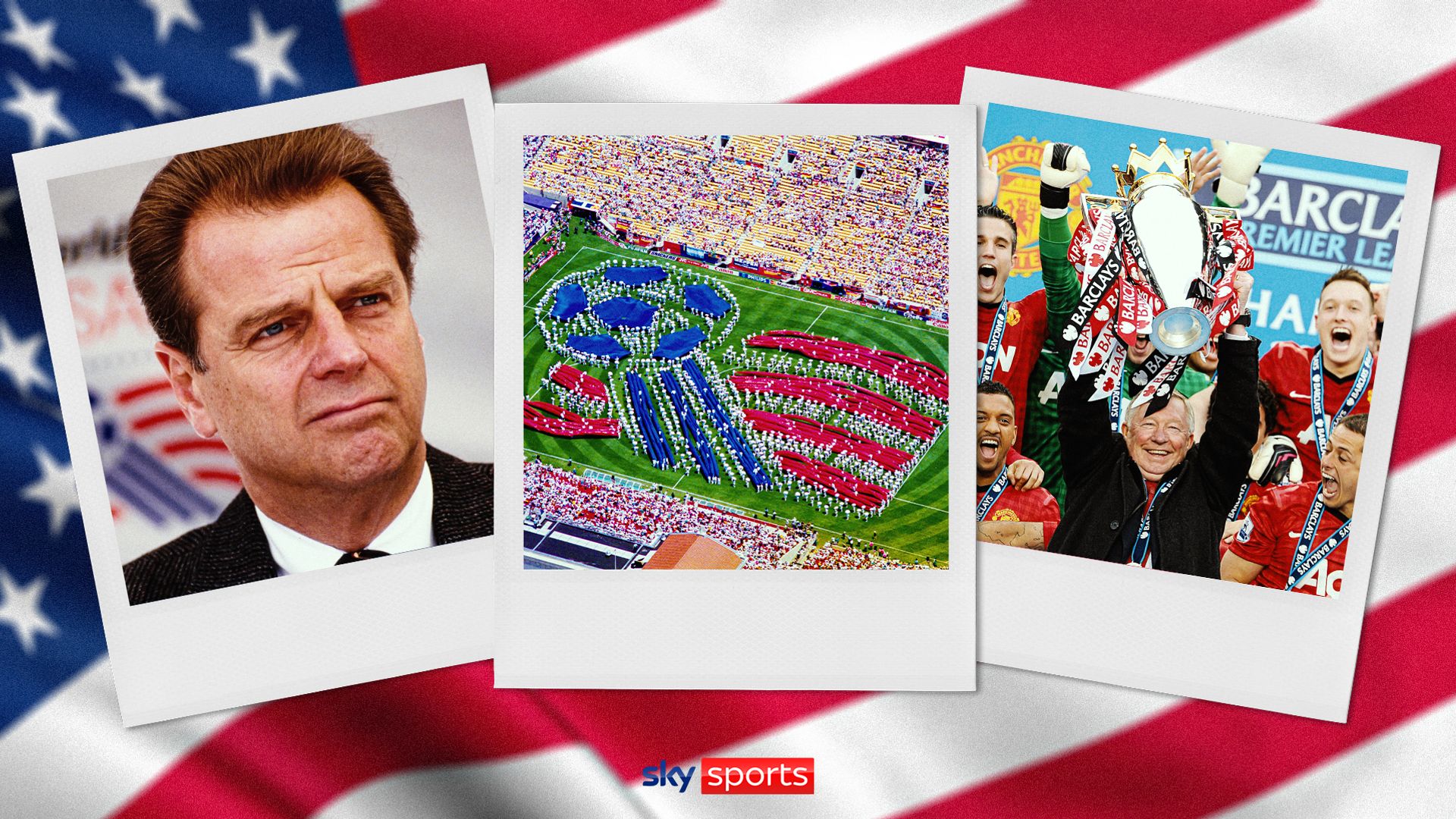
- Alan Rothenberg was elected chief of the US Soccer Federation in summer 1990 and led the effort to host the 1994 World Cup despite the federation being a volunteer organization with limited infrastructure.
- 1994 World Cup was marketed as a glitzy, celebrity‑filled event (Barry Manilow, Julio Iglesias, Robin Williams, Oprah Winfrey, Diana Ross) and sold almost 3.6 million tickets, becoming the best‑attended World Cup in history.
- MLS was launched two years after the 1994 tournament, using the World Cup’s success to attract investors, sponsors, and TV deals, though it initially featured American‑style shootouts and a 45‑minute countdown clock.
- Premier League began regular US broadcasts in 2013, which Roger Bennett says “changed everything” by giving American fans live access to top‑flight football and linking them to clubs via the internet.
- Roger Bennett observed that the combination of Premier League coverage and online connectivity created a sizable, previously unseen community of US football lovers, accelerating the sport’s rise to become the nation’s third‑most loved sport.
Why it matters: The 1994 World Cup’s record attendance and celebrity‑driven promotion proved the U.S. market could sustain large soccer events, convincing investors and broadcasters to back MLS and Premier League rights, thereby giving American fans a high‑quality product and giving sponsors a new revenue stream.
Ask SkimNews