Bangladesh presses India before Ganges water treaty expires — SkimNews
Get the Geopolitics newsletter
Daily geopolitics — wars, elections, sanctions, the diplomatic moves that move markets. Free.
- Bangladesh presses for a new Ganges water-sharing agreement with India before the 1996 treaty expires on December 12, demanding terms based on 'mutual benefit and respect'.
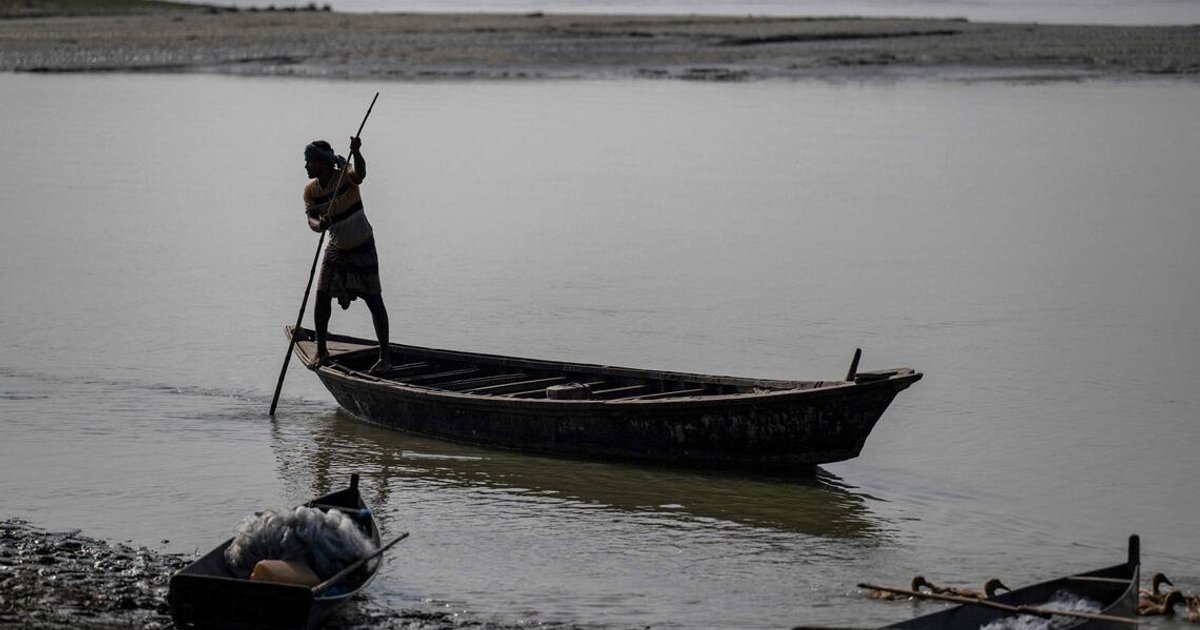
- Farmers and fishers in Bangladesh’s Barind region report ruined crops and collapsed fish catches due to reduced Ganges flows, with two farmers dying by suicide last season.
- Bangladesh approved a US$2.8 billion Padma Barrage project in May to mitigate water shortages, including a 113-megawatt hydropower plant.
- Malik Fida A. Khan, former member of the Joint Rivers Commission, says India has built additional upstream dams and insists any new treaty must address climate change and basin-wide management.
- India has not responded to Bangladesh’s request to negotiate treaty renewal, with the last technical talks held in May and the last ministerial-level Joint Rivers Commission meeting in 2022.
- Sheikh Rokon of Riverine People warns that without a treaty, the Ganges could suffer as it did in the 1980s when three rivers nearly dried up, including the Gorai, which sustains the Sundarbans.
Why it matters: Over 50 million people in Bangladesh depend on the Ganges for water, agriculture, and ecosystem stability. Failure to renew the treaty risks deepening water scarcity, collapsing rural livelihoods, and accelerating saltwater intrusion in the Sundarbans—a World Heritage site—just as demand rises on both sides and climate pressures intensify.
Ask SkimNews