U.S. Federal Reserve raises interest rates for first time since 2023, drawing Trump ire — SkimNews

Get the Finance newsletter
Daily finance — markets, central banks, M&A, the prints that move money. Free.
- Federal Reserve raised its benchmark interest rate by 25 basis points to a range of 3.75-4%, its first increase since 2023, in a unanimous FOMC decision aimed at supporting a "timelier return" to the Fed's 2% inflation target.
- FOMC projections showed 16 of 18 policymakers anticipate at least one more quarter-point hike by year-end, with only two expecting rates to hold steady; Warsh himself declined to submit a rate projection.
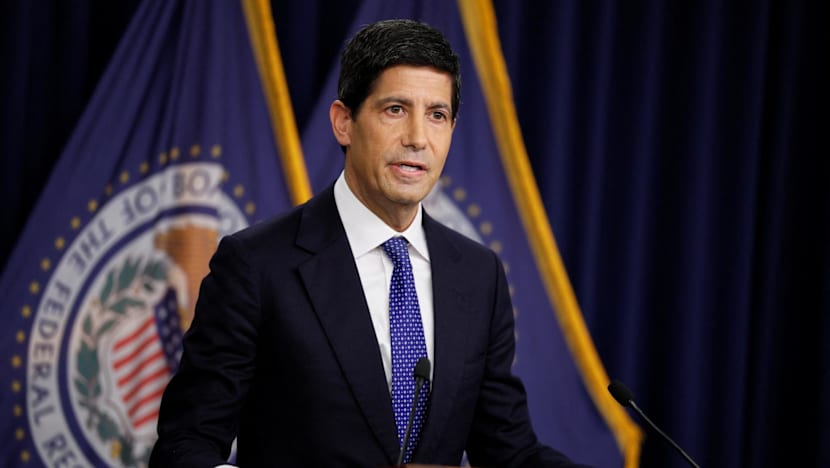
- Kevin Warsh, in his third decision as Fed chair since starting in May, described the economy as strong and characterized the hike as removing "a dose of accommodation," with investors reading his tone as hawkish.
- Donald Trump demanded rates be "1%, or less" in a social-media post but notably did not personally attack Warsh, a departure from his frequent jabs at predecessor Jerome Powell.
- U.S. Treasury yields jumped after the decision, with the two-year yield rising above 4.74% and the benchmark 10-year ending up 1 basis point at 5.02%.
- Canadian bond markets barely budged on the Fed move, but swaps are now pricing four to five Bank of Canada rate hikes by next June — a pace one analyst called "overly discounted," though the U.S.-Canadian five-year yield correlation means Canadian mortgages will still feel the impact.
- Oil prices were flagged by analysts as the "key wild card" for monetary policy, with sustained energy cost increases potentially forcing further Fed tightening if they spill into broader goods and services.
Why it matters: This is the Fed's first hike since 2023, with Chair Kevin Warsh striking a hawkish tone and 16 of 18 policymakers signaling further increases — directly defying Trump's public demand for rates at 1%. The two-year Treasury yield jumping above 4.74% after the decision points to tighter borrowing conditions ahead, with Canadian mortgage rates facing upward pressure through the strong U.S.-Canadian five-year yield correlation.
Ask SkimNews