Kushner, Witkoff's Gulf cash complicates Iran talks — SkimNews

Get the Geopolitics newsletter
Daily geopolitics — wars, elections, sanctions, the diplomatic moves that move markets. Free.
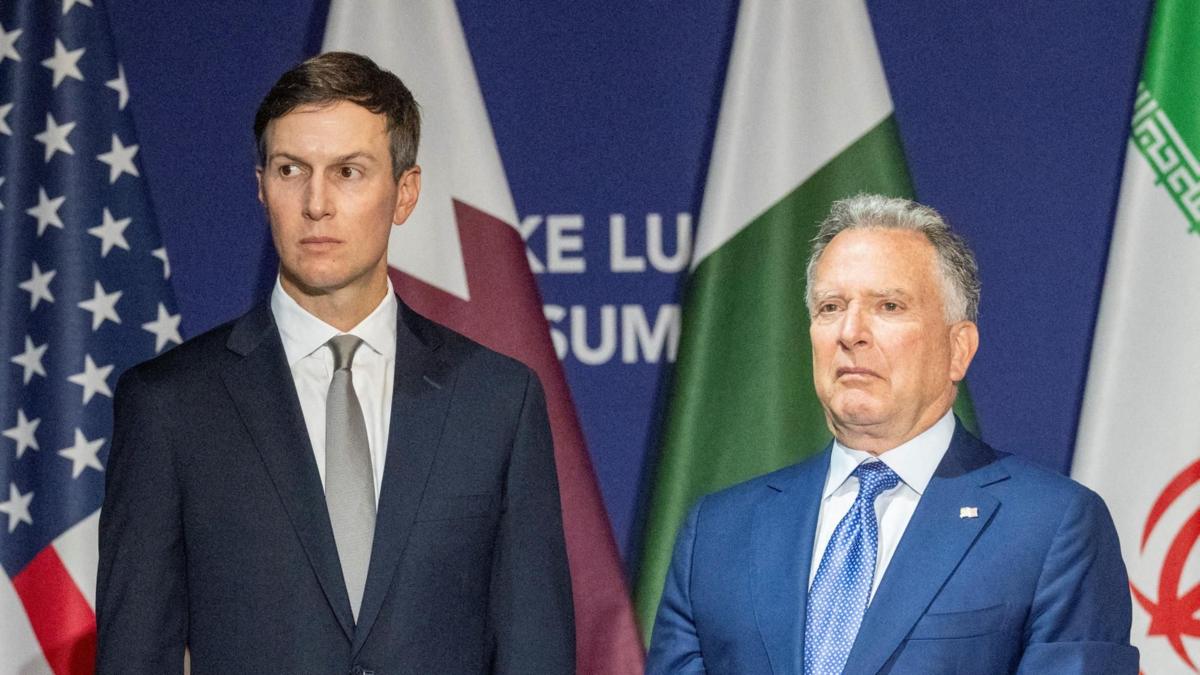
- Jared Kushner and Steven Witkoff, both real estate investors with cryptocurrency side ventures, are leading US-Iran negotiations alongside the vice president despite having no prior diplomatic experience, per a 2025 Al Jazeera opinion piece.
- Kushner's Affinity Partners holds over $5 billion in assets under management, with the majority sourced from Saudi Arabia's sovereign wealth fund and significant additional holdings from UAE and Qatar government funds, according to 2025 reporting.
- As of March 2026, the New York Times reported Kushner was actively raising further investments from Gulf governments at the height of the US-Iran war.
- Witkoff contributed seed money in 2024 to World Liberty Financial, the Trump family's crypto venture, which sold a 49% stake to UAE-linked Aryam Investment on January 16, 2025 — four days before Trump's inauguration.
- Kushner's family has donated hundreds of thousands of dollars to Israeli settler organizations and the "Friends of the IDF" charity, while Affinity Partners has channeled Saudi capital into Israeli technology investments, the article notes.
- Under Kushner's "Project Sunrise" Gaza plan advanced through the Board of Peace, the territory would be carved into zoned industrial and housing segments with 70% of its coastline earmarked for luxury hotel development, per the Times of Israel.
- The author argues Trump's appetite for visible "deals" combined with his negotiators' conflicts means agreements will be easy to strike but transient and prone to catastrophic collapse, citing the Abraham Accords and looming Iran, Gaza, and Lebanon deals as examples.
- The article cites the Constitution's emoluments clause, which bars federal officeholders from accepting "any present, Emolument, Office, or Title … from any King, Prince, or foreign State," as framing the conflict of interest.
Why it matters: With US negotiators holding multibillion-dollar Gulf investments while negotiating with Iran and planning Gaza's reconstruction, foreign counterparts may reasonably conclude that agreements serve the negotiators' private financial interests rather than US policy. The author's concrete prediction, grounded in the Abraham Accords precedent, is that deals will be easier to strike than durable ones — meaning the Iran, Gaza, and Lebanon frameworks now taking shape could collapse under their own internal contradictions.
Ask SkimNews