Katz-Zamir Clash Exposes Israel Civil-Military Rift — SkimNews

Get the Geopolitics newsletter
Daily geopolitics — wars, elections, sanctions, the diplomatic moves that move markets. Free.
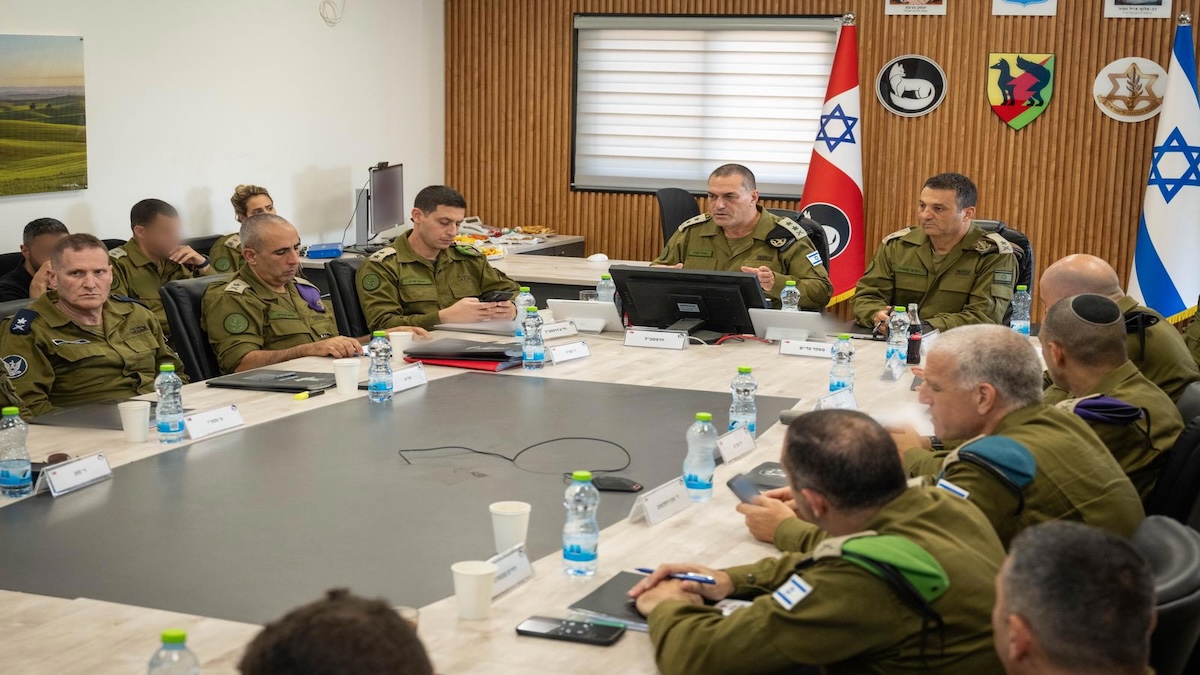
- Defence Minister Israel Katz publicly criticised Major-General Avi Bluth, commander of Israeli forces in the occupied West Bank, for seeking to extend the detention of an extremist settler, then announced Bluth's replacement on live television.
- Chief of Staff Eyal Zamir pushed back in public, insisting Bluth would remain in post and that proper procedures must be followed — a rare, televised rebuke of a sitting defence minister.
- The article traces the breakdown to four structural pressures: a war now stretching into its third year since the October 7 attacks, the absence of a shared definition of victory, divergent incentives between soldiers and coalition politicians, and the reversal of who defines what is militarily possible.
- Historically, Israeli military leaders from David Ben-Gurion through Yitzhak Rabin, Ehud Barak, Ariel Sharon, Benny Gantz and Yoav Gallant shaped security policy as partners, not mere executors; the army set the ceiling of political ambition.
- The author argues today's political leaders increasingly tell the army what must be achieved and attack it when the answer is no — a structural inversion of the old partnership, not a personal or disciplinary dispute.
- Practical effects cited include difficulty setting shared objectives, reaching an end both political and military leaders can accept, and maintaining a single durable strategy for the fighting.
Why it matters: The Katz-Zamir exchange is not personality drama but evidence that the institution which once insulated Israeli politics from overreach — the army's professional realism — has lost that veto. With the war in its third year and no shared definition of victory, reservists, soldiers and families absorb the cost of decisions whose authority is openly disputed in public.
Ask SkimNews