Trump Threatens Cuba Military Action After Castro Indictment — SkimNews
SkimNews Take
The simultaneous hardening of diplomatic and military rhetoric from U.S. officials suggests a coordinated strategy to increase leverage rather than a simple abandonment of engagement.
Get the Geopolitics newsletter
Daily geopolitics — wars, elections, sanctions, the diplomatic moves that move markets. Free.
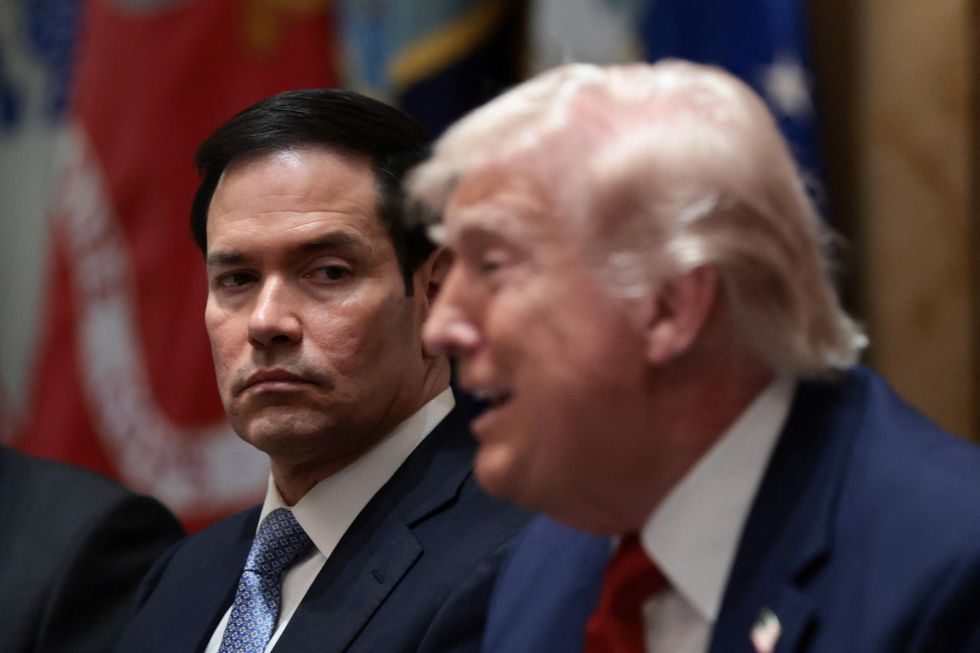
- Trump told reporters in the Oval Office he would be the president to "do something" about Cuba after 50-60 years of predecessors looking at it, saying he would be "happy to do it."
- Rubio said Cuba was a national security threat due to its intelligence and security ties with China and Russia, adding that "the likelihood" of a peaceful negotiated agreement "is not high."
- A federal grand jury indictment filed in secret in April and unsealed Wednesday charges Raúl Castro with murder and destruction of an aircraft for ordering the 1996 shooting down of civilian planes flown by Miami-based exiles.
- The Trump administration imposed new sanctions on Cuba this month, the largest targeting Grupo de Administración Empresarial SA (Gaesa), a conglomerate operated by the Cuban Revolutionary Armed Forces.
- Rubio announced that the sister of Gaesa's executive president, who was living in the US, had her green card revoked and was taken into ICE custody.
- The USS Nimitz aircraft carrier and accompanying ships arrived in the Caribbean Sea the same day the Castro charges were announced, though US Southern Command said the vessels were participating in maritime exercises that began in March.
- Cuba's President Miguel Díaz-Canel condemned the indictment as a political stunt designed to "justify the folly of a military aggression against Cuba," while China's foreign ministry spokesperson Guo Jiakun said Beijing "firmly supports Cuba in safeguarding its national sovereignty."
Why it matters: The administration is layering indictments, sanctions, immigration enforcement against Cuban military elites' families, and a major carrier strike group in the Caribbean — the same playbook that preceded the capture of Venezuela's Maduro in January. Rubio's blunt admission that diplomacy is unlikely raises the stakes for the estimated 1.5 million Cubans on the island already facing severe blackouts and food shortages from the existing energy blockade.
Ask SkimNews