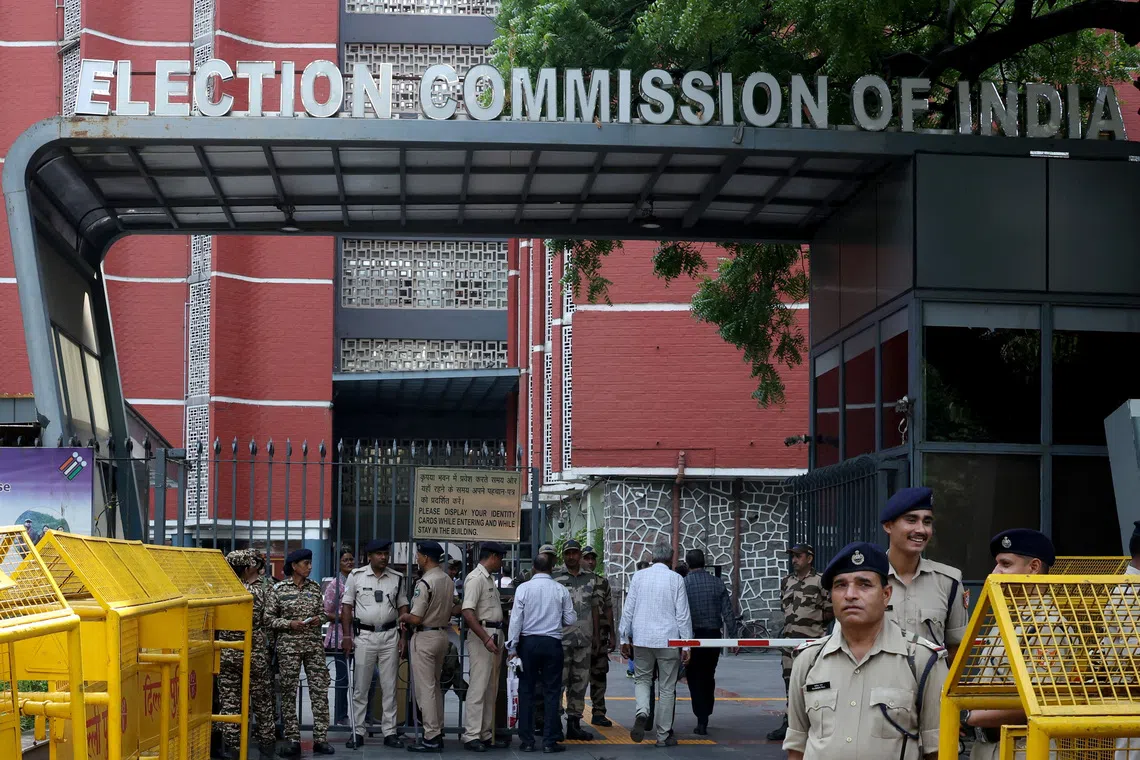
India Has No Citizenship Document. Voters Are Being Flagged — SkimNews

Get the Geopolitics newsletter
Daily geopolitics — wars, elections, sanctions, the diplomatic moves that move markets. Free.
- Navdeep Suri and Ramesh Chander, former Indian ambassadors to the UAE/Egypt and Belarus respectively, were flagged as suspected doubtful citizens during the August 2026 SIR because their names were missing from the 2003 voter list baseline while they served abroad.
- The Indian government has rejected Aadhaar, PAN, voter ID, driving licenses, ration cards, and bank records as proof of citizenship, and has never clearly notified any single document as conclusive proof.
- The Ministry of External Affairs stated in June that an Indian passport is a "travel document" and not proof of citizenship — though only about 7% of India's population currently holds one, making it inaccessible to most.
- The Calcutta High Court ruled that voter cards, Aadhaar, bank documents, and PAN do not automatically constitute conclusive proof of citizenship, echoing a 2022 Guwahati High Court ruling that citizenship must be assessed from the totality of evidence.
- Birth registration in India was only 56.2% in 2000 and reached 84.9% by 2017, while NFHS data shows only 26.9% of children under five had a birth certificate in 2005-06, rising to 62.3% by 2015-16 — leaving older adults largely without registered records.
- Census 2011 data shows literacy among Indians aged 60 and above was just 28% for women and 59% for men nationally, meaning the population least likely to hold documentation is also least equipped to navigate bureaucratic demands for it.
- Over the past 18 months, thousands — mostly Bengali-speaking Muslims — were detained as suspected illegal Bangladeshi migrants and asked to produce passports, birth certificates, or school-leaving certificates.
Why it matters: The SIR process imposes its heaviest evidentiary burden on older, rural, and poorer Indians — precisely the groups least likely to hold passports (only ~7% of Indians do) or birth certificates (national registration was just 56.2% as late as 2000). With court rulings and the MEA itself disclaiming any single conclusive citizenship document, millions of legitimate citizens risk being flagged, detained, or stripped of voting rights through a process they were never asked to prepare for.
Ask SkimNews