Iran War Fractured U.S.-India Partnership — SkimNews

Get the Geopolitics newsletter
Daily geopolitics — wars, elections, sanctions, the diplomatic moves that move markets. Free.
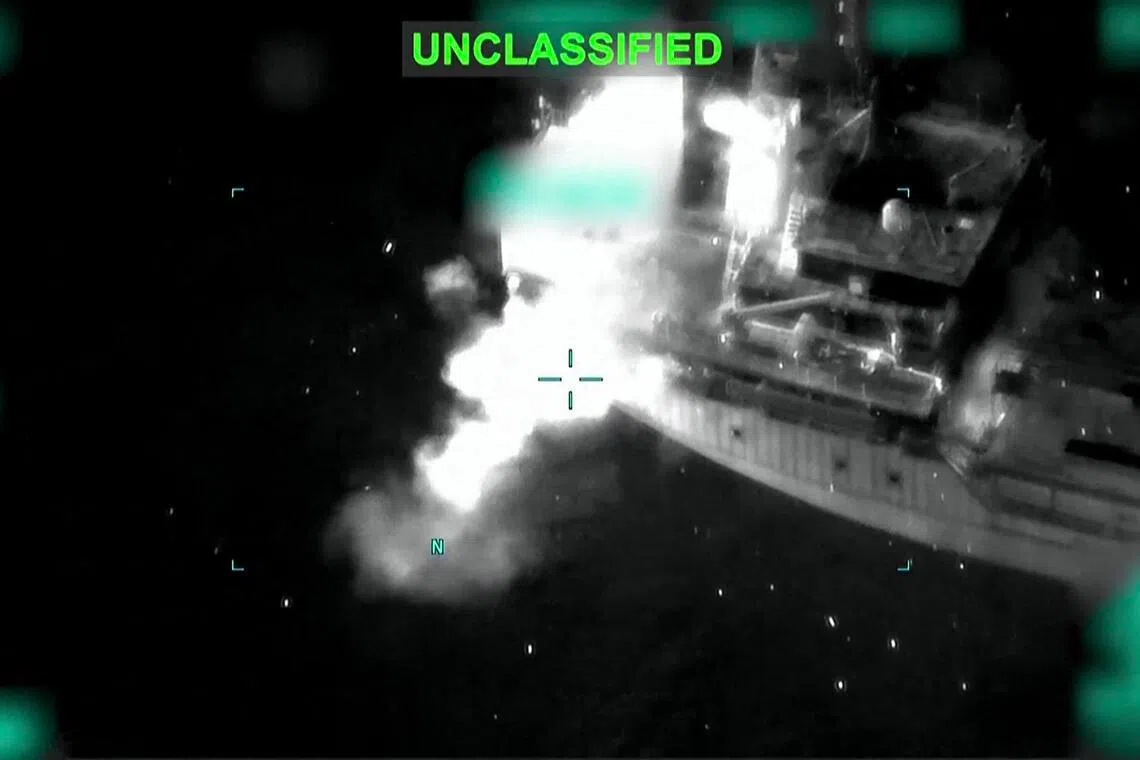
- S. Jaishankar phoned Secretary of State Marco Rubio on June 12 to register a "strong protest" over the June 9 U.S. strikes that killed three Indian seafarers aboard the Palau-flagged tanker Settebello, which the U.S. said "violated the ongoing blockade" on Iranian-linked shipping.
- Marco Rubio responded without apology, asserting U.S. forces "will continue to take all necessary measures to enforce maritime security" and making no commitment to adjust rules of engagement or assure India such an incident wouldn't recur.
- The Iran war delivered immediate economic damage to India, which imports 89% of its oil: crude price spikes fueled domestic inflation, Strait of Hormuz disruptions created fertilizer and cooking gas deficits, the rupee became Asia's worst-performing currency, and foreign investors withdrew record capital — knocking India from third to sixth-largest economy.
- Prime Minister Modi absorbed direct political cost from the conflict, as the strikes exposed India's inability to protect its own citizens or secure its maritime neighborhood, undermining his brand of India as a rising global power.
- Pakistan emerged as a diplomatic winner: PM Shehbaz Sharif was the first to announce the preliminary peace deal on June 14, having served as a discreet U.S. backchannel to Tehran, reversing India's decade-long effort to isolate Islamabad.
- Rubio's May visit to India produced a $500 billion, five-year U.S. purchasing demand that New Delhi met with "calculated silence"; the trip yielded only one formal agreement on critical minerals.
- The Quad was visibly downgraded: the grouping hosted only a foreign ministers' meeting during Rubio's trip, and on June 16 the U.S. Defense Department reverted the combatant command name from "Indo-Pacific Command" back to "Pacific Command."
- India has begun extending concessions to China, instructing domestic filmmakers to stop producing content about the 2020 Galwan Valley clash and having the outgoing chief of defense staff grant Beijing a pass for its real-time operational support to Pakistan.
Why it matters: India's 89% oil import dependency translated the Iran war into the worst-performing Asian currency, record capital flight, and a drop from the world's third- to sixth-largest economy, while Washington showed no urgency to repair the damage — leaving Pakistan, not India, as the diplomatic broker of the peace deal and pushing New Delhi to make quiet concessions to China.
Ask SkimNews