India Foreign Minister calls Rubio over Gulf ship attacks — SkimNews
Get the Geopolitics newsletter
Daily geopolitics — wars, elections, sanctions, the diplomatic moves that move markets. Free.
- Jaishankar called US Secretary of State Marco Rubio on the evening of June 13, delivering India's "strong protest" at US Navy attacks in the Gulf that killed three Indian mariners and calling the lethal actions "not justified."
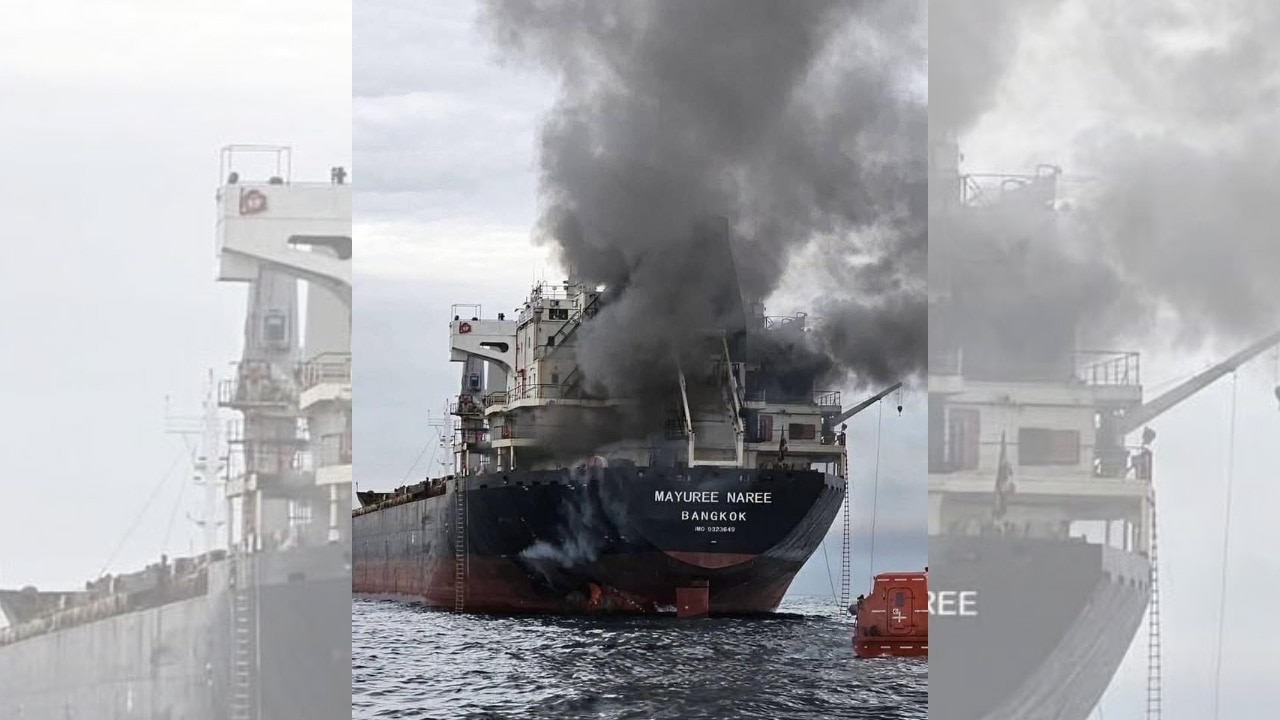
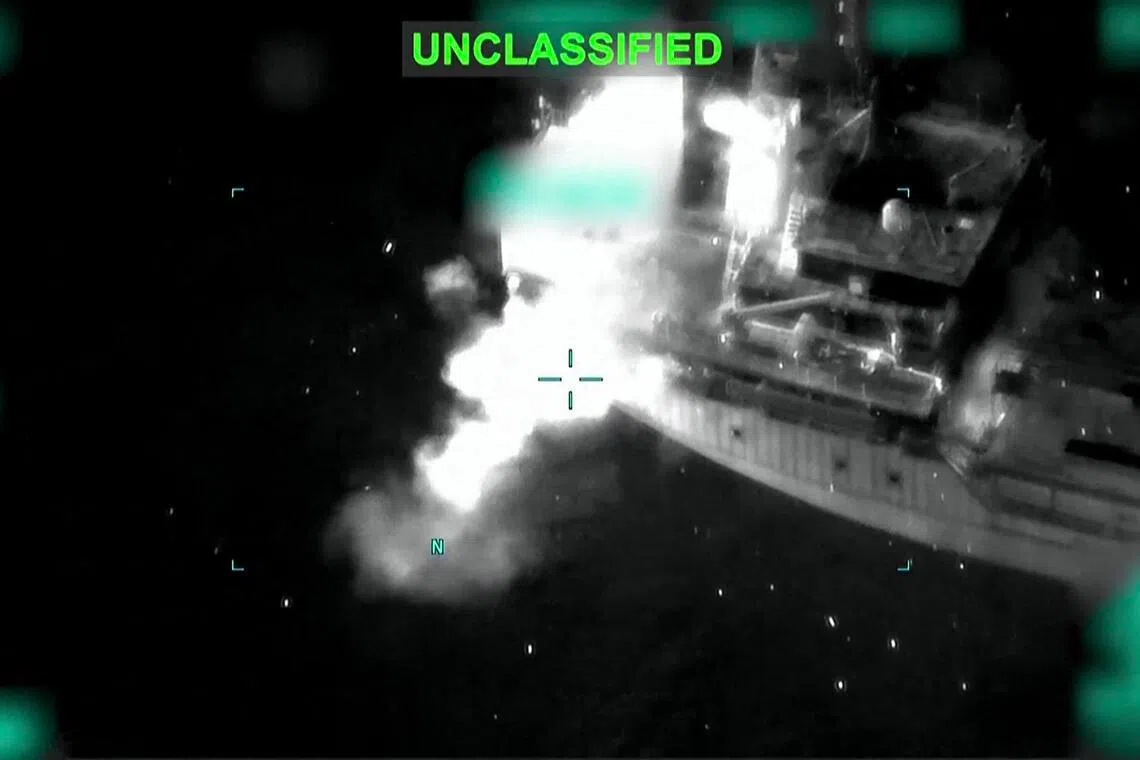
- Three Indian sailors were killed on June 10 in a US strike on the Palau-flagged tanker MT Settebello off Oman's coast, following a June 8 strike on MT Marivex (from which Oman airlifted 24 Indian sailors) and a June 11 strike on a Guinea-Bissau-flagged tanker whose 20 Indian crew members were rescued.
- US Deputy Chief of Mission Jason Meeks was summoned twice in New Delhi over two days to hear India's protest; the State Department said it was in "direct contact" with India but did not immediately comment on the Jaishankar-Rubio call.
- India's shipping ministry called on June 11 for sailors on Indian and foreign-flagged vessels transiting conflict waters to "exercise the highest degree of caution," noting India supplies more than 320,000 active seafarers in 2025 — one of the world's largest pools of merchant mariners.
- India's navy carried out a "high-risk operation" to extract an unexploded missile warhead from the Marshall Islands-flagged MT Olympic Life, struck off Oman on May 26 and towed to Kochi, with the projectile having penetrated the hull, traversed multiple compartments, and lodged inside a fuel tank.
Why it matters: India supplies more than 320,000 of the world's merchant seafarers, so the killing of three nationals across three separate US strikes strikes a constituency New Delhi cannot ignore — and the escalation from summoning a deputy chief of mission twice to a direct foreign-minister-to-secretary-of-state call shows India moving past routine demarches. Cross-coverage indicates Rubio responded that ships violating the US blockade in Hormuz "won't be tolerated," suggesting the two sides have not bridged the underlying disagreement over the legality of targeting commercial vessels.
Ask SkimNews