U.S. attacks Indian‑crewed ship, three seafarers killed — SkimNews

Get the Geopolitics newsletter
Daily geopolitics — wars, elections, sanctions, the diplomatic moves that move markets. Free.
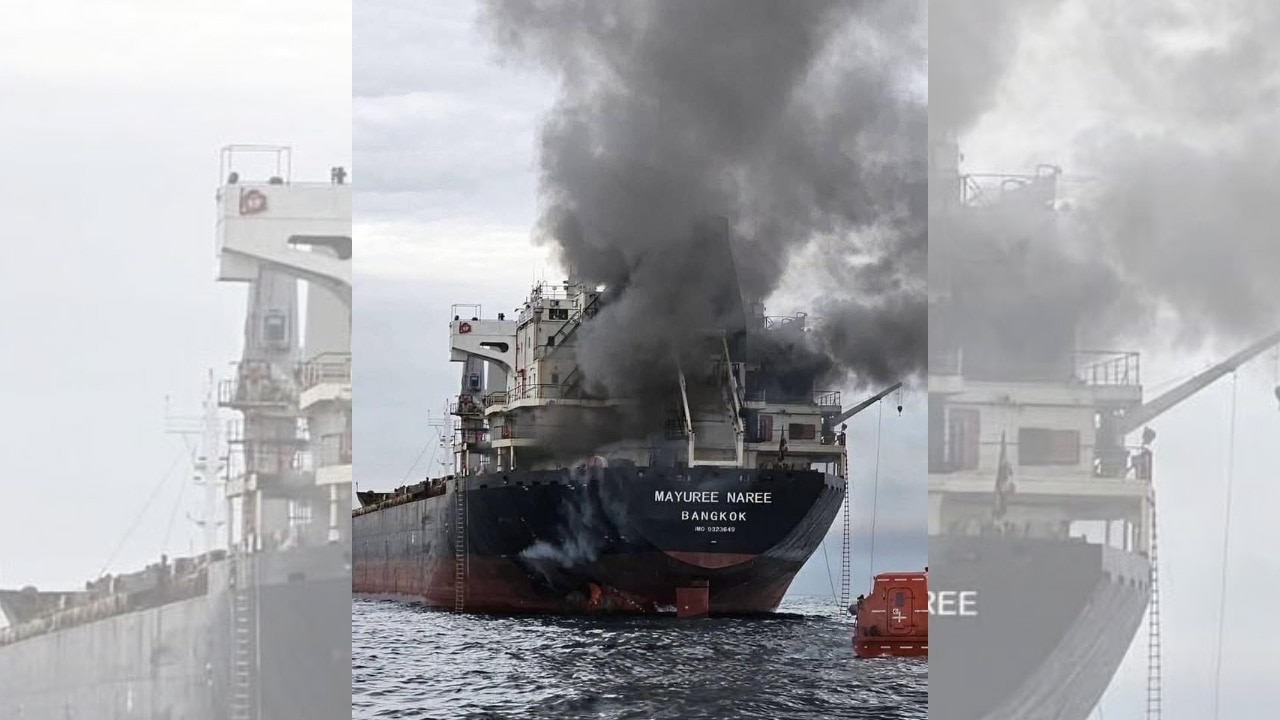
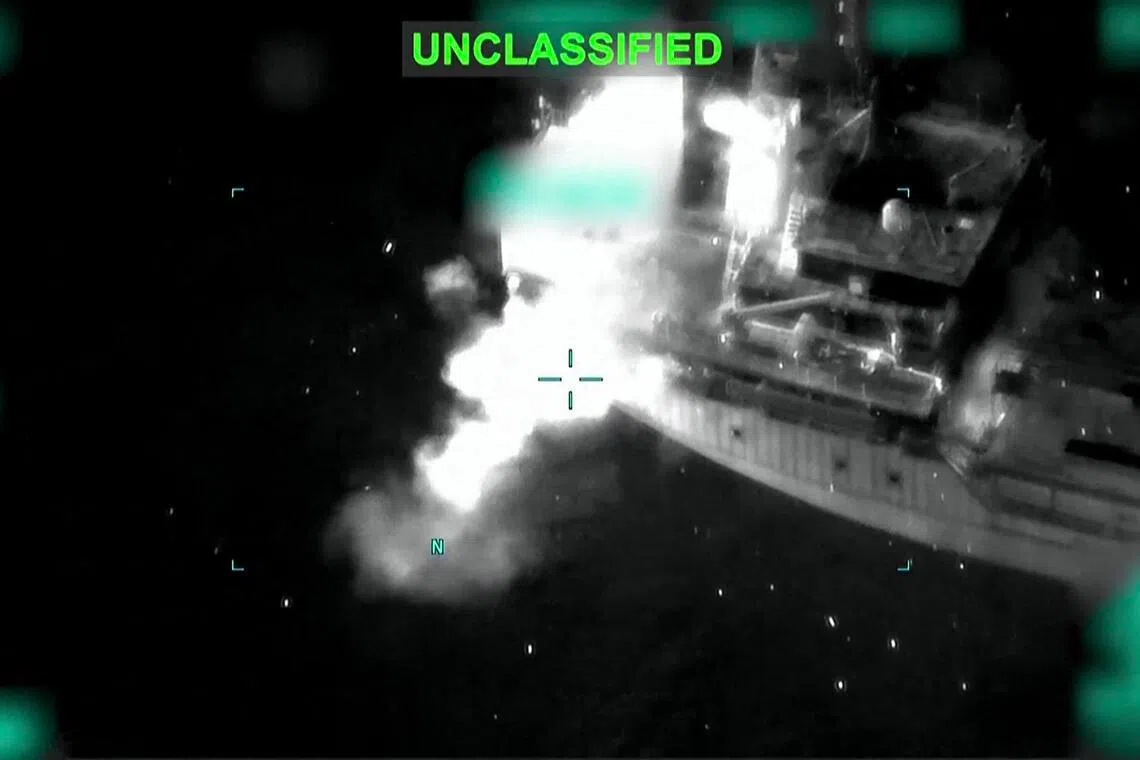
- U.S. forces fired two Hellfire missiles into the engine room of the Guinea‑Bissau‑flagged bitumen carrier Jalveer on June 11, 2026, after the crew repeatedly failed to comply with U.S. directions, claiming the vessel was attempting to transport Iranian oil.
- Jalveer carried 20 Indian seafarers, who were reported safe and began evacuation to Shinas port, according to Mukesh Mangal, Additional Secretary of the Ports, Shipping and Waterways Ministry.
- Indian External Affairs Ministry summoned U.S. Chargé d’affaires Jason Meeks on June 10 and lodged a strong protest, describing the strikes as “deeply worrisome” and linking them to the U.S.–Israel–Iran conflict.
- U.S. aircraft also struck Palau‑flagged tankers Marivex and Settebello earlier that week; three Indian seafarers on Settebello died, a loss confirmed on June 11.
- Directorate General of Shipping had issued a mid‑February advisory warning against deploying Indian seafarers on ships calling at Iranian ports, yet the crews on the three attacked vessels had joined before the advisory.
- Congress condemned the attacks, stating Prime Minister Narendra Modi cannot evade responsibility when the relationship fails to protect Indian lives and interests.
- CPI(M) called the strikes illegal U.S. attacks and demanded a strong condemnation and full accountability, urging pressure on the U.S. to stop attacks and withdraw the blockade near the Strait of Hormuz.
Why it matters: The strikes endanger Indian seafarers and expose them to lethal risk, while India’s diplomatic protest highlights escalating tensions with the United States over maritime enforcement of sanctions against Iranian oil, potentially straining bilateral ties, affecting Indian shipping firms, and the broader regional security environment.
Ask SkimNews