3 missile deaths, SOSs, rotting body: Indian seafarers bear Gulf conflict's cost — SkimNews
Get the Geopolitics newsletter
Daily geopolitics — wars, elections, sanctions, the diplomatic moves that move markets. Free.
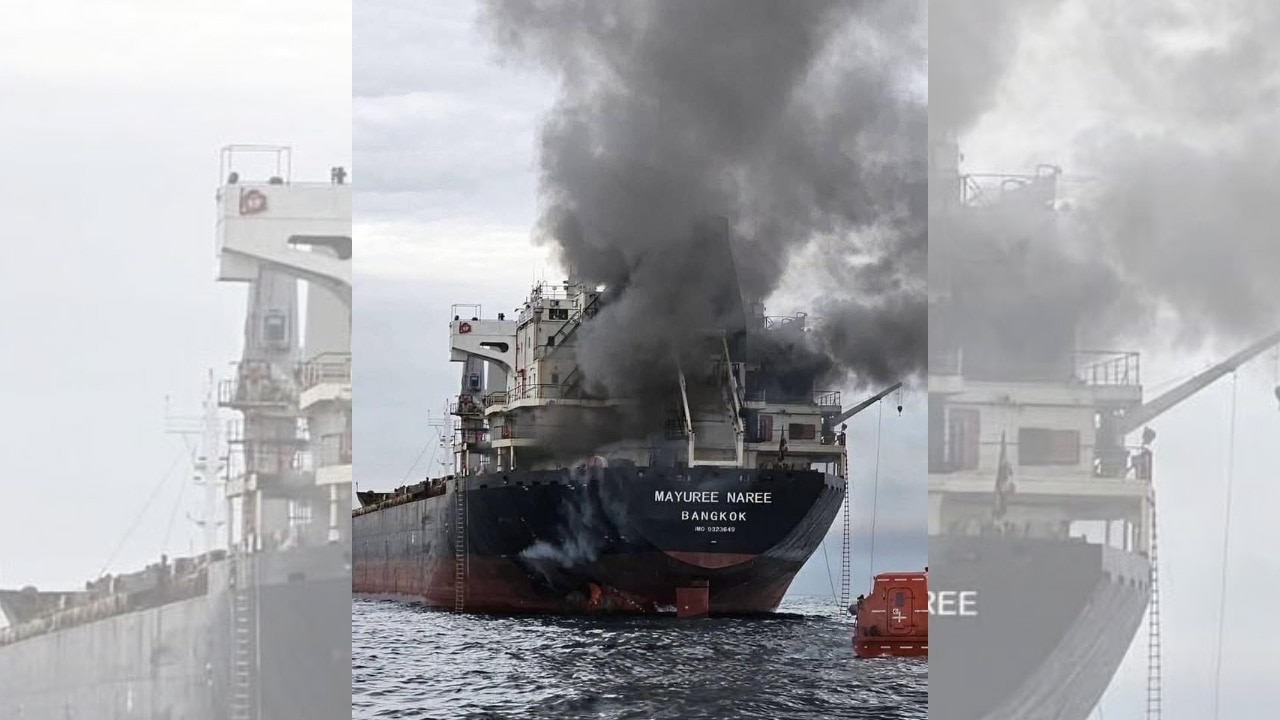
- US Navy attacks on three Indian-crewed vessels — Marivex, Settebello, and Jalveer — on June 8, 10, and 11 near the Strait of Hormuz killed three Indians aboard Settebello (a chief engineer, engine fitter, and deck cadet), with Settebello struck by Hellfire missiles.
- IOS Marine FZE, operator of Settebello, publicly contradicted CENTCOM's claim that the vessel violated a blockade, stating the ship had been stationary for 10 days, received no communication from the US Navy, and had no links to Iranian oil or ports.
- Second Officer Nishanth Uirthanathan died of medical complications aboard MT Celestial on June 11 after falling ill on June 8, with his body decomposing for nearly three days off Oman's coast after SOS calls sent to the US Navy on June 10 and 11 reportedly went unanswered.
- MT Celestial's crew placed cold water bottles over Uirthanathan's plastic-wrapped body to slow decomposition after neither the shipping company nor Duqm Port in Oman could arrange timely evacuation; his body was finally lowered by crane on June 14.
- External Affairs Minister S. Jaishankar raised the attacks with Secretary of State Marco Rubio, who said illegal transport through the strait would not be tolerated, while President Trump alleged Iran was behind the strikes — claims India has not endorsed.
- All 20 Indian crew aboard MT Jalveer were eventually rescued despite massive engine room fires, while Marivex was targeted 400 nautical miles from the Strait of Hormuz.
Why it matters: India condemned the strikes and Rubio told Jaishankar illegal transport 'would not be tolerated' — yet Settebello's operator publicly contradicted CENTCOM's blockade claim, saying the ship was stationary for 10 days with no US warning. The disputed justification risks straining US-India ties while highlighting the human cost borne by Indian merchant mariners who crew a significant share of global shipping.
Ask SkimNews