U.S. strikes kill Indian sailors in Hormuz — SkimNews

Get the Geopolitics newsletter
Daily geopolitics — wars, elections, sanctions, the diplomatic moves that move markets. Free.
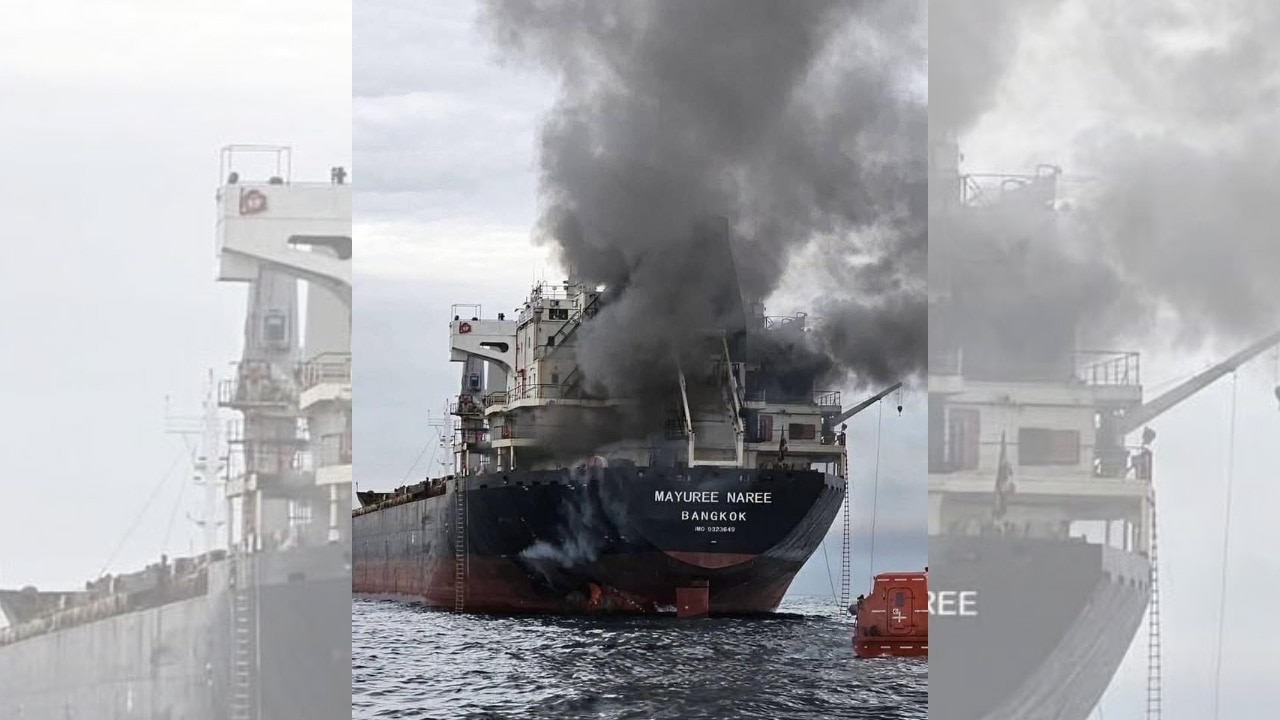
- United States military struck three commercial vessels in the Strait of Hormuz within four days, including the Palau‑flagged Marivex, Settebello and MT Jalveer, resulting in the death of three Indian sailors.
- Indian government summoned senior US diplomat Jason Meeks in New Delhi and shipping minister Sarbananda Sonowal demanded explanation, labeling the attacks a serious concern.
- U.S. Central Command (CENTCOM) confirmed that an F‑18 Super Hornet from USS Abraham Lincoln fired a precision munition into the Marivex’s engineering spaces and later disabled a third tanker for violating the Iran blockade.
- Iran's foreign ministry spokesperson Esmail Baghaei condemned the strikes as “brutal US attacks” and accused the United States of “armed robbery and state piracy,” calling for accountability.
- International Maritime Organization Secretary General Arsenio Dominguez condemned any act endangering seafarers, calling the attacks “unacceptable.”
- Professor Jason Chuah noted that targeting neutral, non‑combatant ships violates international law and creates diplomatic headaches, questioning the legality of the US blockade enforcement.
- India’s Directorate General of Shipping oversees the Merchant Shipping Act 1958, which provides a grievance framework for the roughly 300,000 Indian seafarers affected by the conflict.
Why it matters: Indian sailors and their families lose lives and face heightened risk, while the United States seeks to enforce its blockade, risking diplomatic fallout with India and violating international maritime law, which erodes the fragile ceasefire and strains U.S.–India bilateral ties.
Ask SkimNews