Lanmaoa asiatica Triggers Tiny Human Hallucinations — SkimNews
Get the Health newsletter
Daily health & science — research, biotech, public health, the studies worth knowing. Free.
- University of Utah researchers used DNA sequencing and field interviews in Yunnan and the northern Philippines to identify the local “Jian shou qing” and “Sedesdem” mushrooms as Lanmaoa asiatica, expanding the species’ documented range beyond China.
- Lanmaoa asiatica yielded no detectable psilocybin or other known psychoactive mushroom compounds during chemical and genetic testing, leaving the active hallucinogenic agent unidentified.
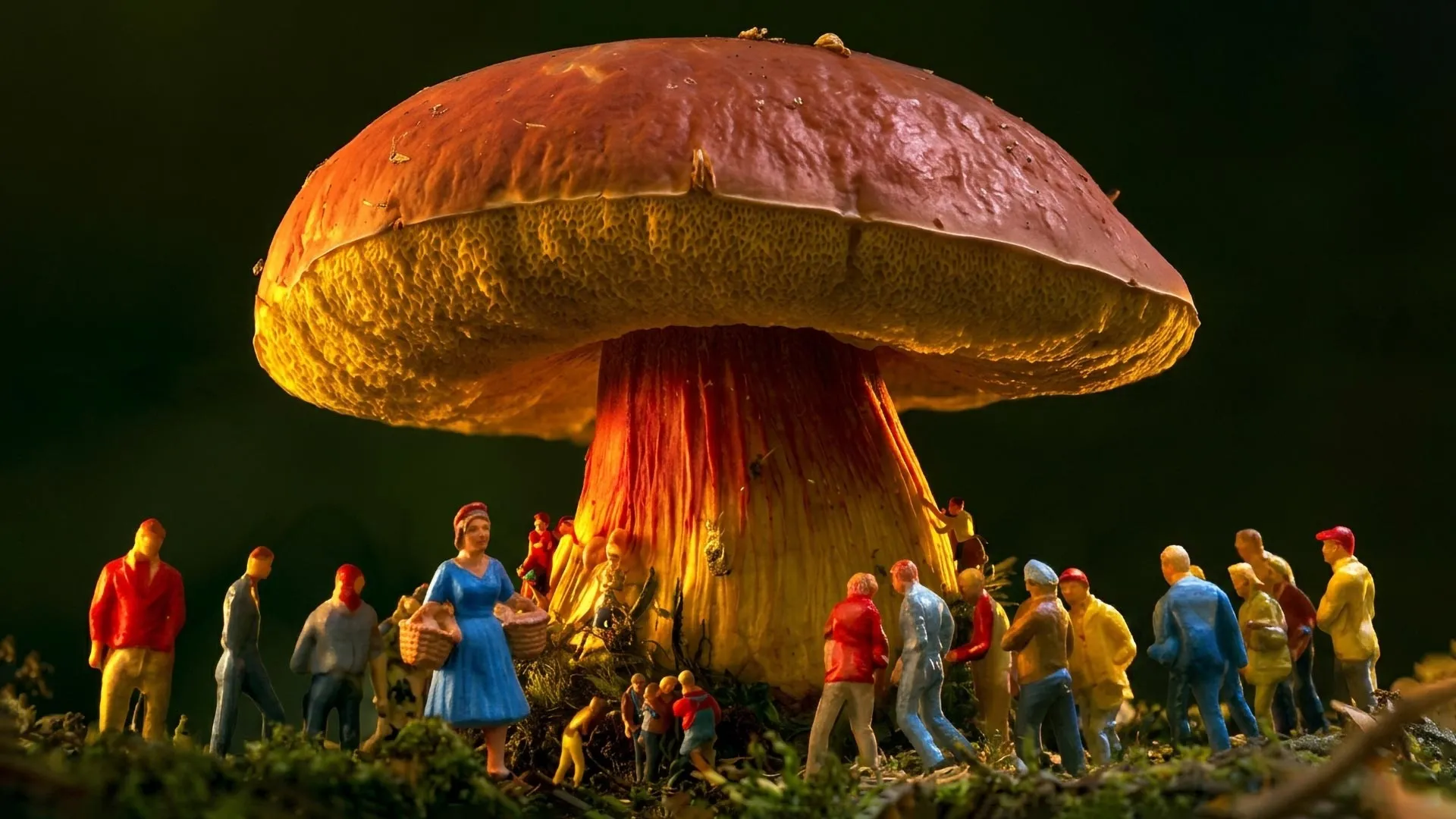
- Lilliputian hallucinations associated with the mushroom feature dozens or hundreds of figures measuring 3–30 centimeters; about 90% resemble elves, clowns or other brightly dressed fairy-like characters that navigate objects as if physically real.
- Lanmaoa asiatica research connects three geographically separated cultural accounts of miniature people, but DNA confirmation covers only China and the Philippines after dry weather prevented sampling in Papua New Guinea.
- University of Utah researchers analyzed 53 Lanmaoa specimens and identified 17 species, including four previously unknown species, two of which had already been preserved unidentified in U.S. collections.
- Colin Domnauer and Bryn Dentinger published their findings in Mycologia, with isolation of the suspected psychoactive compound and determination of its neurological mechanism as the team’s next major objective.
Why it matters: Researchers have linked two of three cultural accounts to Lanmaoa asiatica, while the active compound and neurological mechanism remain unknown. The study’s stated payoff is a consistent trigger for investigating unusually detailed visual experiences and improving understanding of hallucinations linked to dementia, macular degeneration and alcohol withdrawal.
Ask SkimNews