New self-loading tech for bulk cargo vessels cuts freight emissions in HALF — SkimNews
Get the Energy newsletter
Daily energy & climate — solar, EVs, oil, the policy fights and tech bets shaping the transition. Free.
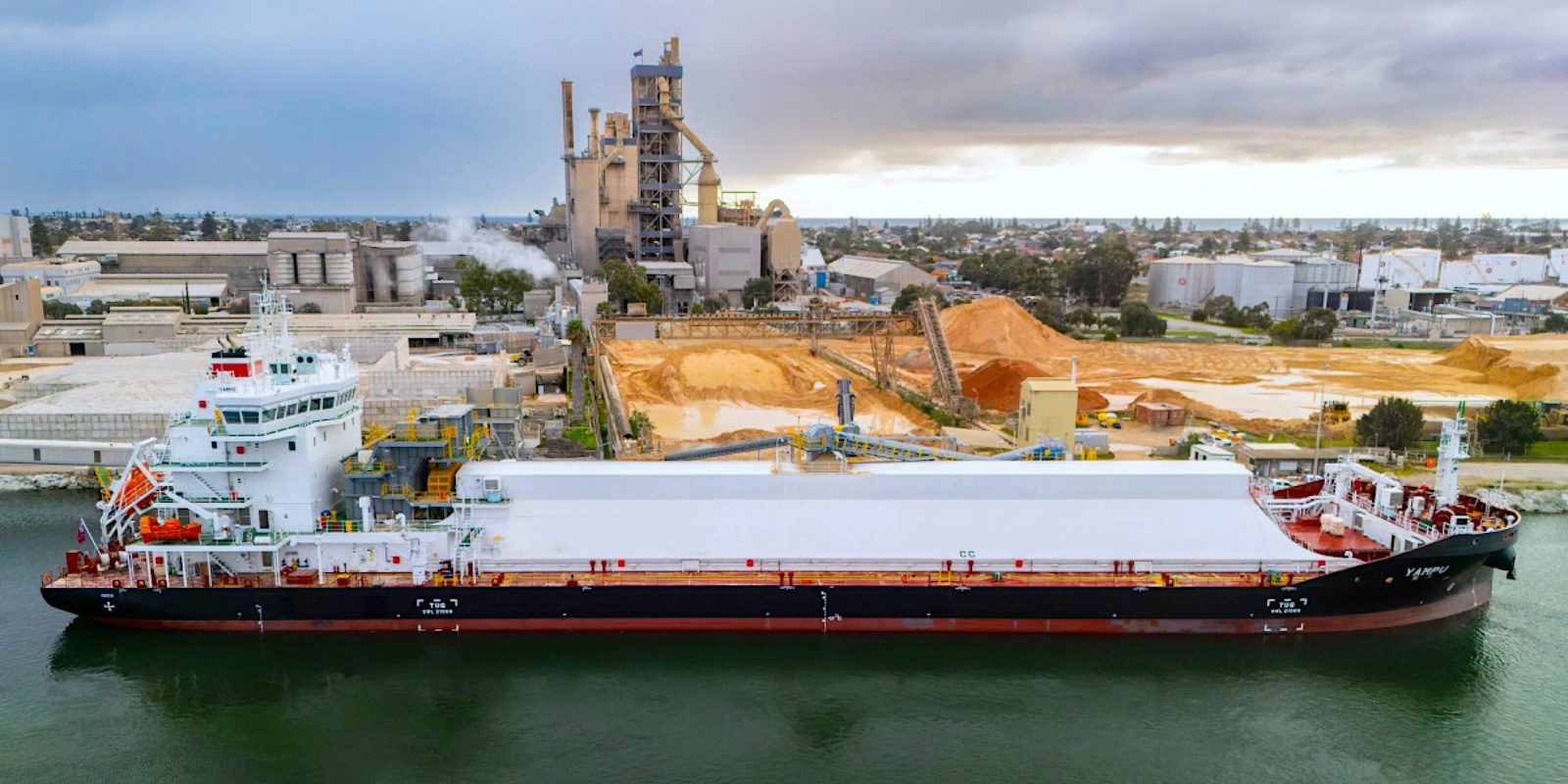
- MV Yampu is a 125-meter self-loading bulk carrier built by CSL Group for Adbri, powered by a diesel-electric drive backed by a 131-ton, 6,758 kWh Wärtsilä marine battery capable of over 600 kW output.
- The vessel ferries 2.7 million tonnes of limestone annually across 42 miles of Gulf St. Vincent between Klein Point quarry and Adbri's Birkenhead cement plant, replacing an older ship and reducing fuel use 25% and Scope 1 emissions over 40%.
- Each voyage replaces what would otherwise be a 300-mile diesel truck round trip.
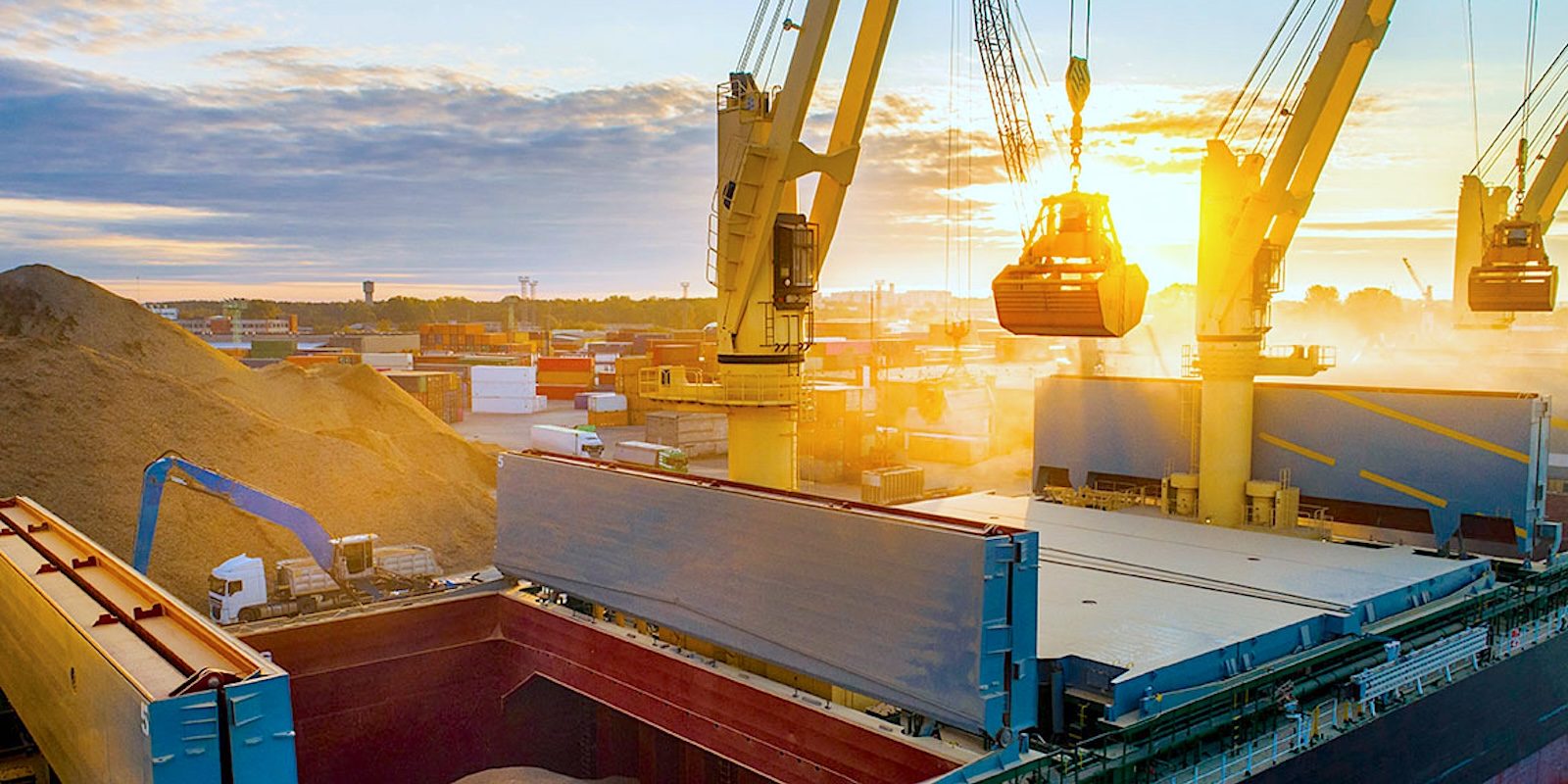
- The same battery-electric system that drives the ship also powers its self-loading and unloading equipment, eliminating the need for diesel generators or shore-based mobile conveyors during cargo handling, with electric-only propulsion available for up to 40% of the journey.
- CSL CEO Louis Martel called the vessel a practical decarbonization step that meets commercial demands, while Adbri CEO Paul Headd said the limestone it carries supports lower-carbon cement production for South Australia and Victoria.
- Operators are targeting a tentative 2031 timeline for fully electric bulk vessels, contingent on shore-charging infrastructure and denser batteries becoming available.
Why it matters: Adbri locks in a 40%-plus Scope 1 emissions cut on a mission-critical 2.7-million-tonne annual limestone run without disrupting cement supply to South Australia and Victoria — and CSL's battery-electric self-loading model gives other bulk operators a working template for tackling cargo-handling emissions, the segment's hardest decarbonization nut.
Ask SkimNews