Five-a-Day Falls Short on Heart-Protecting Flavanols — SkimNews
Get the Health newsletter
Daily health & science — research, biotech, public health, the studies worth knowing. Free.
- University of Reading researchers, alongside Harvard Medical School, UC Davis, and Mars, Inc., analyzed dietary biomarkers from over 30,000 people in the UK and US, finding fewer than 20% reach flavanol intake levels associated with reduced heart disease mortality.
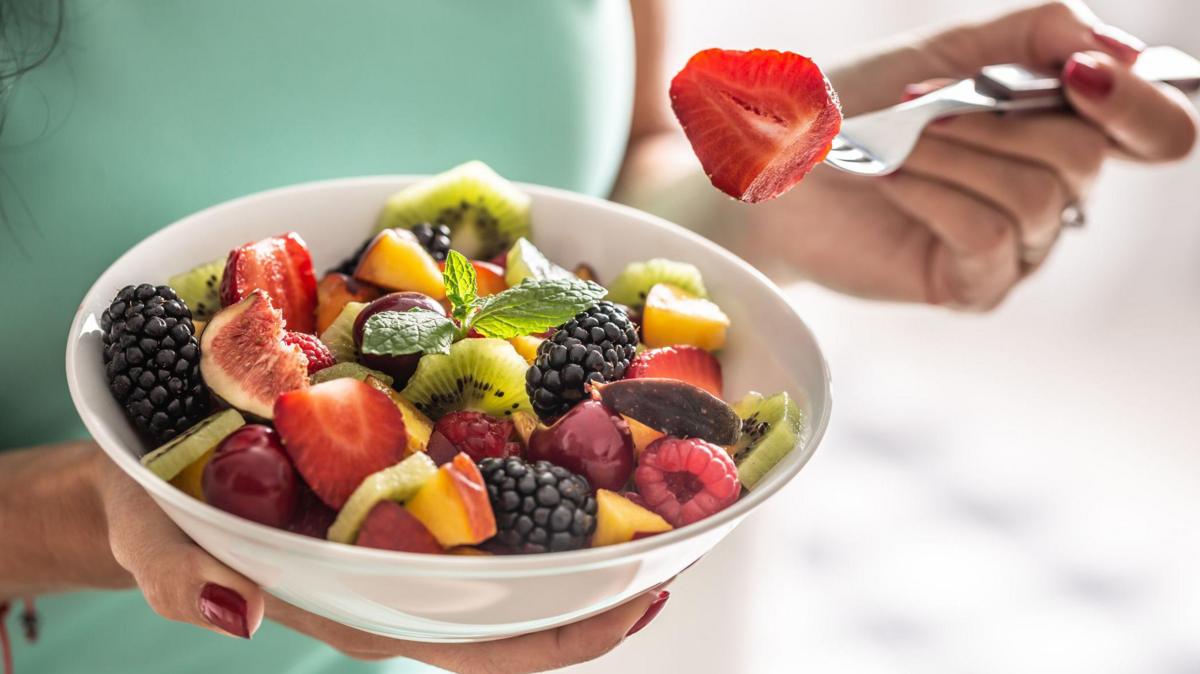
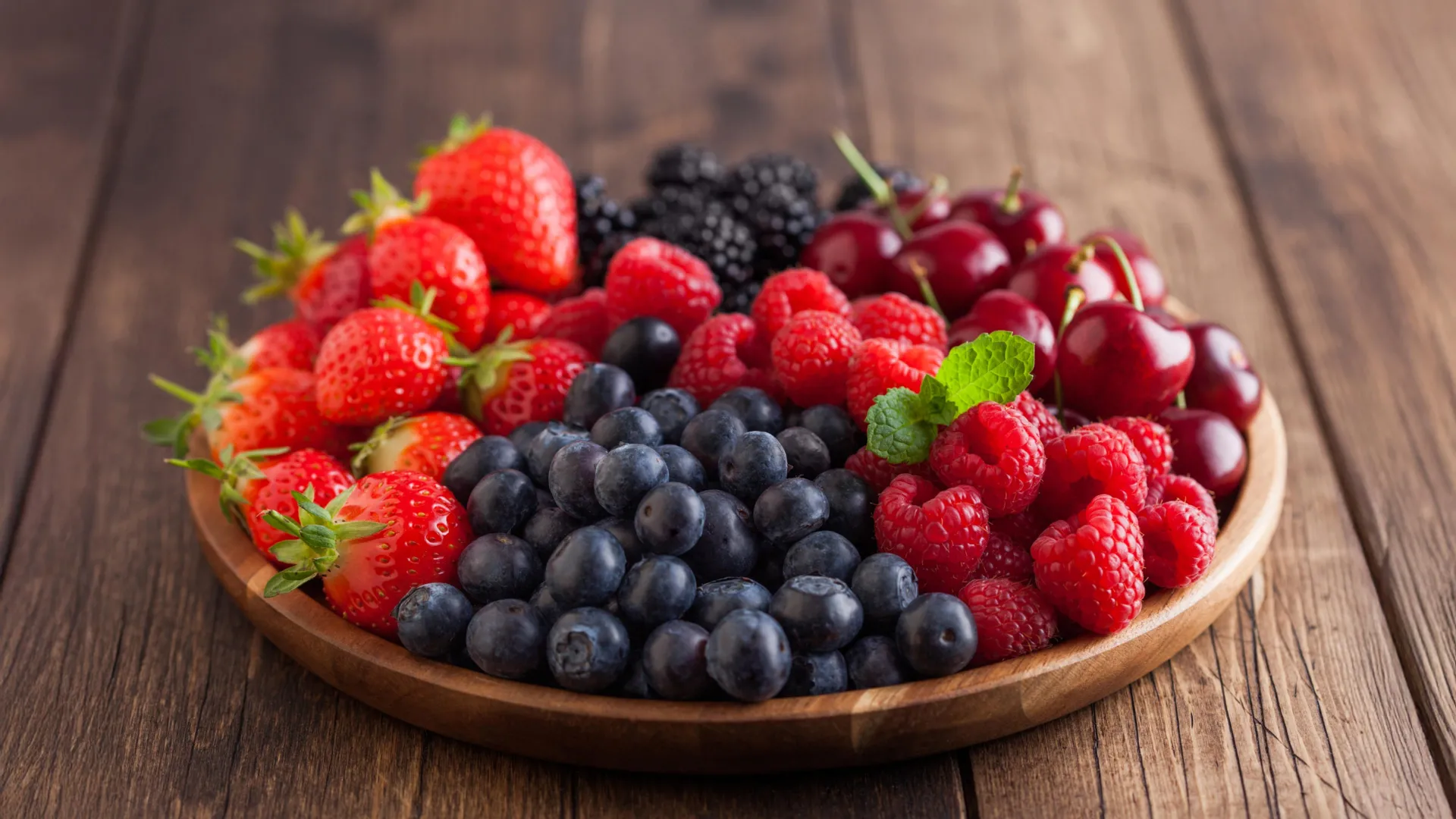
- Dr. Javier Ottaviani, the study's lead author, said specific food choices matter more than total quantity, noting that a handful of blackberries, a whole apple, or a cup of green tea can meaningfully boost flavanol intake beyond what generic five-a-day servings provide.
- The COSMOS clinical trial previously found 500mg of daily flavanols significantly lowered risk of death from heart disease, yet the new study shows most people remain well below that threshold even when following standard guidelines like the NHS Eatwell Guide.
- Plums topped the flavanol density list at roughly 450mg per 500g serving, followed by cranberries (~300mg per 250g), blackberries (~250mg per 200g), and green tea (~200mg per 250ml cup), with broad beans, cherries, and skin-on apples rounding out the richest sources.
- Professor Gunter Kuhnle of the University of Reading suggested current dietary recommendations may need to specify which five fruits and vegetables to eat, since different produce offers vastly different levels of beneficial compounds beyond standard vitamins and minerals.
- The study, published June 8, 2026 in the journal Food and Function, used biomarker measurements rather than self-reported diet logs, lending objective weight to the claim that even health-conscious eaters commonly under-consume flavanols.
Why it matters: If dietary guidelines shift toward flavanol-specific recommendations, the roughly 80% of adults under-consuming these compounds would gain a concrete, food-level lever to cut cardiovascular mortality risk, and retailers and growers of high-flavanol produce like plums, blackberries, and green tea could see category-level demand rise from a public-health messaging change rather than a new drug.
Ask SkimNews