Bitcoin bulls Michael Saylor, Adam Back slam BIP-110 Ordinals proposal — SkimNews

SkimNews Take
Two of Bitcoin's most visible holders publicly opposing BIP-110 illustrates how economically-aligned stakeholders can function as informal gatekeepers, transforming a technical proposal about data limits into a broader contest over protocol direction.
Get the Finance newsletter
Daily finance — markets, central banks, M&A, the prints that move money. Free.
- BIP-110 was introduced by pseudonymous developer "Dathon Ohm" with support from Ocean protocol founder Luke Dashjr, requiring 55% of Bitcoin nodes to signal support across a block period for activation.
- In the most recent signaling period (period 475, blocks 955,584–957,599), only 1% of blocks were BIP-110-supportive — far short of the 55% threshold.
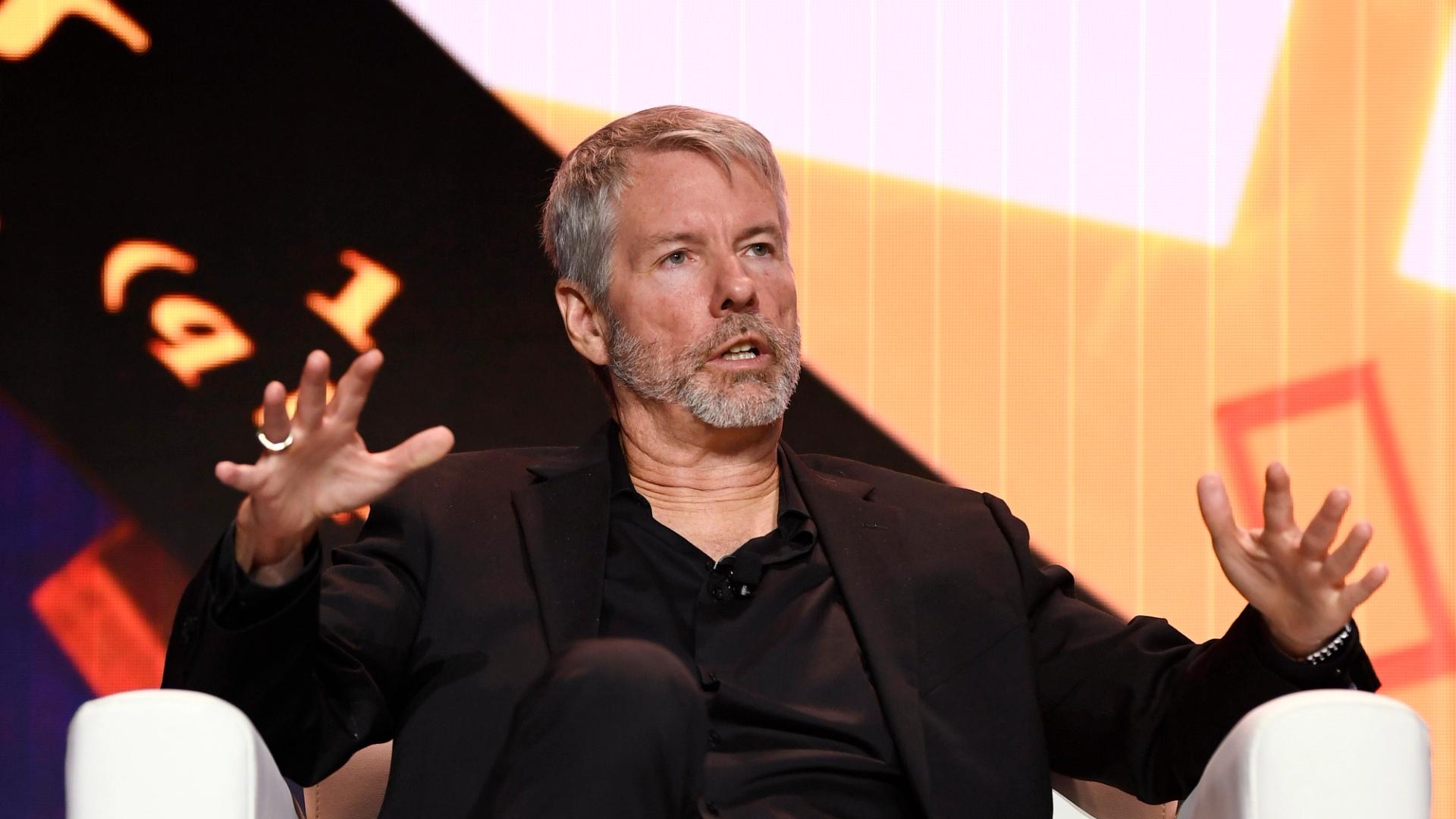
- Michael Saylor and Adam Back have publicly criticized the proposal, framing it as incompatible with Bitcoin's permissionless, censorship-resistant ethos.
- Adam Back described BIP-110 as a "quest to police other people," arguing Bitcoin's decentralization means "you can't impose your views on others."
- BIP-110 proponents, including Dashjr, call Ordinals-driven bloat a "serious threat" to the network and argue the proposal wouldn't cause a chain split, imposing only a temporary one-year limit.
- Ordinals inscriptions have fallen to fewer than 10,000 daily over the last month, down from a peak of more than 400,000 in August 2023.
- The dispute is one of the most notable protocol-level governance fights since the Blocksize Wars of 2015–2017, when ecosystem participants debated risking a chain split over the block size limit.
Why it matters: With only 1% of blocks currently signaling support against the 55% activation threshold, BIP-110 is nowhere near passing — but two of Bitcoin's most prominent advocates are publicly drawing a philosophical line against any protocol-level fix for Ordinals bloat, framing it as a violation of Bitcoin's cypherpunk ethos of permissionless money.
Ask SkimNews