Japan's First Level-5 Warning Caps Climate Extremes Week — SkimNews

Get the Energy newsletter
Daily energy & climate — solar, EVs, oil, the policy fights and tech bets shaping the transition. Free.
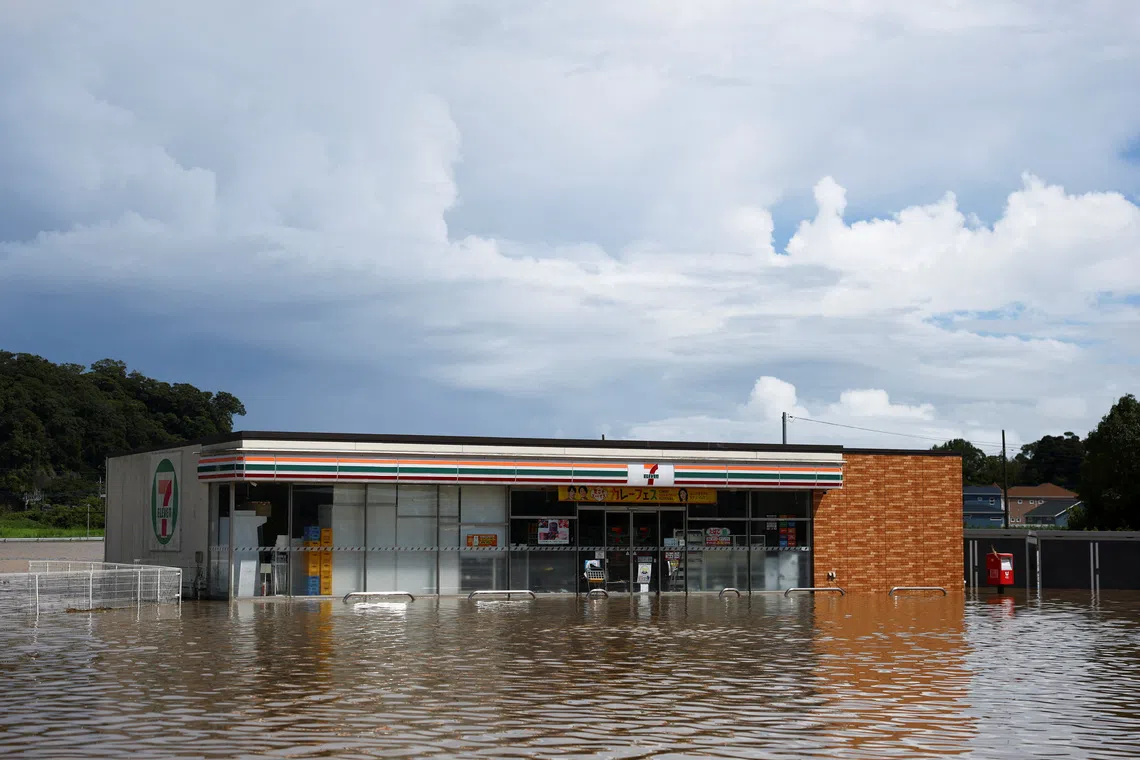
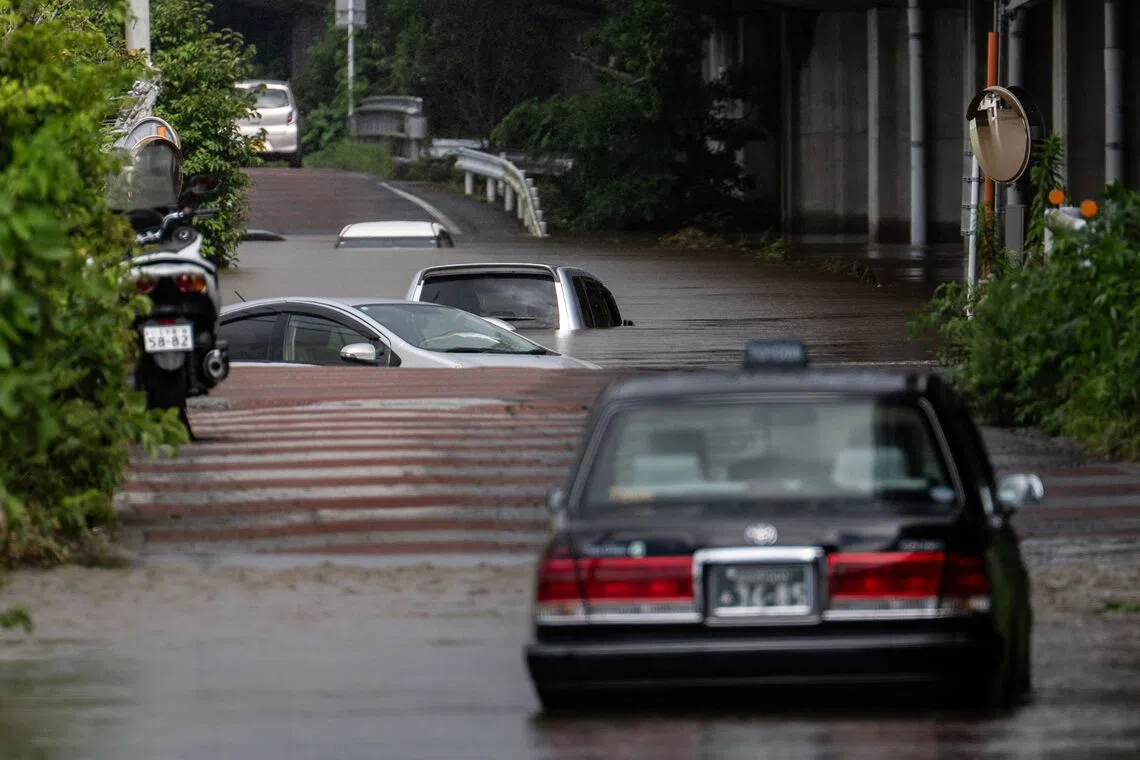
- Japan Meteorological Agency issued its first-ever level-5 rain warning for Chiba after 115mm fell in an hour, killing five and stranding 7,000 at Narita.link ›
- AEMET confirmed Spain's July was joint-hottest and driest on record with 4.3mm of rain — 26% of average — as 460,000 eclipse tourists raised wildfire fears.link ›
- Martin Lines, James Smith, and Chris Jones are pivoting UK farms to beaver-maintained reservoirs, 4-million-litre lagoons, and legumes after the driest July in 190 years.link ›
- Andy Burnham's 10-point plan would reject Rosebank drilling and hike windfall tax on oil majors after their $93bn quarterly haul — nearly double last year.link ›
- Andrew Ingram's Berkshire heat pump cooled his living room from 35°C to 21°C; Prof Lubo Jankovic at Salford warns dual-use heating-cooling design hasn't been solved.link ›
- A peer-reviewed study finds AI could boost oil and gas production emissions beyond its renewable-energy gains, undercutting tech-sector climate claims.link ›
- BBC forecaster Tomasz Schafernaker abandoned neutrality, calling conditions 'excruciatingly hot' as British weather chat splinters into climate culture war.link ›
Japan's Meteorological Agency issued its first-ever level-5 heavy rain warning for Chiba prefecture after 115mm fell in a single hour — roughly a month's worth — killing five and stranding 7,000 passengers overnight at Narita Airport. Governor Toshihito Kumagai called the disaster 'extremely unusual.' The alert landed in a week of cascading climate extremes: AEMET confirmed Spain's July was joint-hottest and driest on record at just 4.3mm of rain, and the UK logged its driest July in 190 years, forcing Greater Manchester's Andy Burnham to unveil a 10-point plan rejecting Rosebank drilling and hiking windfall taxes on oil majors' $93bn quarterly profits. Adaptation, not planning, is the operating mode.
The stories behind this week
Study: AI Could Boost Oil, Gas EmissionsThe study positions AI as a double-edged climate force: its authors argue AI-boosted fossil fuel production generates emissions exceeding the technology's renewable-energy gains — directly undermining tech-sector claims of AI as a clean-energy tool.

UK farmers turn to beavers, legumes and ponds to beat droughtWith the UK experiencing its driest July in 190 years and crops failing due to heat and drought, these on-farm adaptations directly affect national food production and water policy. The shift toward nature-based solutions and crop diversification reflects a material pivot in agricultural practice—driven by immediate climate pressures, not long-term planning—making resilience a farm-by-farm imperative.

Burnham's 10 Climate Fixes: Reject Rosebank, Tax Big OilFor Andy Burnham's Greater Manchester government, this agenda shifts climate adaptation from decade-long planning to immediate action addressing summer 2026's record deaths. A windfall tax on oil companies' $93bn quarterly profits would fund urgent measures like workplace temperature caps and cool community spaces that directly protect workers and vulnerable residents.

Spain Warns Eclipse Crowds Could Spark WildfiresThe convergence of extreme climate conditions, mass tourism, and human error creates a high-stakes emergency scenario: one spark could ignite a wildfire that overwhelms rural infrastructure, while unsafe viewing risks widespread eye damage despite public warnings and free protective gear distribution.

Desperate Fox Attacks Pet Hens in Rare Daylight RaidThe piece reframes a routine 'urban fox' scare by portraying a visibly emaciated animal driven into daylight by a heatwave-hardened summer — a small but telling example of how drought conditions push wildlife into abnormal behavior in residential gardens, blurring the line between predator threat and shared climate stress.

‘Unprecedented’ rain kills five in Japan as thousands stranded at airportThe level-5 warning—a first for Chiba—signals a shift in Japan’s disaster response thresholds, as climate-driven rainfall now exceeds historical norms. With 45,000 homes without power and critical infrastructure like Narita Airport paralyzed, the event underscores the growing vulnerability of densely populated regions to sudden, extreme weather.

Britain's Weather Chat Splinters Into Climate Culture WarBritain's weather culture was a rare unifier across political, regional and class lines; its collapse along climate-culture-war lines means a once-neutral shared reference point now carries political charge, and the Met Office's potential red "extreme heat warning" lands precisely as opposition to net-zero policy has migrated from fringe denial into mainstream conservative and right-wing media.

Heat Pumps Cool UK Homes From 35°C to 21°CHeat pumps were pitched as a winter heating play; this summer revealed they double as AC, giving homeowners who already paid the £12,000+ sticker a year-round return — but the Which? warning, Jankovic's caveat, and CCC's 92%-by-2050 projection show the UK is rolling out a cooling solution without standard designs for it, leaving renters and lower-income households reliant on passive measures.
Why it matters: Japan's first-ever level-5 rain warning for Chiba marks disaster-response thresholds being redrawn in real time — the 115mm-per-hour deluge overwhelmed infrastructure built for a different climate, and the question is which country hits the same ceiling next.
Ask SkimNews