US curtails intel sharing with South Korea over nuclear — SkimNews
Get the Geopolitics newsletter
Daily geopolitics — wars, elections, sanctions, the diplomatic moves that move markets. Free.
- United States imposed partial restrictions on sharing satellite‑gathered intelligence about North Korean technology with South Korea in early March, while missile surveillance and military readiness continued unchanged.
- Chung Dong‑young told lawmakers that North Korea operates uranium enrichment facilities in Kusong, citing a publicly available 2016 Institute for Science and International Security report and prior media coverage.
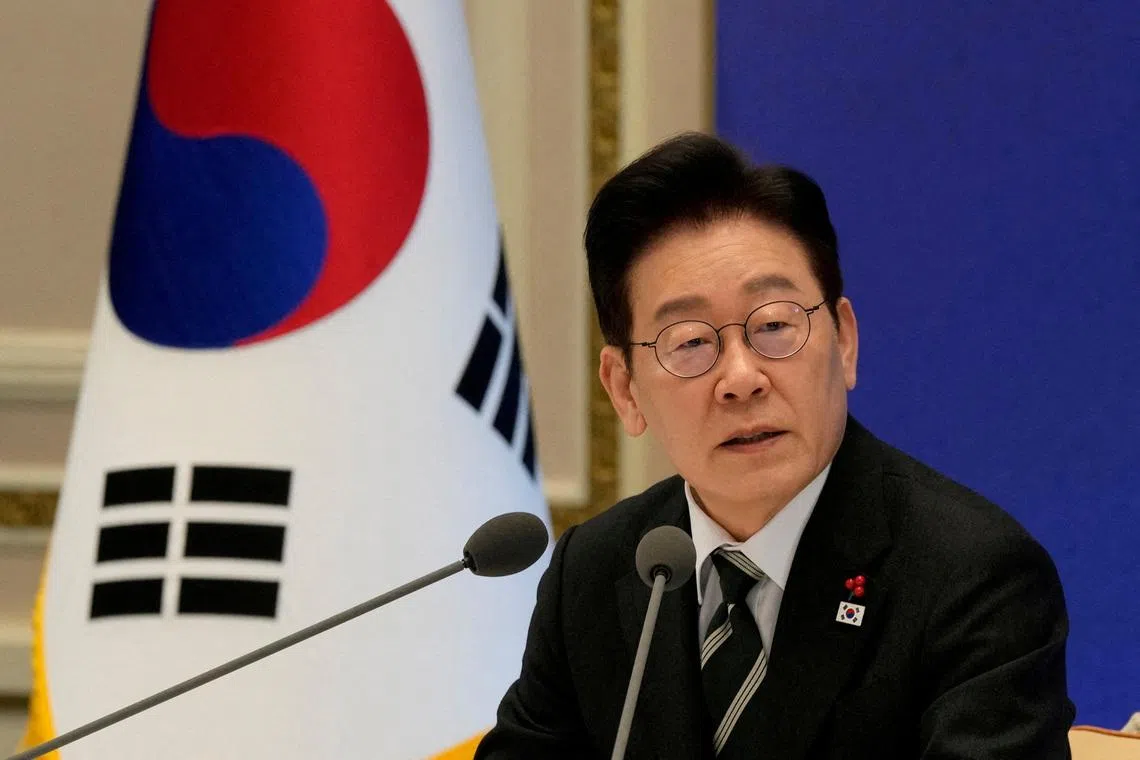
- President Lee Jae Myung defended Chung’s remarks on X, saying the Kusong site had been widely reported in academic papers and media before the minister’s comments.
- Hankyoreh reported that Washington cited several grievances when notifying Seoul of the measures, including pending legislation that would grant Seoul authority over the demilitarised zone, currently managed by the US‑led UN command.
- People Power party called Chung’s remarks a “clear security disaster” and urged his dismissal, accusing him of damaging the alliance with Washington.
- Institute for Science and International Security’s 2016 report identified a suspected early centrifuge research facility near Panghyon airbase in Kusong as a “preliminary site identification” needing further confirmation.
- Rafael Grossi of the IAEA said the agency confirmed a rapid increase in Yongbyon reactor operations, estimating North Korea’s nuclear weapons production capacity at a few dozen warheads.
Why it matters: South Korea loses unrestricted satellite intelligence on North Korean nuclear facilities, limiting its ability to monitor Pyongyang’s expanding program, while the United States retains missile‑surveillance data, preserving its own strategic oversight. The move deepens alliance friction and may constrain joint security planning.
Ask SkimNews