Jersey's Hottest May Ever Halts Sea Lettuce Growth — SkimNews
Get the Energy newsletter
Daily energy & climate — solar, EVs, oil, the policy fights and tech bets shaping the transition. Free.
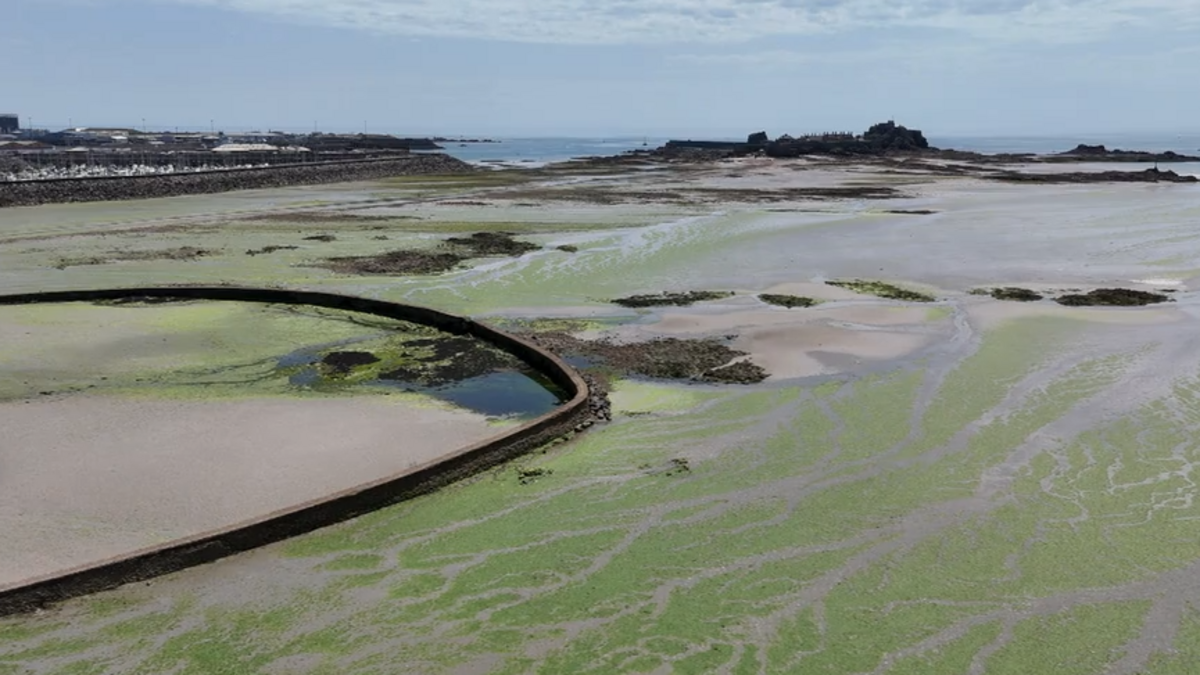
- Jersey's government confirmed no sea lettuce has been collected from St Aubin's Bay so far in 2026, even though the species normally thrives there in warm, shallow water
- Jersey recorded its hottest May day on record at 29.2C (84.5F), with unusually high temperatures persisting throughout summer
- Environment Department spokesperson said sea lettuce mainly reproduces in May and that the extreme temperatures during that window likely disrupted normal growth and reproduction
- Prolonged dry weather beginning earlier than in previous years was also cited as a contributing factor to the absence
- Action for Cleaner Water — a joint initiative of Jersey Water, the government, and farming and dairy representatives working to cut nitrate use on fields — was credited with reducing the nutrient build-up that normally fuels sea lettuce
- In 2025, almost 3,000 square metres of sea lettuce had been removed from the beach and spread on island fields, underscoring how heavy blooms had been in recent years
Why it matters: Sea lettuce is blamed for fouling the air and sand at St Aubin's Bay, so its absence means a cleaner beach season for visitors — but the more revealing story is that even record heat can now suppress growth when the May reproduction window is pushed past tolerance, validating the island's nitrate-reduction campaign while exposing how tightly the bloom is tied to a narrow seasonal window.
Ask SkimNews