Why Jerome Powell Decided to Stay at the Fed - WSJ — SkimNews

Get the Finance newsletter
Daily finance — markets, central banks, M&A, the prints that move money. Free.
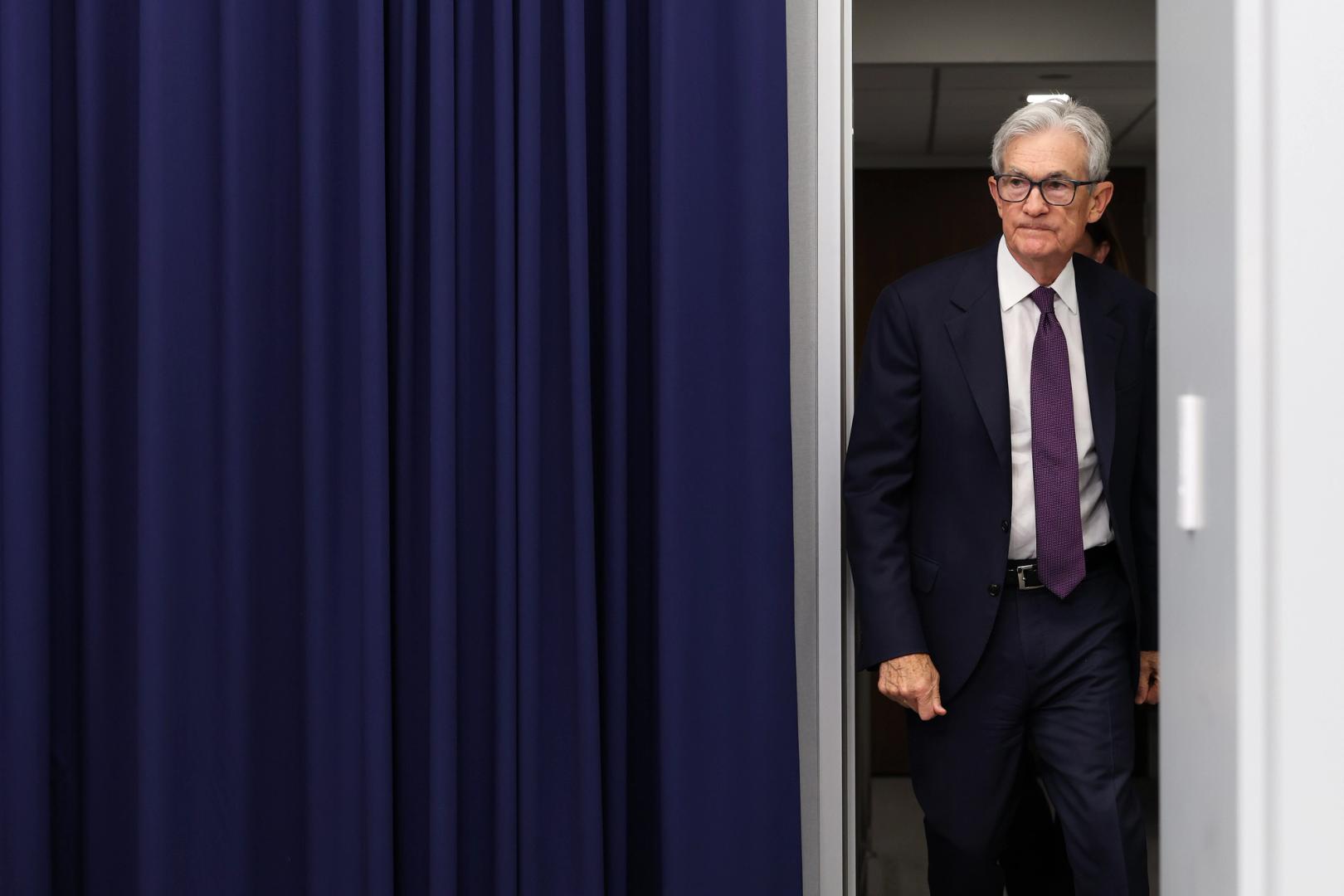
- Jerome Powell decides to remain Fed chair, signaling continuity despite political pressure.
- Federal Reserve holds the federal funds rate unchanged, marking the first time the policy has been steady while dissent reaches its highest level since 1992.
- Trump publicly criticized Powell’s future plans, intensifying his feud with the Fed amid ongoing legal battles.
- Fed policymakers were sharply divided, delivering the most dissent since 1992, highlighting internal disagreement.
- Markets responded with a modest rally in equities and a rise in Treasury yields, reflecting mixed reactions to the policy stance and political drama.
Why it matters: Investors gain clarity as the Fed holds rates steady, but the unprecedented dissent since 1992 drives market volatility, causing bond yields to rise and prompting hedge funds to rebalance portfolios.
Ask SkimNews