Bitcoin lending is entering a new institutional era, according to Silicon Valley Bank — SkimNews
Get the Finance newsletter
Daily finance — markets, central banks, M&A, the prints that move money. Free.
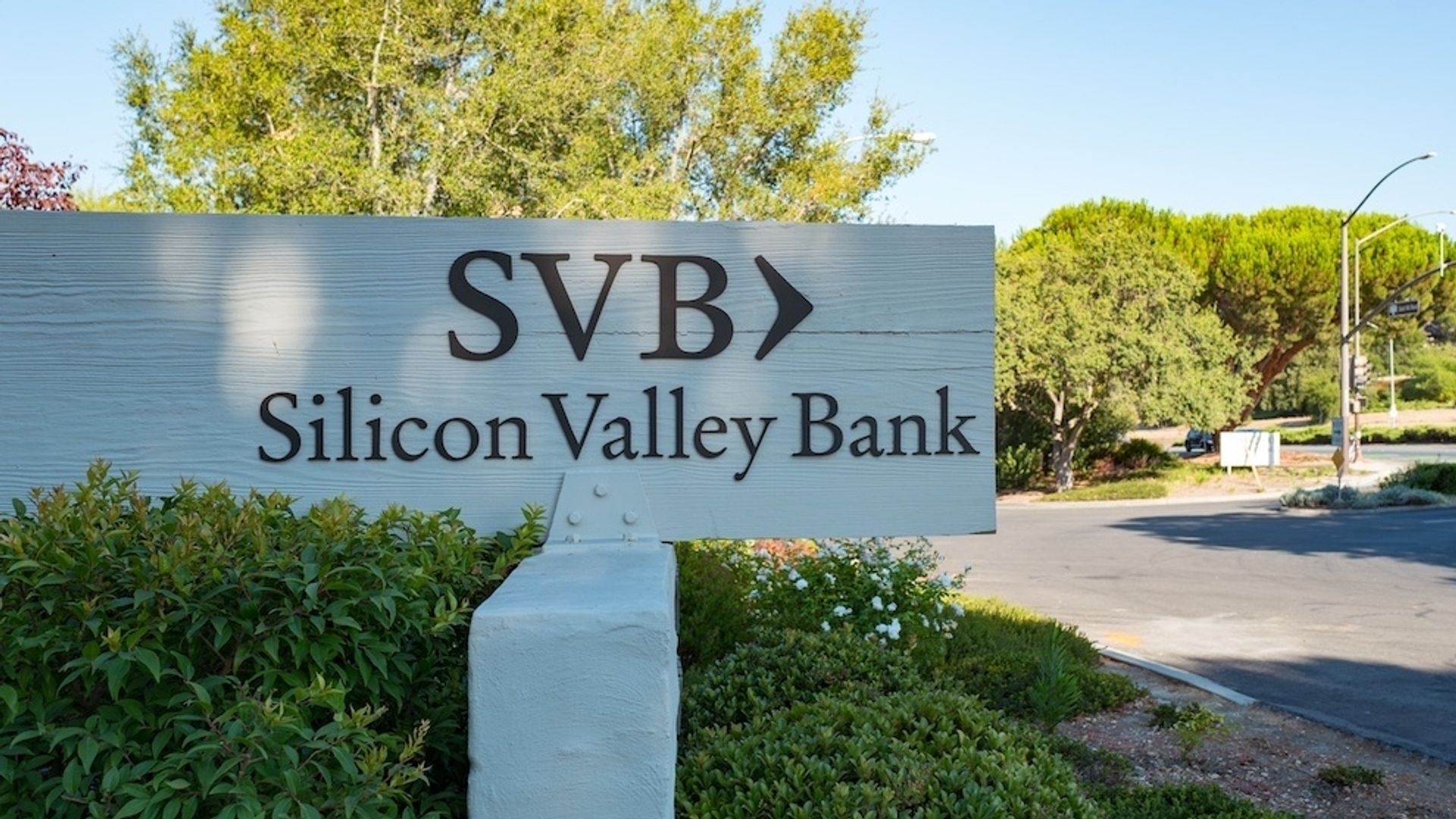
- Silicon Valley Bank said bitcoin lending has shifted toward overcollateralization, transparency, and institutional risk management following the 2022–2023 failures of BlockFi, Celsius, and Genesis, which shared vulnerabilities including maturity mismatches, excessive leverage, and rehypothecation of customer assets.
- Total crypto-backed lending has climbed to $67 billion, up 49% year over year, with several major U.S. banks now offering bitcoin-backed credit facilities, according to SVB's report.
- Ledn completed a $188 million asset-backed security — the first bitcoin-collateralized deal to receive an investment-grade rating from a Nationally Recognized Statistical Ratings Organization — with the firm estimating today's consumer BTC-backed loan market at roughly $3 billion and projecting it could scale toward $1 trillion over the next decade.
- Bitcoin-backed loan rates still generally range from 7.5% to 16% APR, well above comparable traditional financing, though Strike recently announced a 7.5% rate on term loans larger than $5 million, backed by a $2.1 billion credit facility from Tether.
- SVB expects increased participation from banks and private credit funds to narrow borrowing spreads over time, and pointed to the Lightning Network as a potential catalyst for near-instant, low-cost collateral transfers, margin calls, and liquidations.
Why it matters: Bitcoin holders seeking liquidity without selling — for tax efficiency, working capital, or lifestyle needs — now have access to a $67 billion lending market backed by institutional underwriters rather than the unregulated crypto lenders that collapsed in 2022. With major U.S. banks entering the space and Ledn securing the first investment-grade rating for a BTC-backed ABS, the borrowing-cost gap versus traditional finance (currently 7.5%–16% APR) has a credible path to narrowing as more bank and private credit capital flows in.
Ask SkimNews