Study: El Niño Droughts Cross Conflict Threshold — SkimNews
Get the Energy newsletter
Daily energy & climate — solar, EVs, oil, the policy fights and tech bets shaping the transition. Free.
- PNAS study analyzed climate and armed-conflict data from 1950 to 2023 and found statistically significant links between conflicts and two natural climate cycles: El Niño and the Indian Ocean Dipole.
- Conflict risk rose during El Niño versus La Niña periods, but the relationship was non-linear — violence became more likely only after drought conditions passed certain thresholds, with the signal differing between national and local-scale analyses.
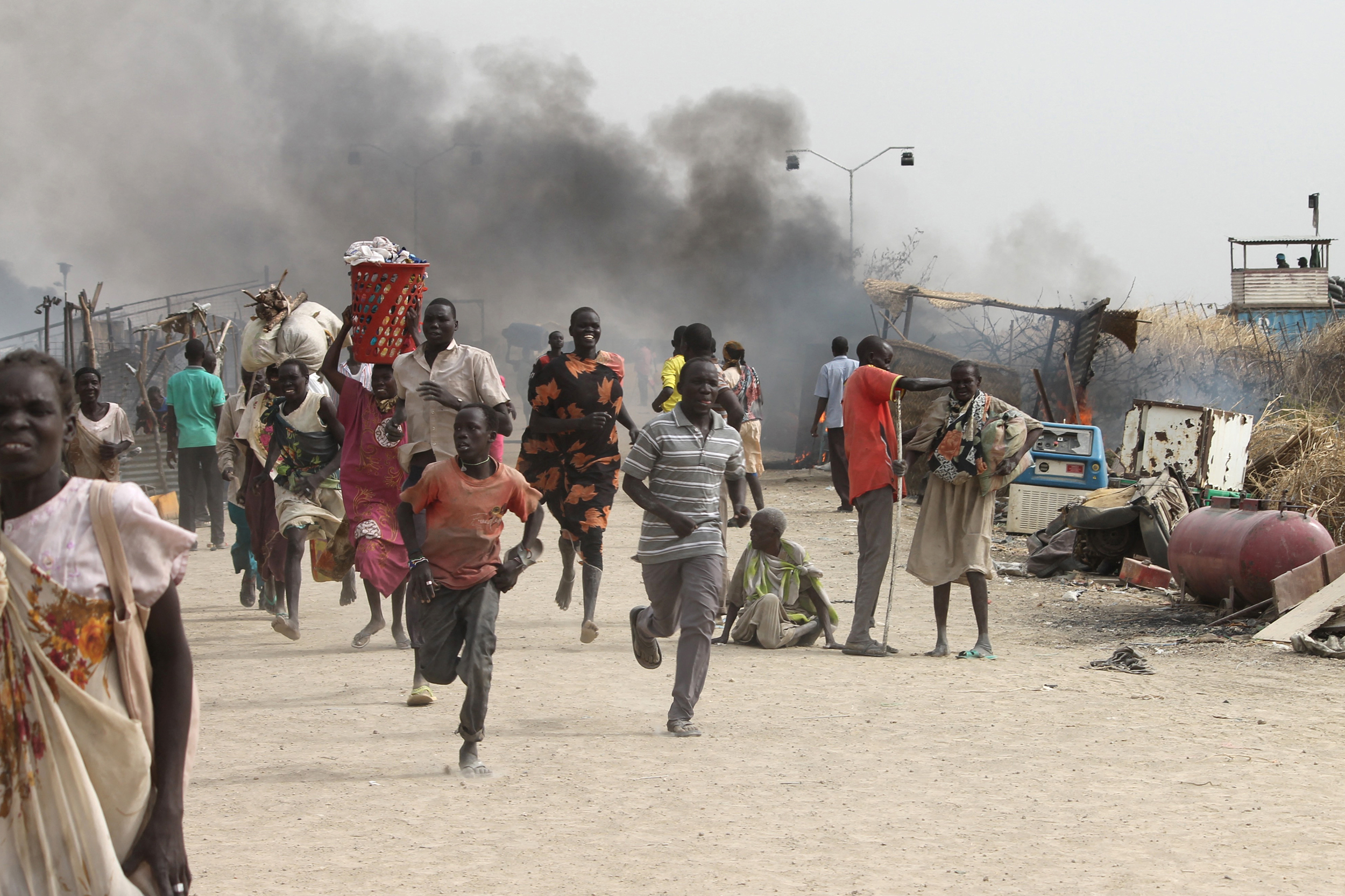
- El Niño-driven droughts were the main climate driver of heightened conflict risk, with the strongest effects in Central America and southern Africa, the study found.
- Justin Mankin, a Dartmouth College co-author, said sociopolitical, economic, and demographic factors are far stronger conflict drivers than climate, and warned that framing climate as a security issue "invites militarized responses to what should be development, governance and humanitarian problems."
- Mankin said better forecasts of El Niño and the Indian Ocean Dipole could enable anticipatory humanitarian financing in drought-vulnerable areas rather than reactive aid after displacement occurs.
- Sylvia Dee, a Rice University co-author, said pinning down the climate-conflict link requires collaboration across climate scientists, statisticians, political scientists, and social scientists working directly with affected populations.
Why it matters: The study reframes the climate-conflict link: climate variability shifts when and where existing vulnerabilities turn violent, not whether they do. Mankin's warning against a "security" framing challenges policymakers to treat drought-driven conflict as a governance and development problem rather than a military one — even as climate change intensifies El Niño extremes.
Ask SkimNews