NCAA Approves Five-Year Eligibility Rule, Ends — SkimNews
Get the Sports newsletter
Daily sports — scores, transfers, the storylines from the leagues you actually follow. Free.
- The NCAA voted to approve a five-year eligibility rule requiring athletes to complete their eligibility within five years of high school graduation or their 19th birthday, whichever comes first, with limited exceptions for religious missions, maternity leave, and military service
- The new rule effectively ends the redshirt, replacing a system that gave athletes four competition years over five with a strict five-year window; no further waivers will be issued for injury or other extenuating circumstances
- President Trump proposed similar eligibility changes in an April 7 executive order, though sources told CBS Sports' John Talty the NCAA's proposal predated the order
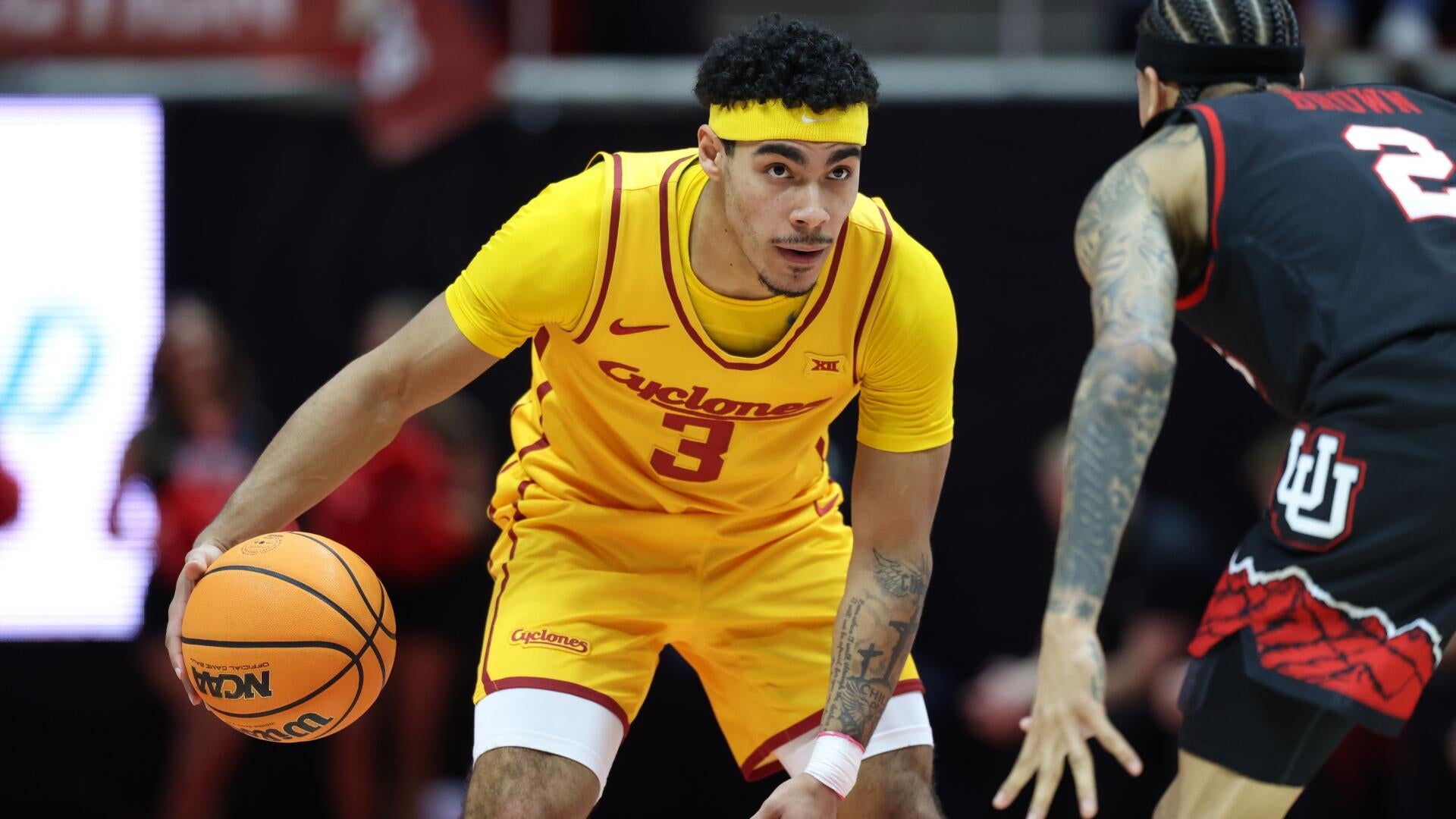
- The change targets two specific loopholes: Trinidad Chambliss won an extra year at Ole Miss by suing the NCAA over a medical waiver this offseason, while LSU was set to pay 25-year-old Yam Madar — a former Boston Celtics draft pick and Turkish League champion with Fenerbahce — several million dollars
- Under the new age-based model, international professionals like Madar would have at most one season of eligibility despite a two-year Israeli military commitment that could qualify for an exception
- The NCAA set a July 31 deadline for current student-athletes to submit hardship waiver or eligibility extension requests; those who completed their fourth season by spring 2026 receive no additional eligibility
- The rule could also discourage parents from redshirting children — holding kids back a year in school for athletic development may now cost them a year of college eligibility
Why it matters: This is the most significant eligibility overhaul in NCAA history, ending redshirts and replacing case-by-case waiver battles with a single age-based framework. Chambliss exploited the old system's gaps to extend his career, and international pros like Madar lose a lucrative path to American basketball. Schools have until July 31 to handle transitional cases for current athletes.
Ask SkimNews