Typhoon Dolphin Slams Okinawa With 162km/h Winds — SkimNews
Get the Energy newsletter
Daily energy & climate — solar, EVs, oil, the policy fights and tech bets shaping the transition. Free.
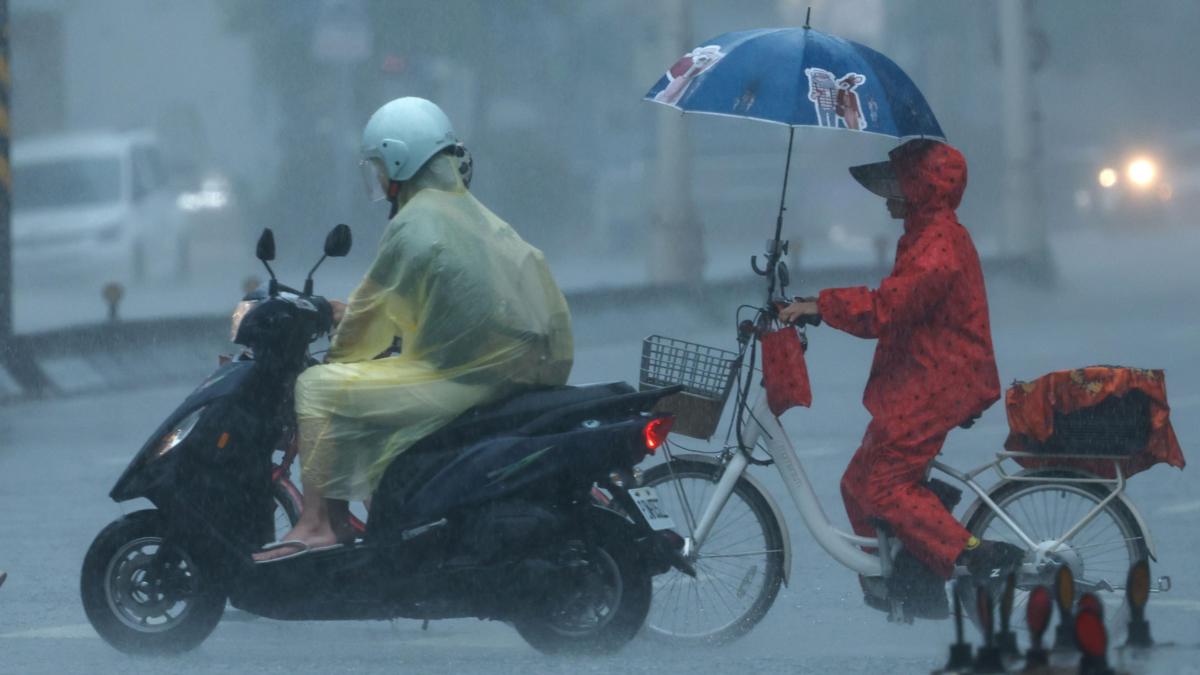
- Typhoon Dolphin cut power to at least 44,000 buildings and injured five elderly people in Okinawa after making landfall Saturday with maximum sustained winds of 162km/h (101mph), according to the Okinawan prefectural government.
- Naha International Airport closed on Friday as the storm arrived, canceling all flights to and from Okinawa.
- Japan Meteorological Agency classified Dolphin as a "very strong" typhoon, warning of high waves, storm surges, and lightning strikes while trees were toppled throughout Nago city and an overturned car leaked oil in a parking lot.
- Zhejiang province raised its coastal typhoon alert to the highest level, halting ports and ferries as Dolphin is expected to make landfall on China's eastern coast late Sunday or early Monday.
- Ningbo Lishe International Airport will suspend operations from 23:30 local time Saturday and halt all flights Sunday in preparation for the storm.
- Hong Kong posted a record high temperature of 36.9C on Sunday as Typhoon Dolphin pushed warm air over the city, separate from the storm's direct path.
- The storm is intensifying under a strong El Niño pattern, which experts cited by the article say produces more powerful typhoons during the western Pacific season (May–October), where about 25 cyclones reach tropical storm strength annually and roughly three make landfall in Japan.
Why it matters: Two major airports — Naha and Ningbo Lishe — and Zhejiang's port and ferry services are shutting down as Dolphin crosses the Okinawa-to-China corridor, stranding travelers and halting a key coastal shipping hub under a highest-level provincial alert as a "very strong" classification storm makes landfall.
Ask SkimNews