SpaceX plan for vast rocket launch site on Louisiana coast sparks backlash — SkimNews
Get the Energy newsletter
Daily energy & climate — solar, EVs, oil, the policy fights and tech bets shaping the transition. Free.
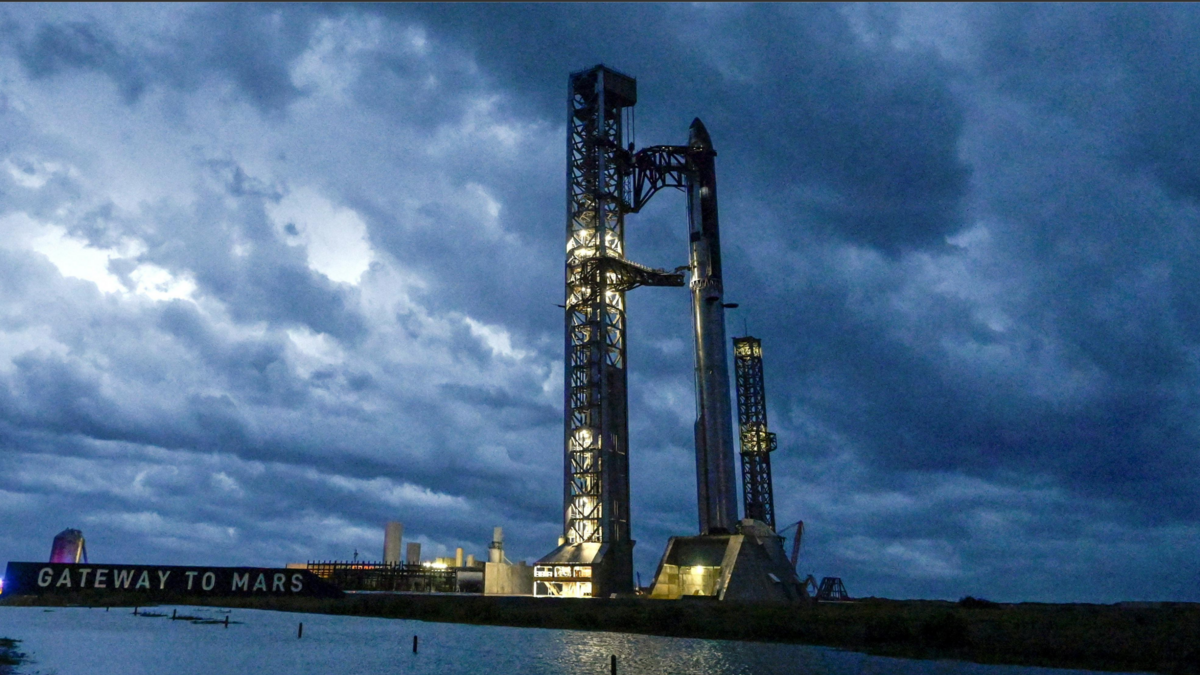
- SpaceX is reportedly close to finalizing a deal to take control of 130,000 acres on Louisiana's Pecan Island for a rocket launch site spanning an 18-mile strip several times larger than Washington DC, intended for its Starship mega rocket
- Pecan Island sits in the Mississippi flyway and serves as a critical stop-off for hundreds of millions of migratory birds including snow geese, whooping cranes, and 40% of all North American waterfowl, according to the source
- Local opponents launched an opposition website this week and are raising alarms that federal and state authorities are sweeping aside Clean Air Act, Clean Water Act, and Endangered Species Act requirements to approve the project
- Louisiana's coastline is losing roughly one football field of land every 100 minutes, with scientists projecting 2ft of sea level rise by 2050 that would drown almost all of Pecan Island, including its buildings
- The 130,000 acres were previously surrendered through a legal settlement with ExxonMobil, which had been accused of worsening land loss and pollution in the area (the company called the lawsuits "meritless")
- Some residents see SpaceX as a potential source of jobs, investment, and even protection from the advancing seas, but Abbeville schoolteacher Brooke Broussard said most locals she has spoken to are against the plan
- Neither SpaceX nor Governor Jeff Landry's office confirmed the deal, though SpaceX previously posted on X that thousands of Starship launches will require expansion to many locations domestically and internationally
Why it matters: For Pecan Island's few hundred residents and the Mississippi flyway's migratory birds, a 130,000-acre SpaceX complex on land already damaged by ExxonMobil represents a sharp test of whether federal environmental laws will be enforced for politically connected mega-projects — especially given critics' claims that regulators are already waiving the Clean Air Act, Clean Water Act, and Endangered Species Act.
Ask SkimNews