CATF: State-led planning can deploy nuclear, offshore wind — SkimNews
Get the Finance newsletter
Daily finance — markets, central banks, M&A, the prints that move money. Free.
- Clean Air Task Force released a report finding that deregulated states need state-led planning to deploy long-lead-time technologies like nuclear and offshore wind, since market prices are 'inherently near-term' per lead author Kasparas Spokas.
- The report identifies three components for improved planning without returning to vertical integration: periodic scenario-based long-term system assessments, technology development roadmaps, and development mandates or state-led procurement.
- Spokas cited California, New York, and Illinois as deregulated states pursuing state-led planning, calling Illinois' Clean and Reliable Grid Affordability Act—which took effect in June—'model legislation' for formalizing procurement.
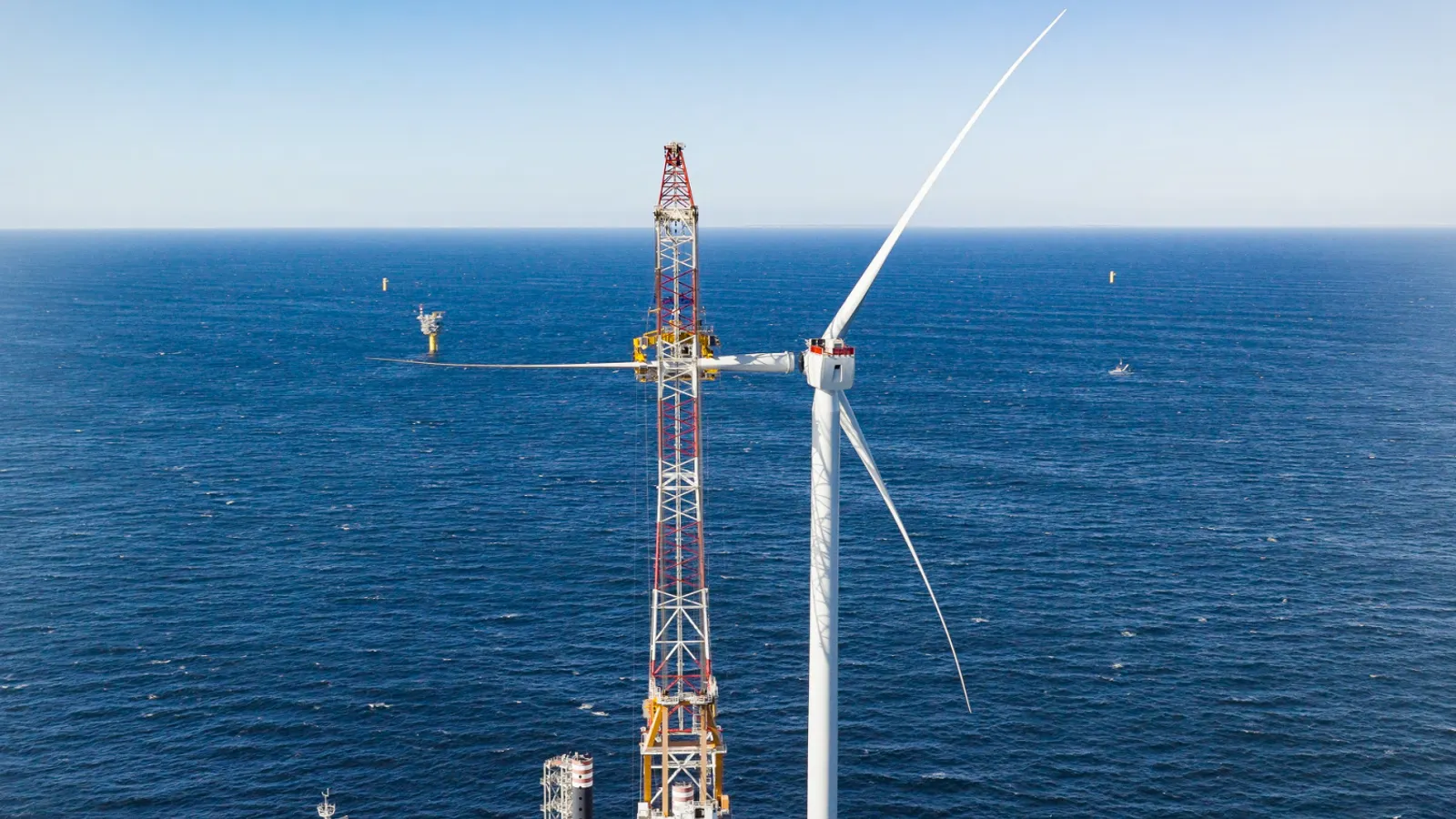
- New York is struggling to meet clean energy goals due to cancellations and delays of offshore wind projects, which Spokas said more comprehensive scenario planning could mitigate by building capacity to pivot quickly.
- The report found that permit denials, community opposition, and lack of available transmission are the leading causes of solar and wind project cancellations—obstacles state-led planning alone cannot solve.
- FERC gave a boost in June to Constellation Energy's plan to restart Pennsylvania's Crane nuclear plant (formerly Three Mile Island Unit 1) by approving a waiver to transfer capacity interconnection rights from the nearby Eddystone plant.
- Spokas said the federal government also has 'a big role to play' through implementing FERC Order 1920, reforming interconnection queue processes, and maintaining tax credits and incentives for these technologies.
Why it matters: States like Illinois are already putting state-led clean energy procurement into law—the Clean and Reliable Grid Affordability Act took effect in June—giving regulators and developers a live test case for whether market-based grids can decarbonize without reverting to vertical integration. Permitting, transmission, and interconnection bottlenecks kill most renewable projects before they break ground, meaning even well-designed state plans require federal coordination through FERC Order 1920 and preserved tax credits.
Ask SkimNews