Sherrill Delays NJ Sea-Level Protections One Year — SkimNews
SkimNews Take
The delay in implementing coastal protections, despite scientific consensus, indicates how short-term economic concerns often override long-term climate adaptation strategies in policy decisions.
Get the Energy newsletter
Daily energy & climate — solar, EVs, oil, the policy fights and tech bets shaping the transition. Free.
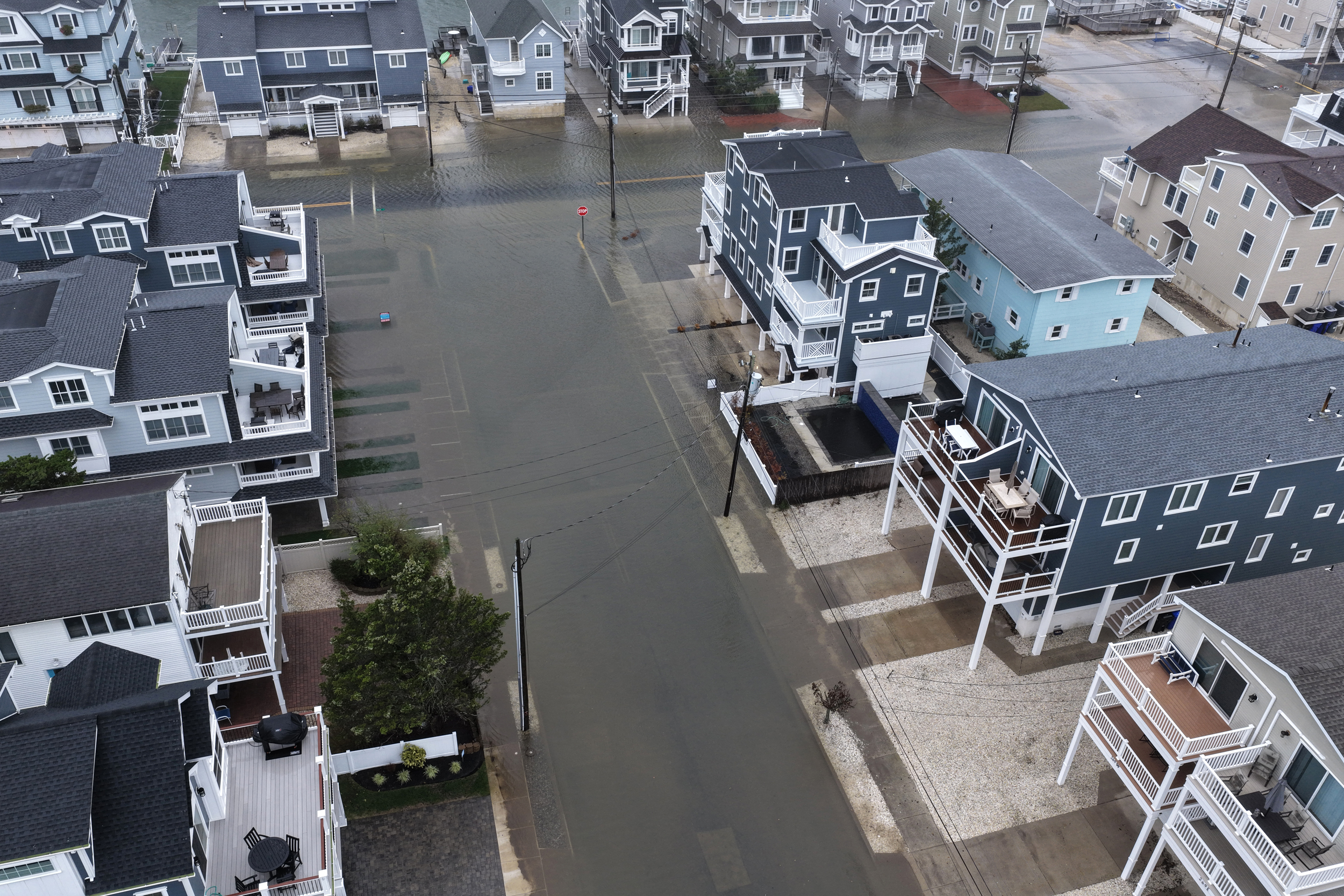
- Gov. Mikie Sherrill agreed to a one-year delay and comprehensive review of the REAL rule, which was set to take effect July 20 and would have imposed stricter flood, stormwater, and wetlands protections on new coastal construction.
- The REAL rule was adopted on the final day of Gov. Phil Murphy's administration in January 2026 and would have required new shore homes and substantial remodels to be built four feet above current FEMA standards.
- Senate President Nicholas Scutari and a coalition of coastal mayors had opposed the rules, arguing they would raise housing costs and stifle development; the New Jersey Business & Industry Association and Sen. Paul Sarlo welcomed the delay.
- New DEP Commissioner Ed Potosnak, confirmed by the state Senate the day before the announcement, said the review would 'streamline permitting, support new and resilient development, and protect life and property.'
- Environmental advocates Jeff Tittel and Michael Pisauro called the move 'a charade to basically kill the rule,' with Watershed Institute's Pisauro warning that building in flood zones during the delay 'is going to put people and property at risk.'
- New Jersey has already experienced about 18 inches of sea-level rise since the early 1900s—more than twice the global mean rate of roughly 8 inches—according to the New Jersey Climate Change Resource Center.
- Jennifer M. Coffey of the Association of New Jersey Environmental Commissions called the delay 'a capitulation to big money interests,' while Climate Revolution Action Network's Ben Dziobek said the administration 'chose to side with wealthy developers instead of working-class residents.'
Why it matters: The delay pauses stricter Jersey Shore building standards for another year, allowing construction under older FEMA rules in zones now expected to see up to five feet of sea-level rise by 2100. NJ has already lost 18 inches of relative sea level—double the global average—making the contested four-foot FEMA buffer a concrete trade-off between housing costs and flood risk. Environmental groups argue the year-long grace period is effectively a path to dismantling the rule.
Ask SkimNews