Houthis grow stronger despite years of airstrikes — SkimNews

Get the Geopolitics newsletter
Daily geopolitics — wars, elections, sanctions, the diplomatic moves that move markets. Free.
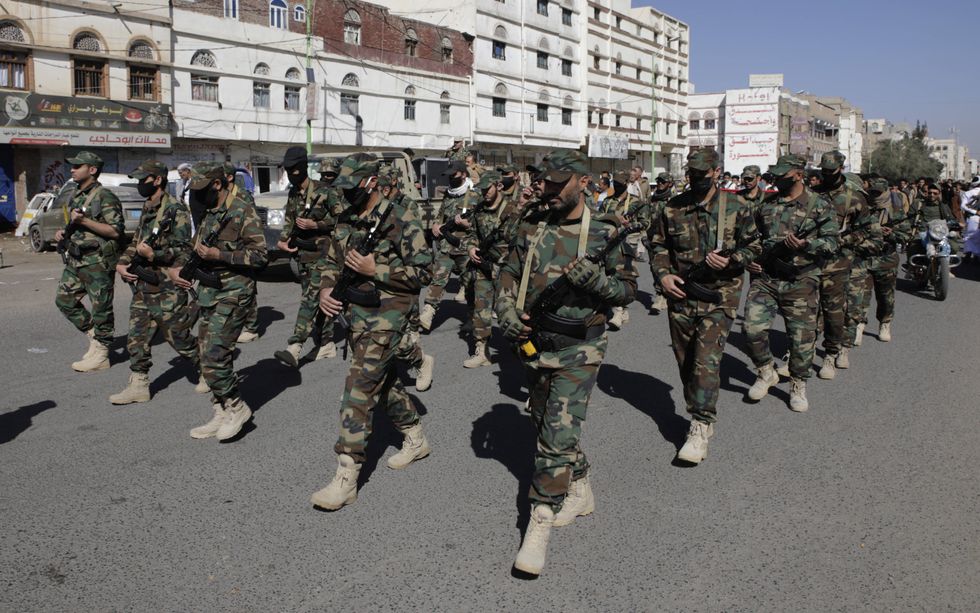
- Houthis have expanded from 30,000 fighters in 2015 to an estimated 350,000 by 2024, according to a UN report, while acquiring ballistic missiles, drones, and anti-ship weapons.
- Iran provides advanced components like guidance systems to the Houthis, enabling domestic production of weapons, though it denies arming them in violation of a UN embargo.
- Saudi Arabia conducted years of airstrikes against the Houthis starting in 2015, killing civilians and failing to dislodge the rebels, whose attacks on Gulf oil infrastructure continue.
- U.S. and U.K. launched waves of strikes on Houthi targets beginning in January 2024, spending over $750 million on munitions, yet lost multiple high-value drones and a fighter jet.
- Anti-Houthi forces, including Saudi-backed government troops and UAE-supported southern separatists, remain divided and ineffective, allowing Houthi advances toward the Bab el-Mandeb strait.
- Thomas Juneau notes the weakness of the Houthis’ adversaries is as critical as Iranian support, citing the internationally recognized Yemeni government’s fragmentation and corruption.
Why it matters: The Houthis now control strategic territory and shipping lanes with minimal cost compared to the billions spent by adversaries on failed air campaigns, shifting regional power balances. Their ability to sustain warfare despite elite opposition signals a durable asymmetric threat that no current strategy can neutralize without ground forces or diplomatic breakthroughs.
Ask SkimNews