OPINION: Trump's U.N. speech, a stark contrast with past presidents — SkimNews
Get the Geopolitics newsletter
Daily geopolitics — wars, elections, sanctions, the diplomatic moves that move markets. Free.
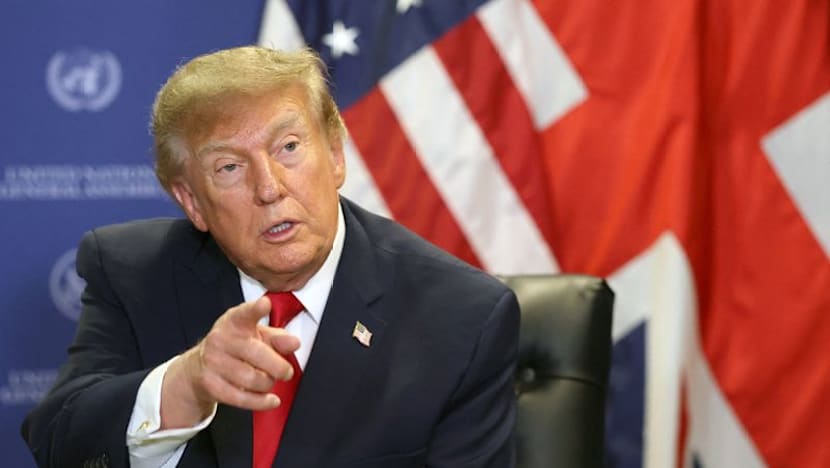
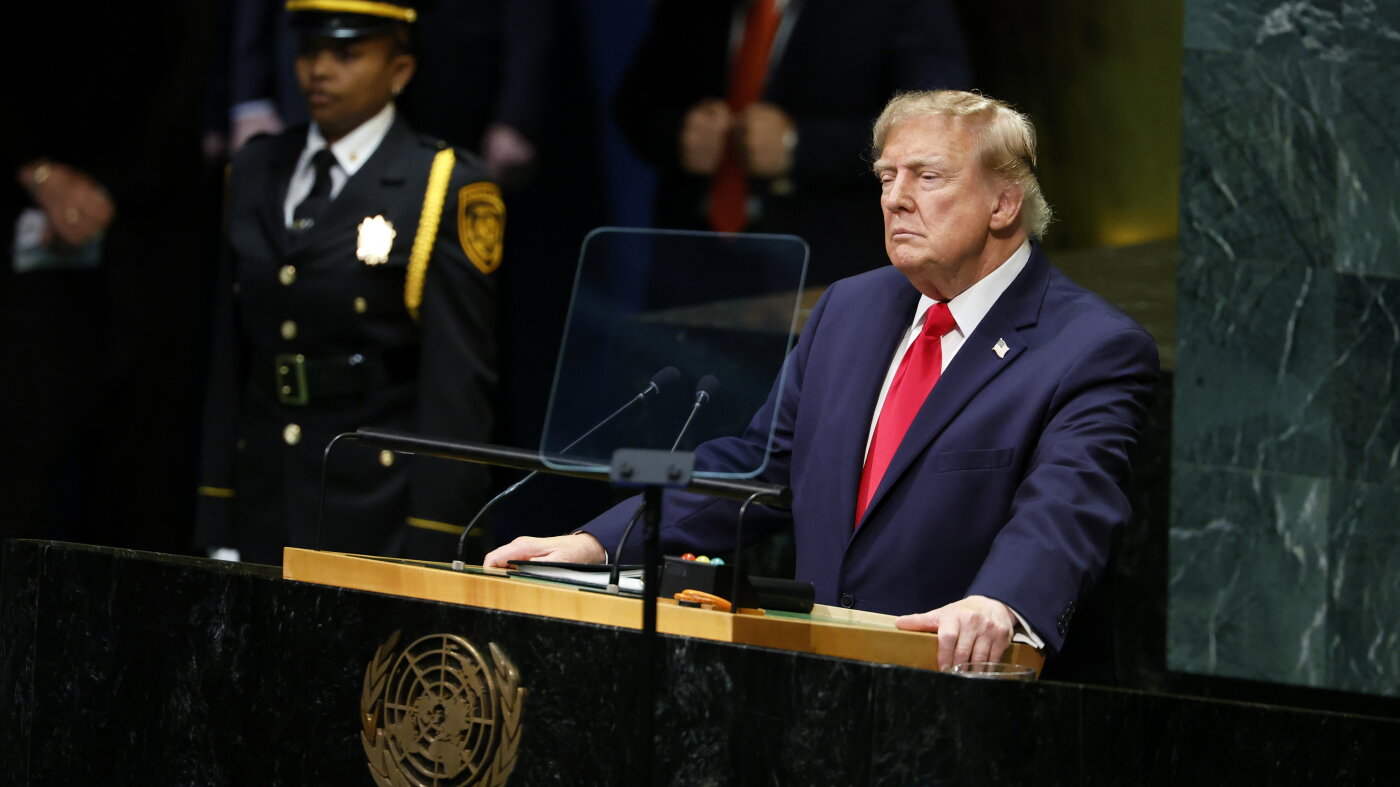
- Donald Trump told the United Nations General Assembly this week that he asked himself whether to "annihilate the Islamic Republic" or "drive them into hell with no chance of survival," language the opinion piece notes carries unique weight from a president who "can command armies to march and missiles to fly."
- President Harry Truman on August 6, 1945, announced the first atomic bomb had been dropped on Hiroshima, Japan, instantly killing an estimated 70,000 people, with roughly 40,000 more dying days later in Nagasaki and tens of thousands more from radiation in the following years.
- President Truman called the atomic bomb "a harnessing of the basic power of the universe" and cautioned about "protecting the world from the danger of sudden destruction," setting a tone of restraint the opinion contrasts with Trump's rhetoric.
- President Ronald Reagan stated that "a nuclear war cannot be won and must never be fought," a formulation the piece highlights as part of a tradition of pointedly measured presidential language about nuclear weapons.
- President John F. Kennedy during the 1962 Cuban Missile Crisis told Americans, "We will not prematurely or unnecessarily risk the costs of worldwide nuclear war in which even the fruits of victory would be ashes in our mouth."
- President Gerald Ford told the UN General Assembly in 1974 that "prevention of full-scale warfare in the nuclear age has become everybody's responsibility" and "today's regional conflict must not become tomorrow's world disaster."
- President Barack Obama visited the Peace Park in Hiroshima in 2017 and said that among nations with nuclear stockpiles, "we must have the courage to escape the logic of fear and pursue a world without them."
Why it matters: The opinion piece argues that Trump's explicit annihilation language targeting Iran departs from a bipartisan tradition stretching from Truman through Obama of restraining nuclear rhetoric, raising the stakes of how a sitting commander-in-chief talks about destruction. Eight decades of presidential caution — from Truman's "basic power of the universe" to Obama's appeal to "escape the logic of fear" — frame the contrast as a break in norms, not just a rhetorical flourish.
Ask SkimNews