Trump UN 'Annihilate Iran' Breaks Postwar Rhetoric — SkimNews
Get the Geopolitics newsletter
Daily geopolitics — wars, elections, sanctions, the diplomatic moves that move markets. Free.
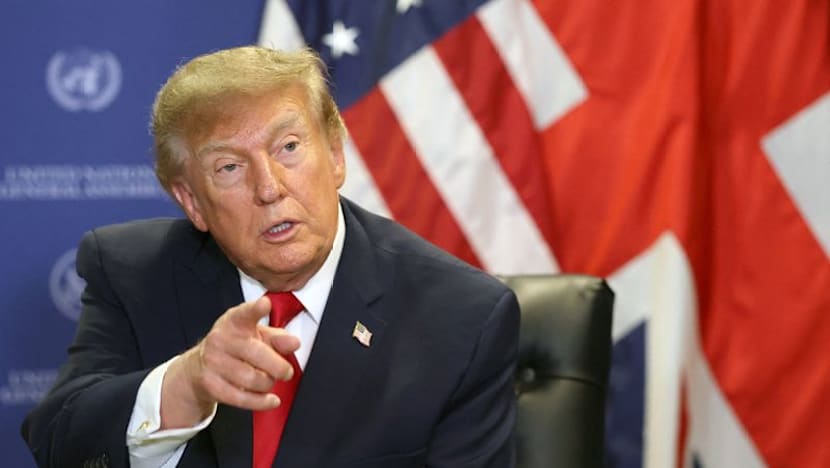
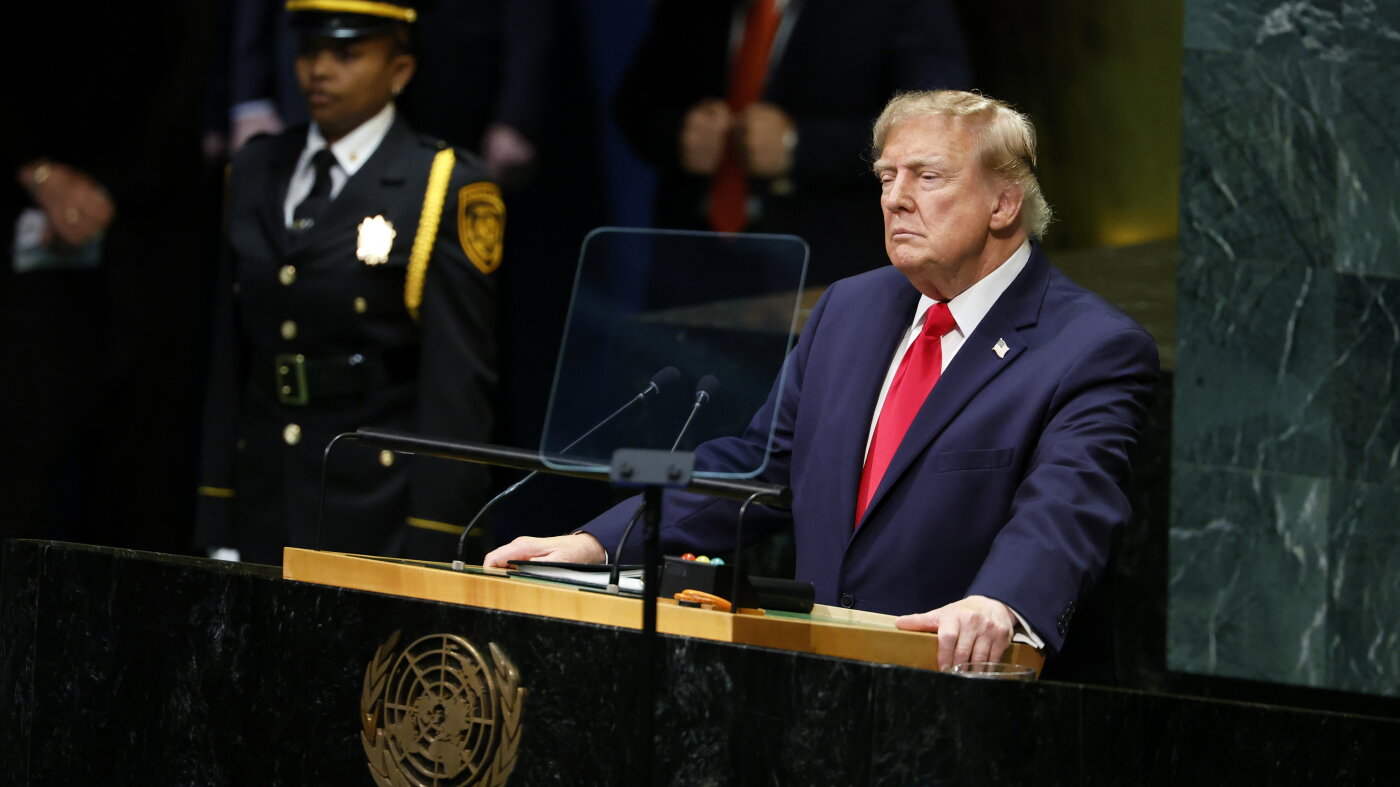
- Trump told the UN General Assembly this week he had weighed whether to "make a deal" with Iran or "annihilate" it, asking aloud whether to "drive them into hell with no chance of survival and no hope of future greatness or generations."
- Harry Truman, after announcing the August 6, 1945 atomic bombing of Hiroshima (~70,000 killed instantly) and the Nagasaki attack days later (40,000 more dead in days), framed nuclear power as "a harnessing of the basic power of the universe" with cautions about "protecting the world from the danger of sudden destruction."
- Ronald Reagan stated flatly that "a nuclear war cannot be won and must never be fought," a line the column cites as the postwar rhetorical floor on nuclear weapons.
- John F. Kennedy, as he ordered the 1962 naval blockade of Cuba to stop Soviet missile installations, told Americans the U.S. would "not prematurely or unnecessarily risk the costs of worldwide nuclear war in which even the fruits of victory would be ashes in our mouth."
- Gerald Ford told the 1974 UN General Assembly that preventing full-scale nuclear warfare had become "everybody's responsibility" and warned that "today's regional conflict must not become tomorrow's world disaster."
- Barack Obama, visiting the Hiroshima Peace Park in 2017, urged nuclear-armed nations to "have the courage to escape the logic of fear and pursue a world without" nuclear weapons.
- The column's thesis: Trump's predecessors believed their measured nuclear language made explicit threats of "annihilation" and "no chance of survival" feel redundant — a rhetorical standard Trump's UN remarks abandoned.
Why it matters: A sitting U.S. president's explicit threat to 'annihilate' Iran at the UN General Assembly marks the first departure in eight decades from measured presidential nuclear rhetoric — from Truman's 1945 Hiroshima announcement through Obama's 2017 Hiroshima visit. Every postwar predecessor, including Reagan, Kennedy, Ford, and Obama, framed nuclear weapons as dangers to be restrained rather than threats to brandish against named states.
Ask SkimNews