Autism Symptom Severity Linked to ADHD Brain Wiring — SkimNews

Get the Health newsletter
Daily health & science — research, biotech, public health, the studies worth knowing. Free.
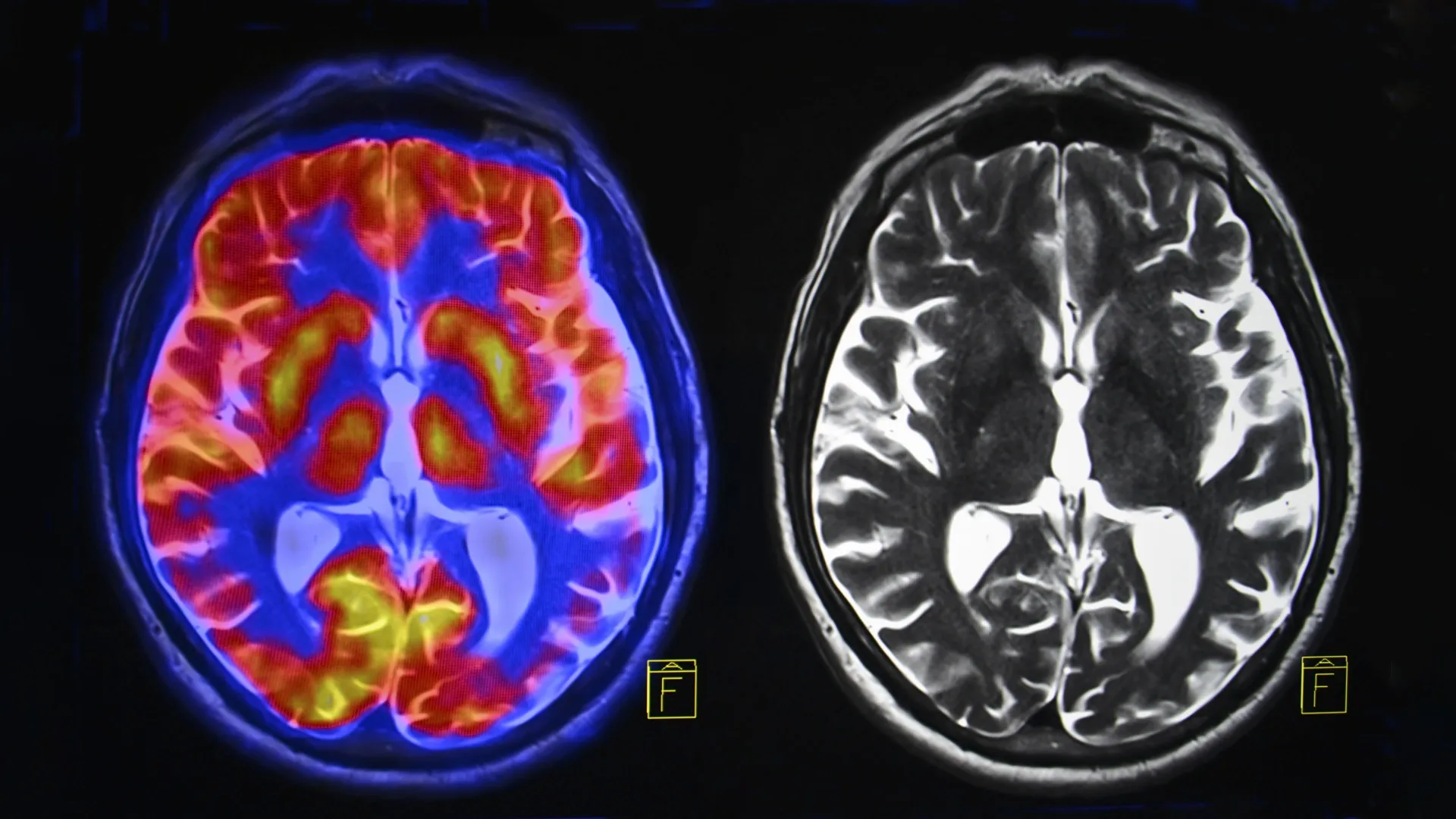
- Child Mind Institute researchers used resting-state fMRI to scan 166 verbal children ages 6-12 diagnosed with autism or ADHD (without autism), finding that autism symptom severity—not diagnosis—correlated with stronger connectivity between frontoparietal and default-mode brain networks involved in social thinking and executive function.
- Dr. Adriana Di Martino, Founding Director of the Autism Center at the Child Mind Institute, led the study published in Molecular Psychiatry, which combined brain imaging with in silico spatial transcriptomic analysis to map connectivity patterns against regions of gene expression tied to neural development.
- The study found that connections between frontoparietal and default-mode networks—structures that typically weaken as the brain specializes over time—remained unusually strong in children with more pronounced autism symptoms, suggesting altered brain maturation regardless of formal diagnosis.
- Brain connectivity differences aligned with regions where genes previously associated with both autism and ADHD are active, pointing to shared biological mechanisms that may underlie traits seen across both conditions.
- The authors argue the findings support a dimensional, data-driven approach to neurodevelopmental conditions—one that weighs specific symptoms and their biological basis rather than relying solely on traditional diagnostic categories.
Why it matters: This 166-child study reinforces a growing push in psychiatry to move beyond diagnostic silos, showing that symptom severity—not whether a child is labeled ASD or ADHD—tracks with shared brain wiring and gene activity. That dimensional lens could guide future biomarker research and more individualized treatment strategies for children with neurodevelopmental conditions.
Ask SkimNews