India-Israel Ties Face Test After Israel Election — SkimNews

Get the Geopolitics newsletter
Daily geopolitics — wars, elections, sanctions, the diplomatic moves that move markets. Free.
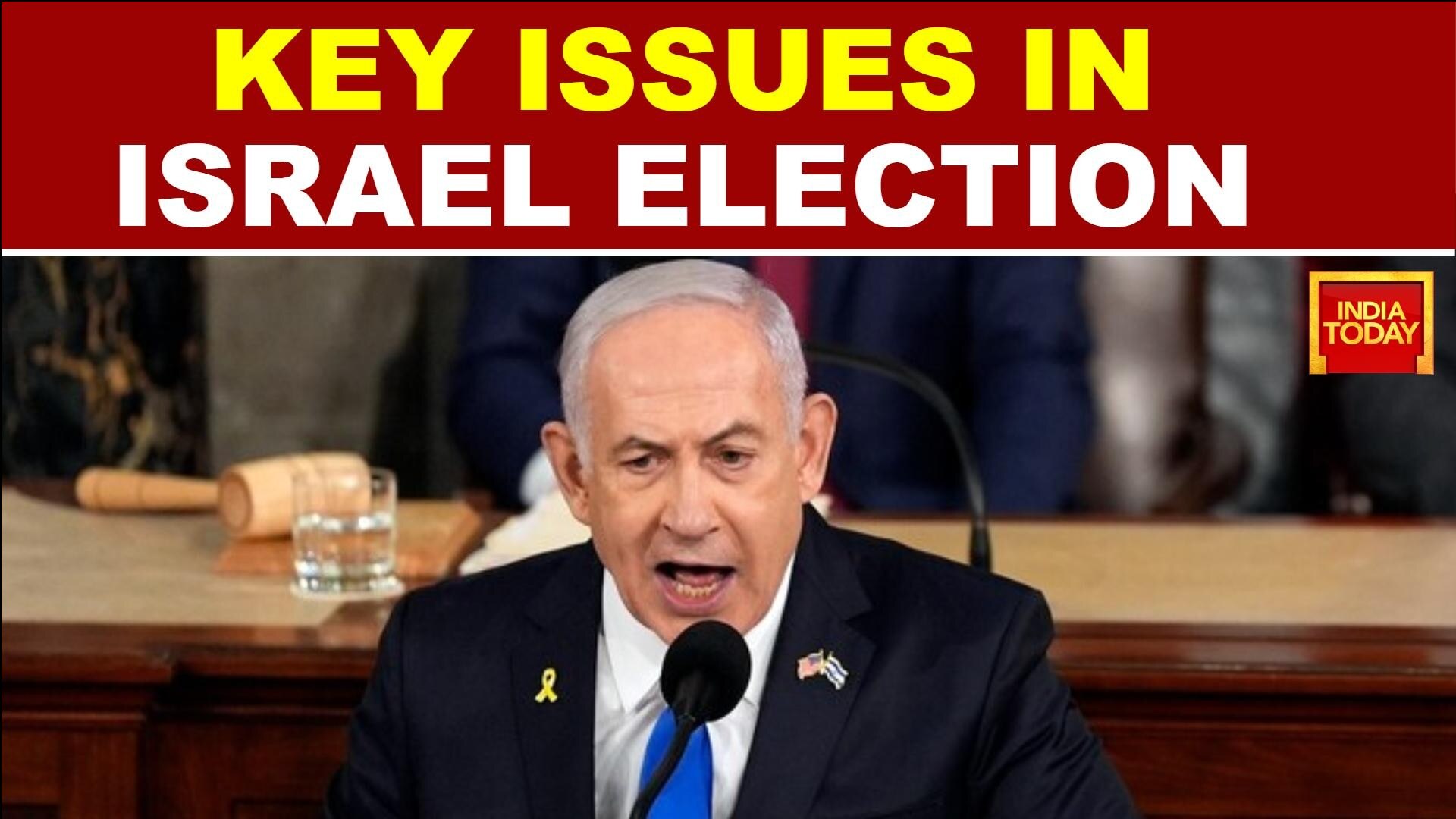
- Israel held a pivotal parliamentary election on October 27, the first since the October 7, 2023 Hamas attack, with results hinging on coalition formation and public scrutiny of Netanyahu’s leadership and security record.
- India and Israel expanded defense cooperation through joint projects like the Barak-8 air-defense system and are exploring co-production of Iron Dome components and Tamir interceptor missiles in India.
- India was Israel’s largest arms importer from 2021 to 2025, accounting for 29% of its global arms exports, reflecting deepening military-industrial integration despite India’s push for defense indigenization.
- India and Israel advanced free trade agreement negotiations in 2026, supported by a Bilateral Investment Agreement that entered force in July 2026 and discussions on using the rupee for trade settlements.
- Netanyahu and Modi cultivated a visible personal rapport, but institutional mechanisms in defense, technology, agriculture, and water management provide a foundation for continuity regardless of leadership changes.
- India faces regional balancing challenges in West Asia, where escalation involving Israel could affect its energy security, diaspora welfare, and economic initiatives like I2U2 and IMEEC.
Why it matters: Defense and trade ties worth billions hinge on political continuity in Israel, but established joint projects and India’s strategic interests across West Asia mean any new government has material incentives to sustain engagement, ensuring bilateral momentum doesn’t depend solely on personal diplomacy.
Ask SkimNews