South Korea Drops Immediate Denuclearization Demand

Get the Geopolitics newsletter
Daily geopolitics — wars, elections, sanctions, the diplomatic moves that move markets. Free.
- South Korea abandoned complete and immediate denuclearization as the starting point for talks, proposing a three-step process to halt weapons production, reduce the stockpile, and eventually dismantle the arsenal.
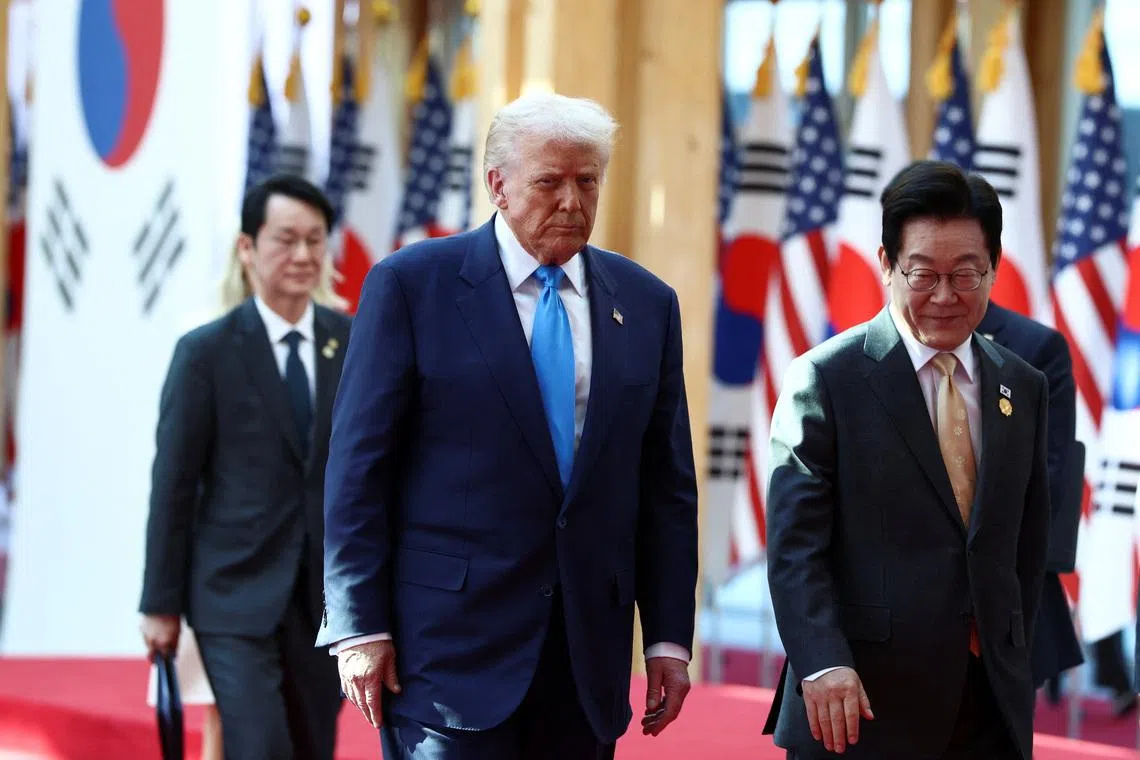
- Trump told South Korean President Lee Jae-myung that it was time to pay attention to North Korea and agreed to consider Lee’s phased approach, while Washington’s 2025 National Security Strategy omitted the longstanding denuclearization goal.
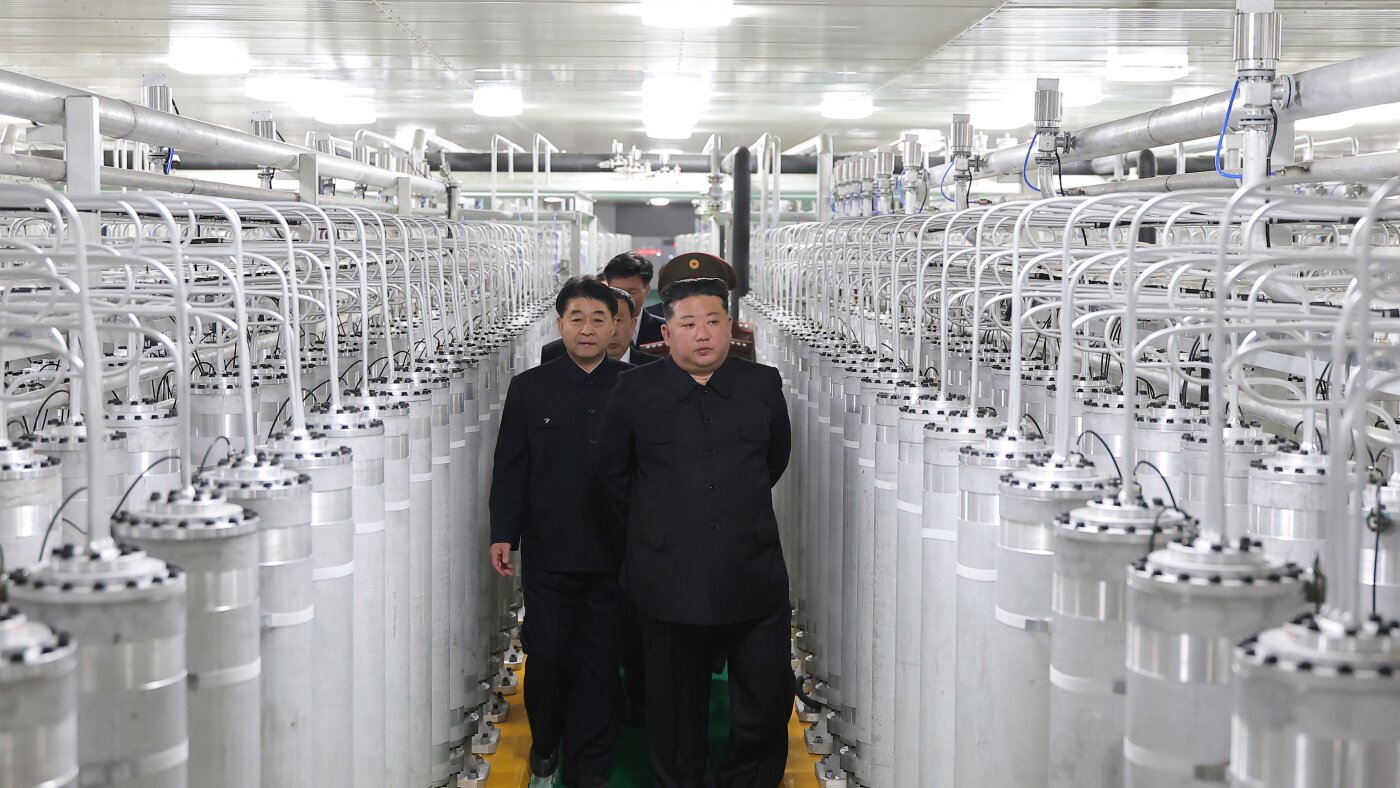
- North Korea expanded its estimated arsenal to 60 warheads since 2018, with fissile material for at least 30 more, and constitutionalized its status as a nuclear power.
- China served as the route for more than 98% of North Korea’s trade in 2025, giving Beijing enormous leverage over the North Korean economy.
- Russia is reportedly seeking up to 30,000 additional North Korean troops for its war in Ukraine, on top of roughly 14,000 already deployed.
- Singapore invited North Korea to attend the ASEAN Regional Forum in 2027, while Pyongyang rebuffed the forum’s denuclearization language but did not reject participation.
- Trump imposed the U.S. travel ban on North Korea in 2017 and can remove it unilaterally, potentially reopening scientific, medical, business, humanitarian, and civil-society contacts.
Why it matters: The timing gives the U.S. a narrow opening to test diplomacy before Trump leaves office, but North Korea enters it with an estimated 60 warheads and more than 98% of 2025 trade routed through China. Without beginning talks, Washington could lose its chance to shape a peninsula where its influence is fading.
Ask SkimNews