South Korea Drops Denuclearization-First Demand

Get the Geopolitics newsletter
Daily geopolitics — wars, elections, sanctions, the diplomatic moves that move markets. Free.
- Chung Dong-young, South Korea's Unification Minister, announced Seoul would no longer insist on complete, immediate North Korean denuclearization as the starting point for diplomacy, proposing instead a three-step process: halt new weapons production, reduce the existing stockpile, then dismantle the arsenal.
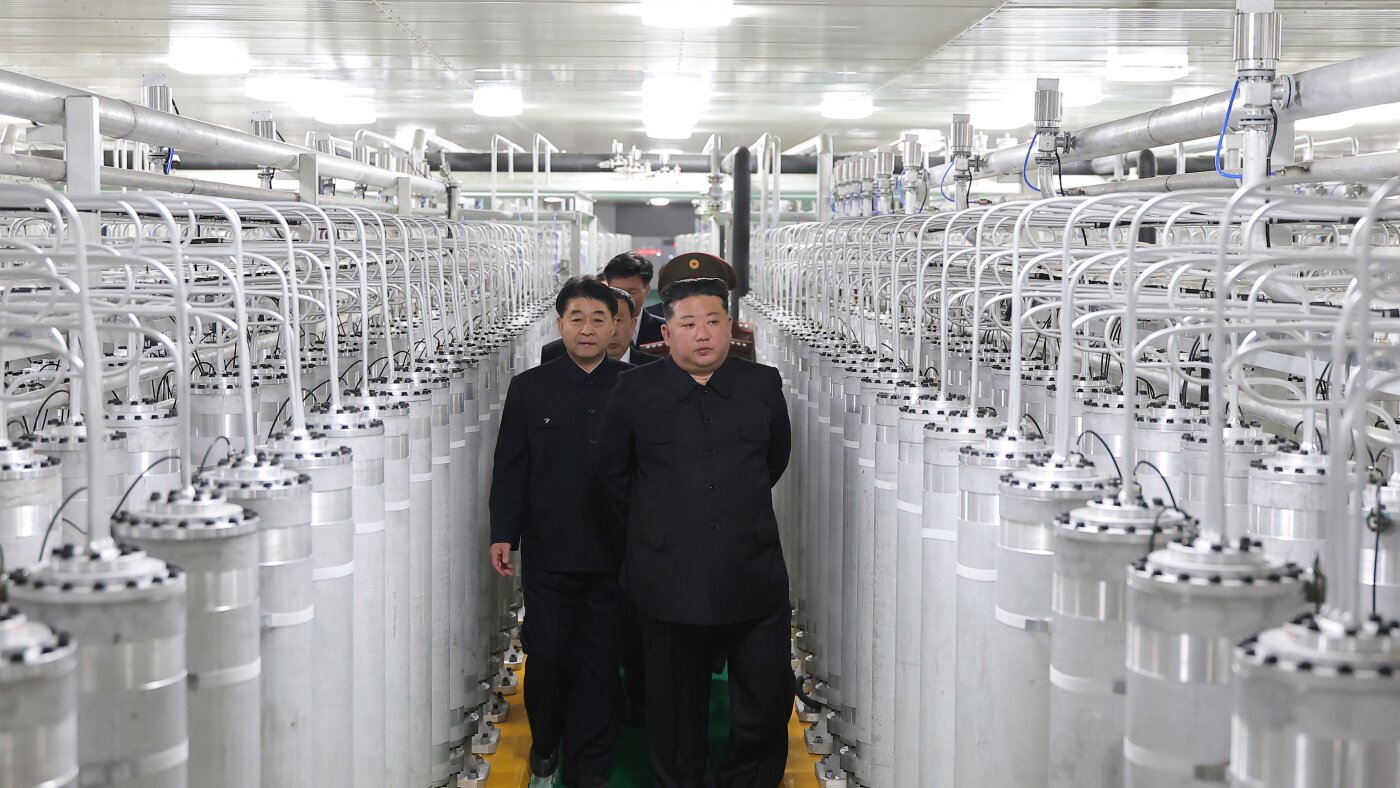
- North Korea has expanded its arsenal to an estimated 60 warheads with fissile material for at least 30 more, codified its nuclear status into its constitution, and built a military partnership with Russia involving thousands of troops and munitions for Ukraine.
- KOTRA data shows more than 98 percent of North Korea's trade in 2025 flowed through China, making Pyongyang dangerously dependent on Beijing, though Singapore, Vietnam, and India have emerged as alternative Asian trading partners.
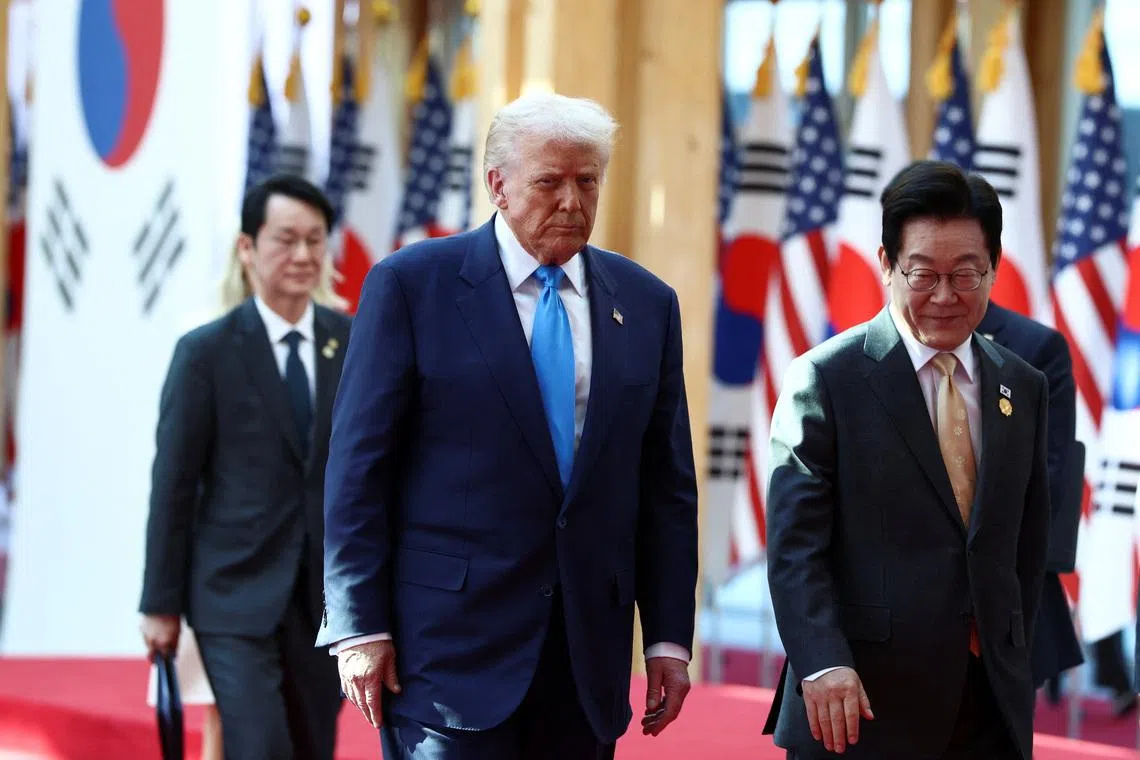
- Trump told South Korean President Lee Jae-myung at the latest G-7 summit that it was "time to pay attention" to North Korea and agreed to consider Lee's phased approach, consistent with the 2025 U.S. National Security Strategy's omission of denuclearization language.
- Kim Jong Un has conditioned any meeting with Trump on Washington "accepting reality" and dropping the "absurd obsession" with denuclearization, with his sister Kim Yo Jong declaring the nuclear program "final and irreversible."
- Russia is reportedly seeking up to 30,000 additional North Korean troops for Ukraine on top of roughly 14,000 already deployed, suggesting Kim still values Moscow as his primary strategic partner.
- China has signaled interest in reducing tensions and floated a possible meeting alongside the November APEC summit, while Japan appears willing to approach the long-standing abduction issue pragmatically and Singapore has invited North Korea to the 2027 ASEAN Regional Forum.
Why it matters: The window closes when Trump leaves office: without a deal, North Korea's arsenal will grow, its Russia and China ties will deepen, and the U.S. will lose leverage on a peninsula where its influence is already fading — all while South Korea, China, Japan, and Singapore are quietly building the framework for engagement Washington is being left out of.
Ask SkimNews