McGill: Upright Sitting Improves Mood and Risk-Taking — SkimNews
Get the Health newsletter
Daily health & science — research, biotech, public health, the studies worth knowing. Free.
- McGill University researchers recruited nearly 200 participants from the McGill community for a study examining how posture affects mood and decision-making.
- Jorge Armony, professor in McGill's Departments of Psychiatry and Psychology and the study's senior author, worked with graduate student Soren Wainio-Theberge, who developed the original research idea and coauthored the paper.
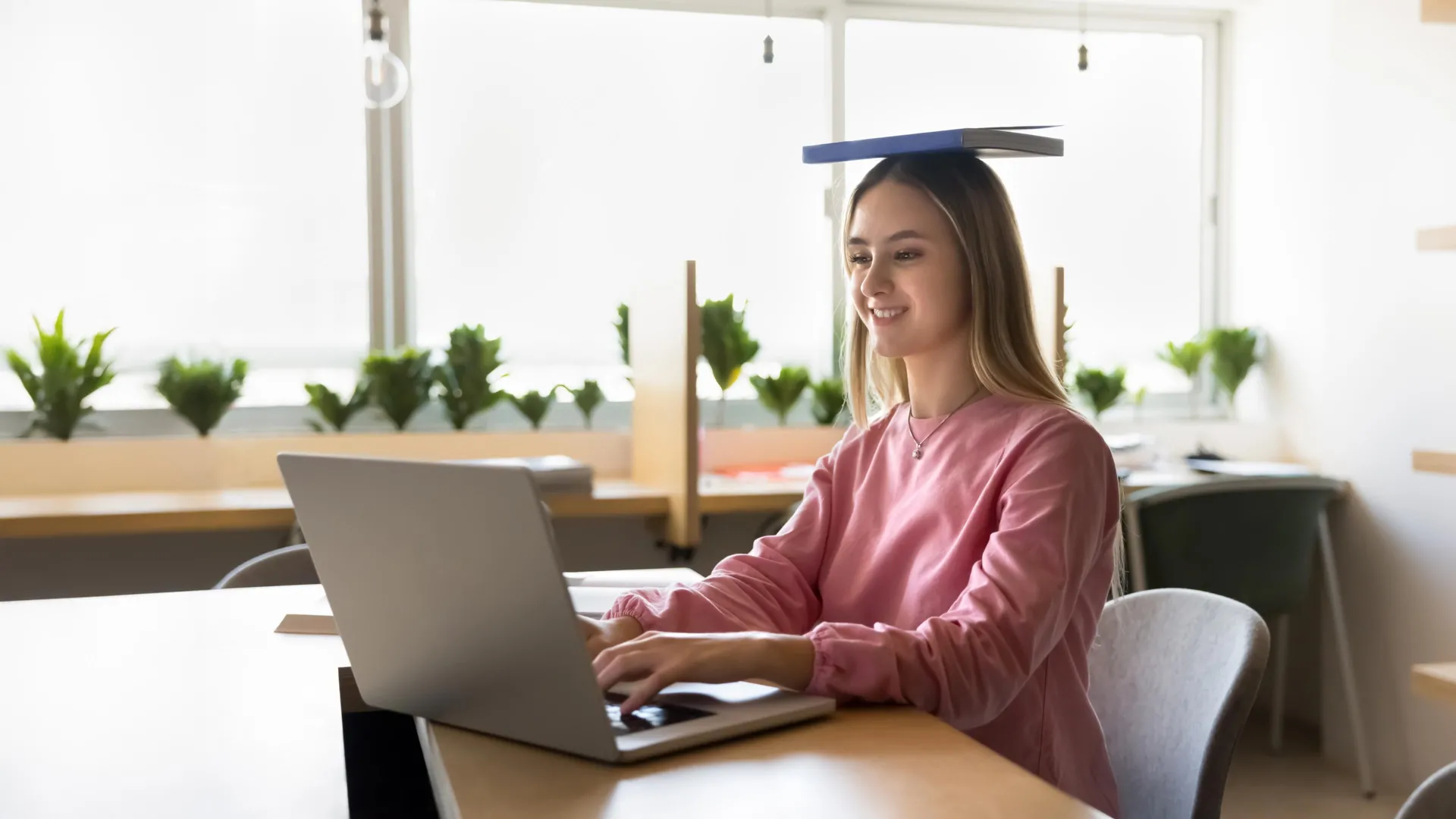
- Researchers subtly manipulated posture by placing tablets either on a raised stand encouraging upright sitting or flat on a lower desk encouraging hunching — without telling participants the true purpose.
- Upright participants took greater risks and earned larger rewards in a virtual balloon game, and were not acting more impulsively but rather engaging in more effective risk-taking, per Armony.
- Upright participants also reported significantly stronger feelings of pride on a post-experiment questionnaire — an emotion associated with a more positive mood.
- Video software measured each participant's neck angle to objectively verify posture, addressing a key methodological criticism of earlier "power pose" research.
- The study, published in the British Journal of Psychology, was funded by the Natural Sciences and Engineering Research Council of Canada and the Social Sciences and Humanities Research Council of Canada.
Why it matters: Among ~200 participants in a controlled experiment, those whose environment nudged them upright earned larger rewards in a risk-reward game and reported measurably stronger feelings of pride — concrete emotional and behavioral outcomes from a purely physical adjustment. The study's implicit manipulation and objective neck-angle measurement give it more methodological rigor than earlier "power pose" work, strengthening the case that ordinary environmental features like desk design influence more than physical comfort.
Ask SkimNews