1,396 Ukrainian Civilians Killed in H1 2026: UN — SkimNews

Get the Geopolitics newsletter
Daily geopolitics — wars, elections, sanctions, the diplomatic moves that move markets. Free.
- Russian forces killed at least 17 civilians and injured 44 in overnight ballistic missile and drone strikes on Tuesday, mainly around Kyiv, per the UN human rights office in Ukraine.
- The UN's OCHA reported July was the deadliest month for Ukrainian civilians since April 2022.
- UN monitors confirmed 1,396 Ukrainian civilians killed and 7,978 injured in H1 2026 — a sharp increase from the same periods in 2024 and 2025.
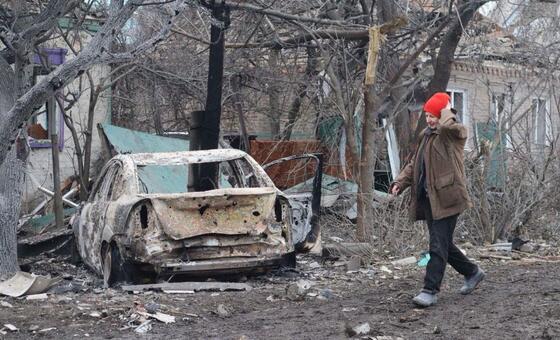
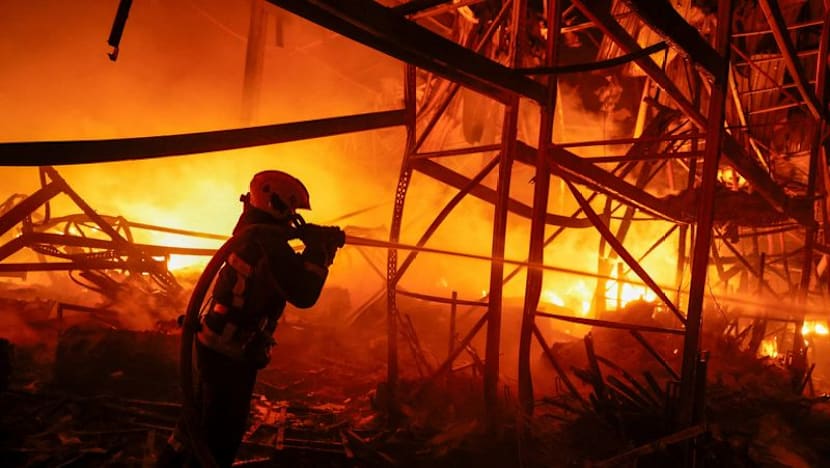
- Strikes beyond Kyiv hit Kramatorsk, Kherson, and Zaporizhzhia, destroying homes, schools, public transit, water systems, and humanitarian warehouses.
- The UN reported in February that 3.7 million Ukrainians are internally displaced, with 5.9 million living as refugees worldwide.
- Ukrainian drone strikes killed at least 12 people, including children, across multiple Russian cities on Tuesday, according to local authorities.
- The UN's Winter Response Plan launched in July to provide heating, shelter, health care, and other assistance for 12.7 million Ukrainians in need.
Why it matters: July's toll marks the deadliest month for Ukrainian civilians since April 2022, with 1,396 killed in just six months of 2026. The UN's Winter Response Plan — providing heating, shelter, and health care for 12.7 million Ukrainians — makes clear civilians face both escalating attacks and a humanitarian crisis as winter approaches.
Ask SkimNews