Indonesia's '10 New Balis' Plan Cuts to 5 Destinations — SkimNews

Get the Culture newsletter
Daily culture — film, music, books, the trends and ideas worth your attention. Free.
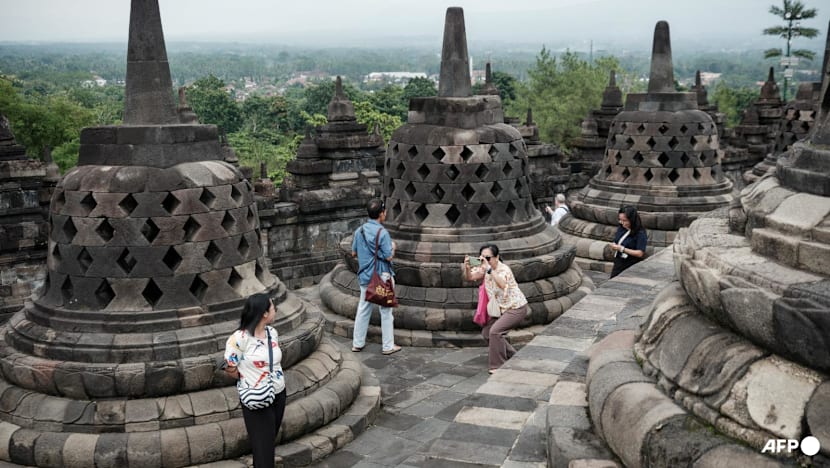
- Indonesia's '10 New Balis' initiative was narrowed from 10 destinations to five Super-Priority Tourism Destinations (SPTDs) — Lake Toba, Borobudur, Mandalika, Labuan Bajo and Likupang — after weak private investment and fiscal constraints undercut the original vision, with the government framing the shift as a move from quantity to quality tourism.
- Indonesia's Ministry of Public Works and Housing allocated nearly 4 trillion rupiah (~$224M) across the five super-priority destinations, with Borobudur receiving the largest share at over 2 trillion rupiah for gateway improvements and cultural corridor development.
- Lake Toba's Toba Caldera Resort triggered land disputes when indigenous communities in Sigapiton opposed the seizure of active agricultural land for access roads, with residents rejecting compensation offers and confronting security forces over customary claims lacking formal legal recognition.
- Mandalika's international motorcycle racing circuit put Lombok on the global sporting map, but surrounding villages have struggled to compete with dominant luxury resorts, leaving locally owned accommodations and informal workers on the margins of the boom.
- Labuan Bajo has been transformed into a venue for high-profile international gatherings, yet ecological pressure on Komodo habitats and social tensions with local fishing communities over public-space access continue to intensify despite completed marina and beautification projects.
- Indonesia's domestic tourism market shows a striking paradox: average length of stay fell nearly 20% to just four nights as soaring domestic airfares — driven by an uncompetitive aviation market — made international travel more affordable for many Indonesians than visiting the destinations their taxes helped build.
- Dropped destinations illustrate the risks of deprioritization: Tanjung Kelayang failed sustainability audits due to weak management, Tanjung Lesung stalled over toll-road delays that deterred investors, and Wakatobi saw a sharp decline in international arrivals from the absence of direct flights.
Why it matters: Indonesia's top-down tourism model is funding world-class infrastructure while local communities at Lake Toba, Mandalika and Labuan Bajo absorb the costs — land dispossession, ecological pressure on Komodo habitats, and an aviation market that prices domestic travelers out of destinations their taxes funded. Better-paying managerial and technical jobs go to outsiders, leaving host villages with low-wage informal work and widening the gap between Jakarta's macroeconomic headlines and on-the-ground prosperity.
Ask SkimNews