U.S. Seeks Coalition to Reopen Hormuz as Oil Hits $126 — SkimNews
SkimNews Take
The U.S. seeking international help to reopen the Strait of Hormuz suggests that even with its military power, unilateral action against Iran's new rules for the strait is not a preferred option, highlighting the economic and political complexities of global energy security.
Get the Geopolitics newsletter
Daily geopolitics — wars, elections, sanctions, the diplomatic moves that move markets. Free.
- United States is pressing ahead with plans for an international coalition to open the Strait of Hormuz, according to a State Department cable seen by Reuters.
- State Department cable invites partner nations to join a new coalition called Maritime Freedom Construct (MFC) to enable ships to navigate the strait, with oral delivery to partners by May 1.
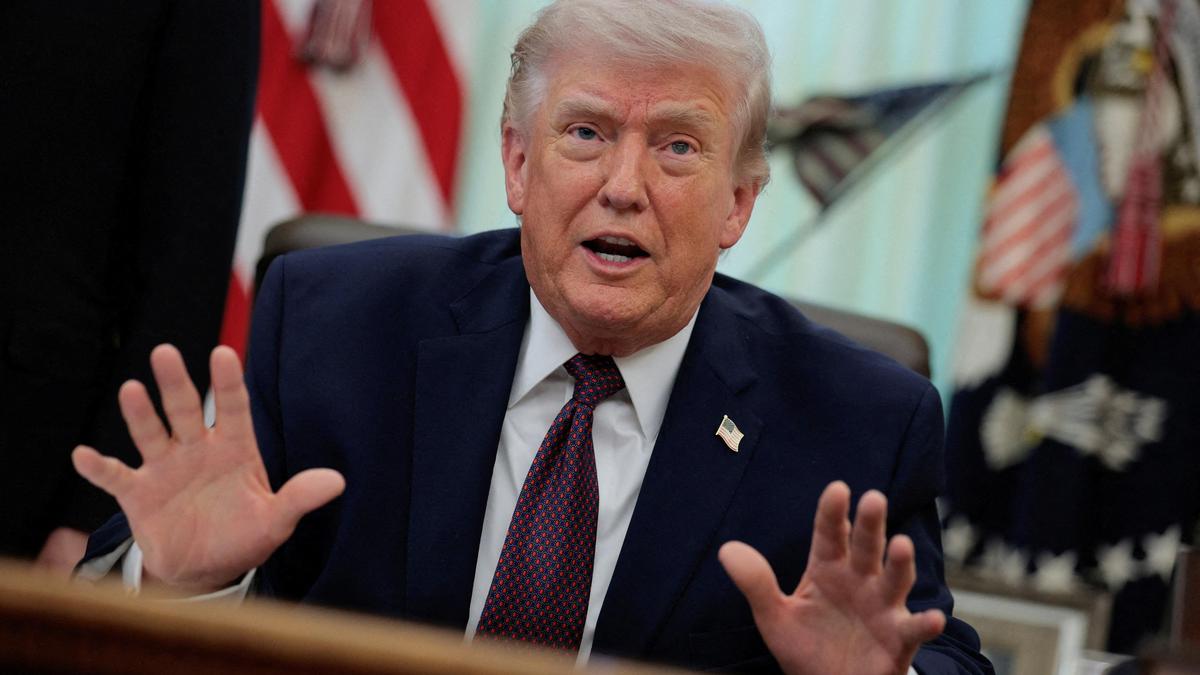
- Trump is slated to receive a briefing on Thursday (April 30, 2026) on plans for fresh military strikes on Iran to make it more flexible on nuclear issues, per Axios.
- Iran warned of “unprecedented military action” against continued U.S. blockading of its vessels and offered to suspend nuclear discussions until the war ends, a proposal the United States rejected.
- Pakistan is acting as mediator, seeking to avoid escalation while the sides exchange messages, and relayed U.S. observations on Iran's proposal, with Iran asking for time until the end of the week.
- Brent crude hit more than $126 a barrel, its highest level since March 2022, after the war began on February 28, doubling in price.
- Pentagon estimates the conflict has cost the U.S. military $25 billion so far.
Why it matters: Restoring the strait would reopen roughly 20 % of global oil and gas supplies, easing inflationary pressure on pump prices, while the U.S.’s push for fresh strikes and Iran’s threats risk further escalation and add to the $25 billion war cost already borne by the U.S. military.
Ask SkimNews