Min Aung Hlaing Visits Thailand on Diplomatic Comeback — SkimNews
Get the Geopolitics newsletter
Daily geopolitics — wars, elections, sanctions, the diplomatic moves that move markets. Free.
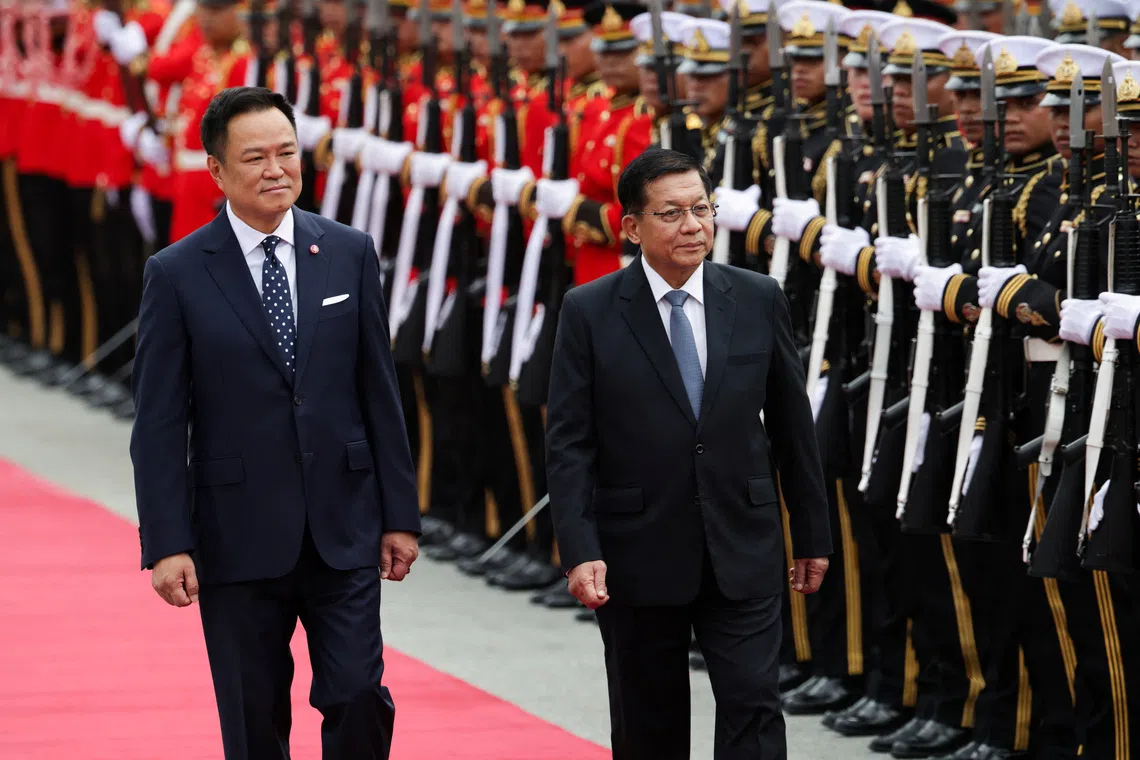
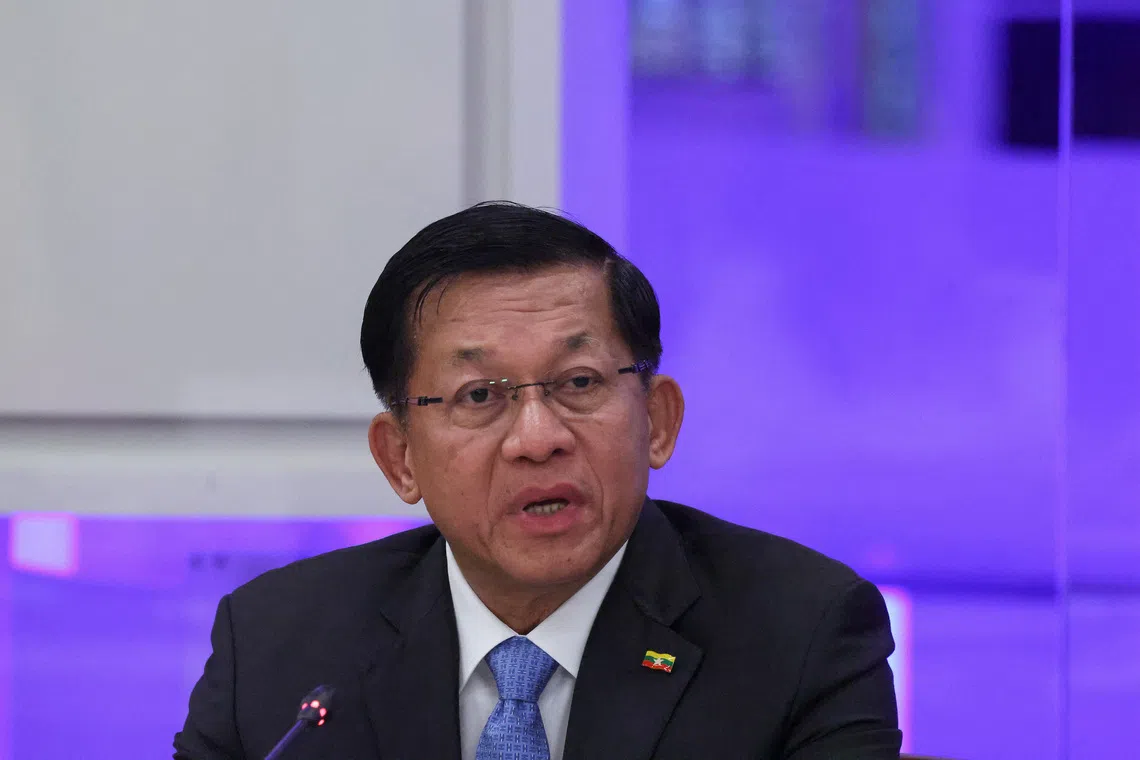
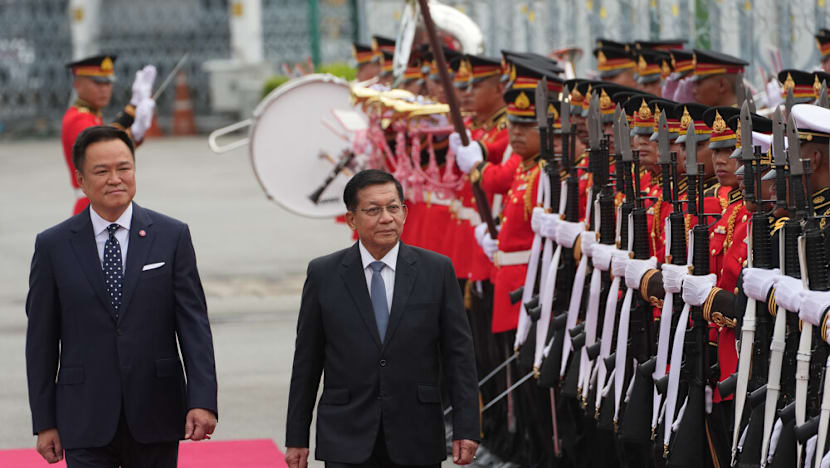
- Min Aung Hlaing arrived in Bangkok on Thursday (Aug 6) for his first Thailand visit as civilian leader, scheduled to meet PM Anutin Charnvirakul one-on-one and expected to sign a memorandum of understanding on labour cooperation.
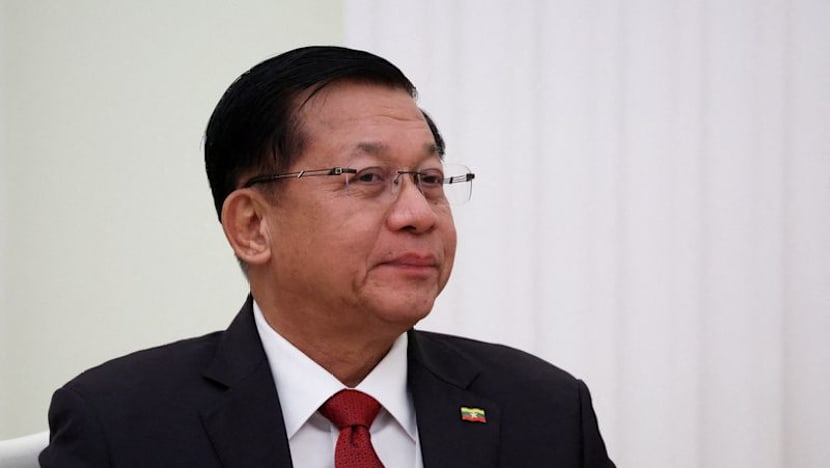
- Myanmar was installed with Min Aung Hlaing as leader in April following elections that democracy watchdogs and Western nations called a sham; he is sanctioned by several Western nations and wanted by the International Criminal Court for crimes against humanity.
- Aung San Suu Kyi, under house arrest since the 2021 coup, was allowed to meet an International Committee of the Red Cross representative on Monday — the first time she has been seen meeting a foreign official since her ouster.
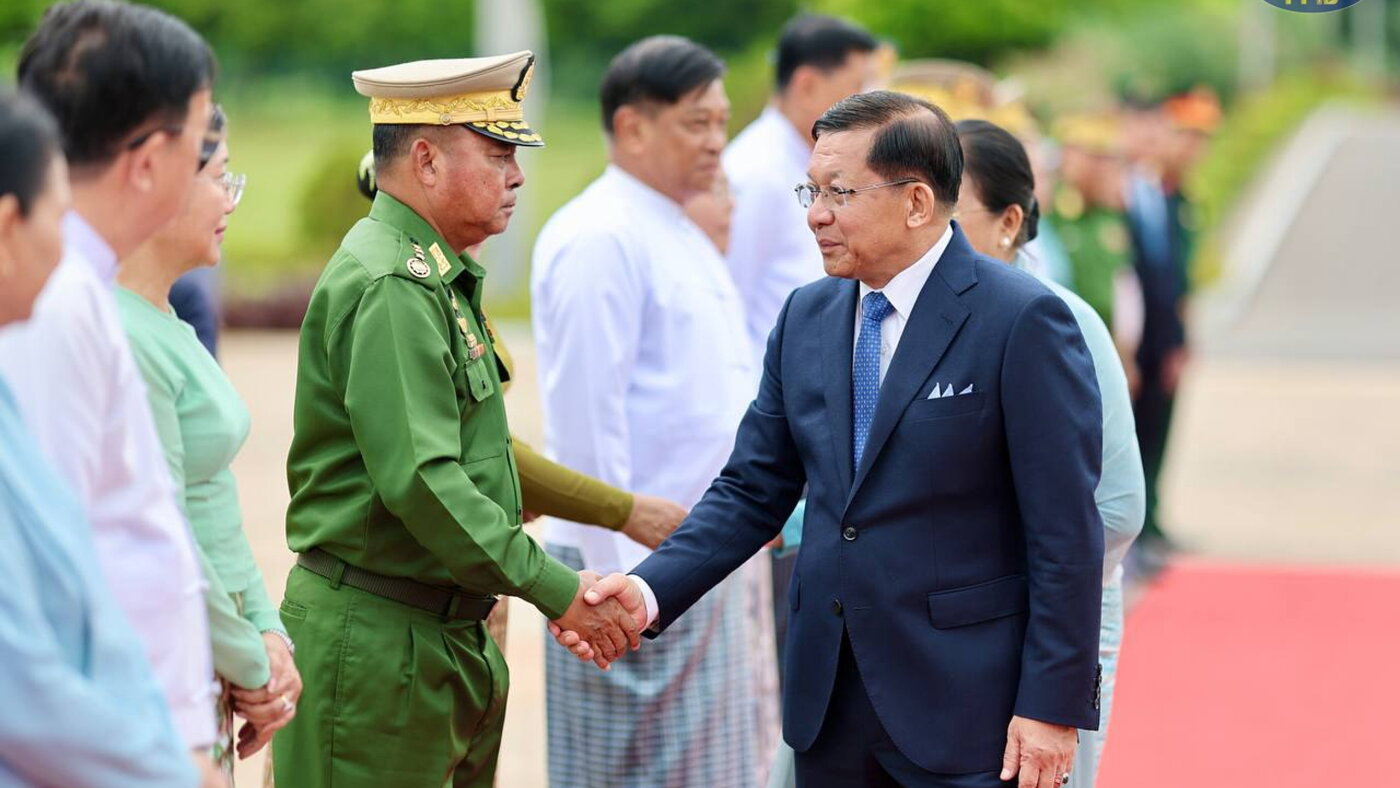
- ASEAN has excluded Myanmar's leadership from high-level summits since the 2021 putsch, but Myanmar has already secured recognition from India, China, Russia, and Thailand, making restored ASEAN ties a 'nice to have' rather than essential, per analyst Morgan Michaels.
- Myanmar's leaders have refused to buy into ASEAN's 'five-point consensus' to end hostilities through dialogue with all sides, while paradoxically seeking to be seen as responsible members of the bloc, according to independent analyst David Mathieson.
- Thailand's Foreign Minister Sihasak Phuangketkeow said Myanmar and Cambodia could 'do a lot more' to combat cyber-scam networks along their shared border, an issue he said would be raised during Min Aung Hlaing's visit.
Why it matters: Thailand is rolling out the red carpet for a leader sanctioned by the West and wanted by the ICC, because the Myanmar civil war has spilled across their long shared border and Thailand hosts millions of Myanmar refugees. The labour cooperation MoU signals Bangkok is prioritizing bilateral economic ties and border security — including pressure on scam networks — over human rights concerns from Western capitals.
Ask SkimNews