When Wham! Went To China To Conquer America: Unearthed Rushes In New Feature Doc Give Fresh Perspectives On A Pop History Moment — SkimNews

Get the Culture newsletter
Daily culture — film, music, books, the trends and ideas worth your attention. Free.
- Wham! 10 Days in China receives a one-day theatrical release via Trafalgar Releasing on approximately 1,000 screens across the U.S., UK, and Australia, before bowing on BBC Two in late August alongside a night of Wham! and George Michael programming.
- Mike Christie directed the doc for producers Sony Music Entertainment UK and Supercollider (Zinc Media), restoring original 1985 rushes over a seven-month process after Andrew Ridgeley and the George Michael Estate backed the project.
- Lindsay Anderson, the British New Wave filmmaker behind If… and This Sporting Life, shot the original 1985 footage; his own resulting film If You Were There… was rejected by the band and confined to the archives, with the Christie film using the rushes directly.
- The film adopts a multi-perspective approach — George and Andrew's personal view, the band's, the press's, the documentary makers', and Chinese audiences' — deliberately stepping away from the "perfectly manicured music doc" format per Christie.
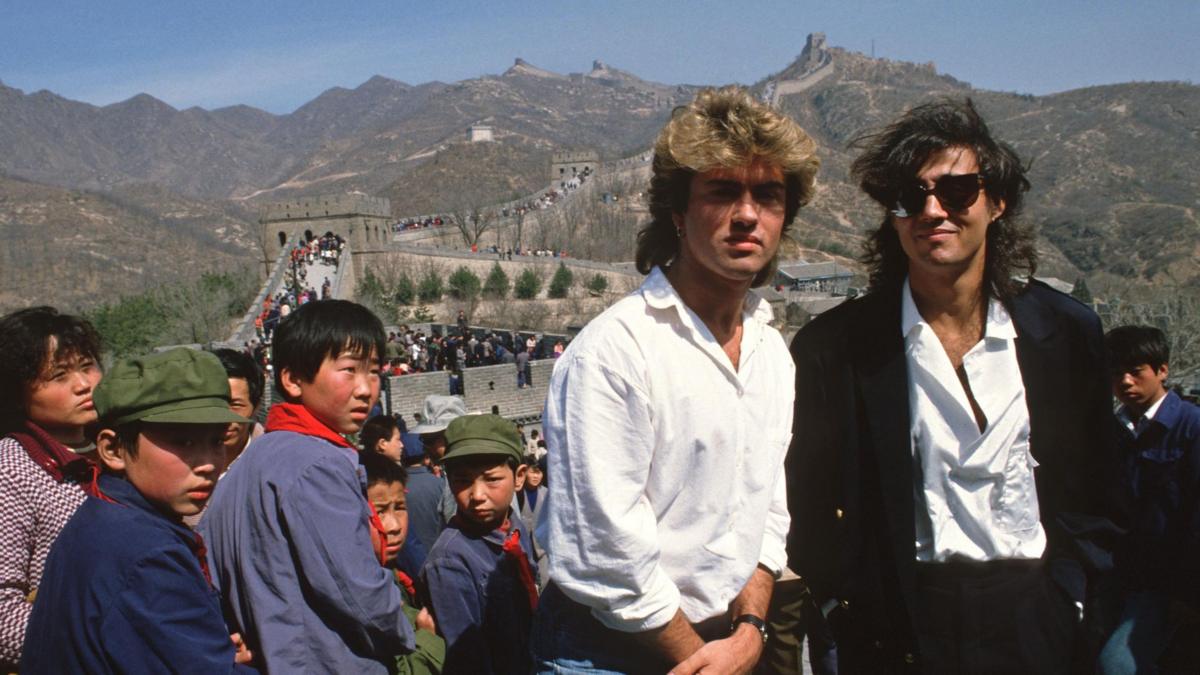
- Wham!, the first Western pop group to play communist China in 1985, undertook the Beijing and Guangzhou trip primarily to generate U.S. press coverage — and a brief cut to a sell-out American show in the film underscores that the strategy worked shortly before the duo split.
- The doc captures friction between George Michael and Anderson (Michael visibly cold-shoulders the director on camera) and the band's running battles with the British tabloid pack, an irony Christie highlights given the trip's stated PR purpose.
Why it matters: The George Michael Estate and Ridgeley unlocking seven-months-restored warehouse footage signals a willingness to trade polished celebrity imagery for a rougher, multi-perspective documentary — and Trafalgar's 1,000-screen day-and-date release gives an indie music doc theatrical reach typically reserved for concert films.
Ask SkimNews