Trump's '57 Nukes' Baseline Hands Beijing Korea Endgame — SkimNews
Get the Geopolitics newsletter
Daily geopolitics — wars, elections, sanctions, the diplomatic moves that move markets. Free.
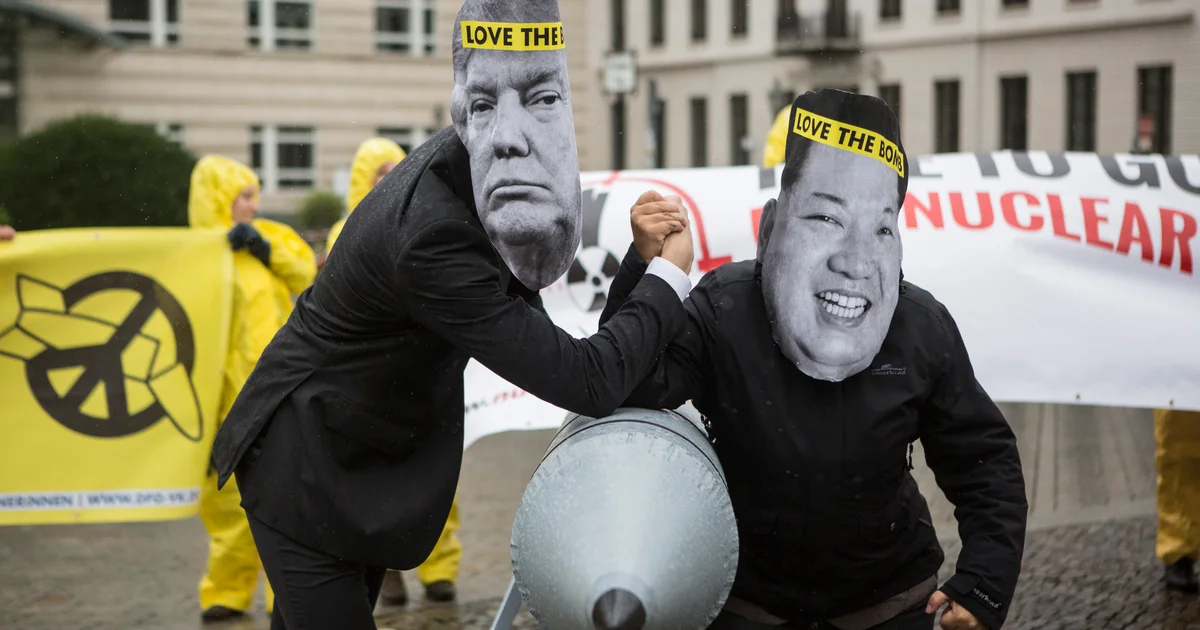
- Donald Trump publicly acknowledged North Korea possesses "57 very powerful nuclear weapons" and signaled expectation of another summit with Kim Jong-un this year, contradicting the November 2025 US-South Korea Joint Fact Sheet's reaffirmed commitment to "complete denuclearisation of the DPRK."
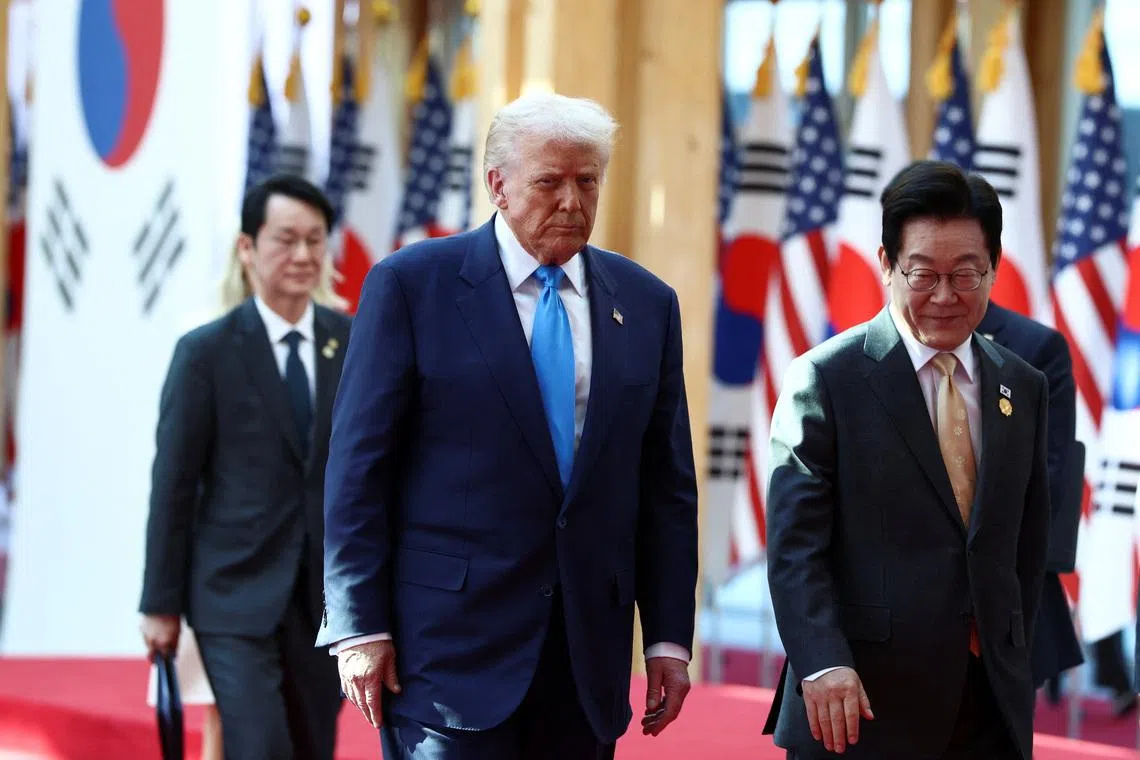
- Chinese Foreign Minister Wang Yi, on his first visit to Seoul in five years, omitted the word "denuclearisation" from his readout, welcoming instead movement toward "peaceful coexistence" between the two Koreas.
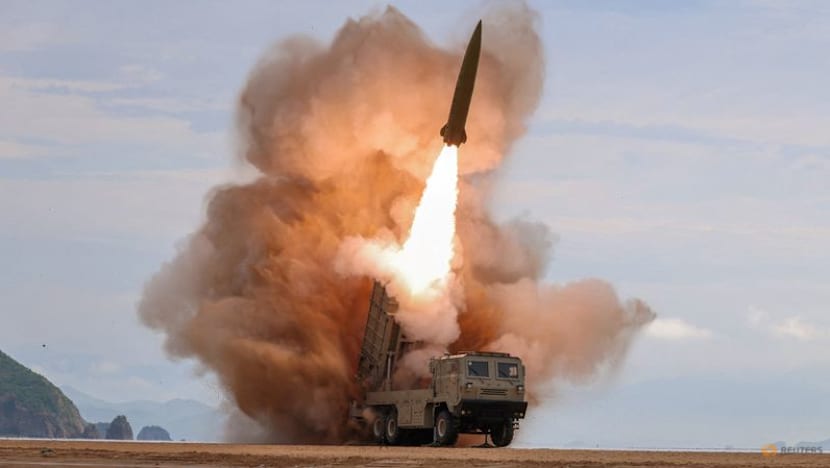
- Shortly after Wang Yi departed, North Korea launched approximately 10 short-range ballistic missiles that South Korean officials assessed were 600mm super-large MLRS, a system Pyongyang claims can carry tactical nuclear warheads.
- Trump ordered the Pentagon to "substantially reduce" the Ulchi Freedom Shield exercises, explicitly tying the decision to his relationship with Kim and his irritation over South Korea declining to join US actions against Iran.
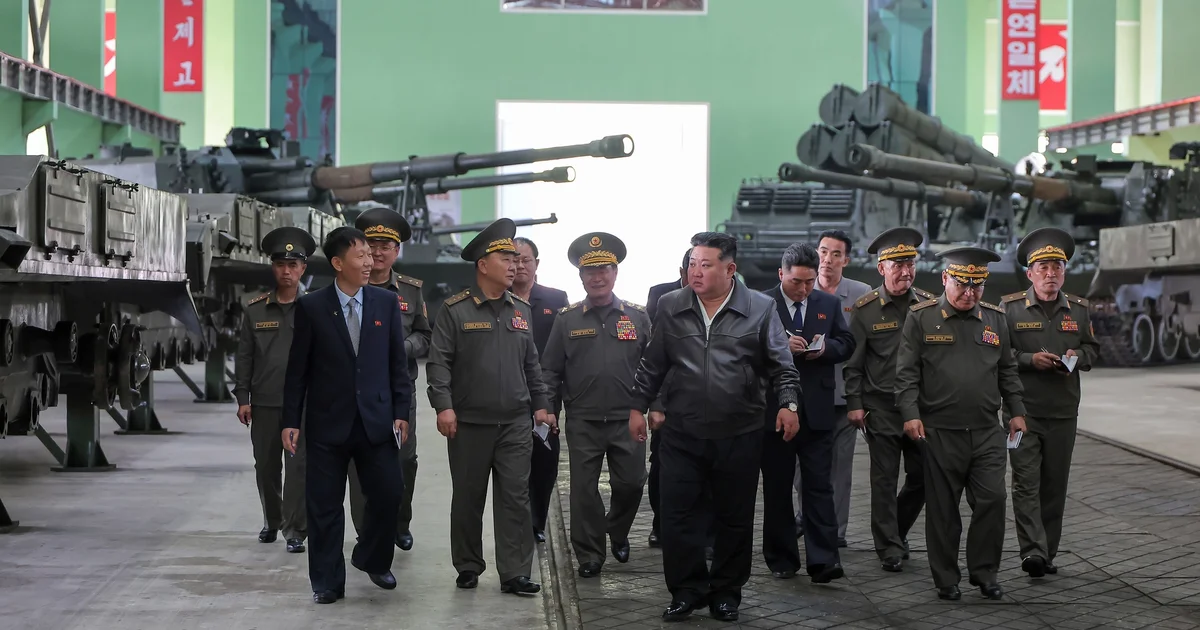
- Kim Yo-jong responded not with praise for Trump's overture but by mocking the South Korean military as a "scarecrow army" that had "entrusted command to its master," using the US concession as a wedge against Seoul.
- A potential Trump-Kim meeting is being eyed before year-end, possibly on the sidelines of the APEC summit in Shenzhen in November, with the article warning that a deal freezing capabilities at "57 nukes" would turn denuclearization from policy goal into diplomatic fiction.
- South Korean Defence Minister Ahn Gyu-back was forced to publicly maintain non-recognition of North Korea's nuclear status while navigating questions about Trump's specific "57 nukes" assessment, illustrating Seoul's trapped position.
Why it matters: Seoul is now caught between two great powers that have quietly abandoned the goal of actual denuclearization: Washington through transactional summitry that accepts Pyongyang's arsenal as baseline, and Beijing through a linguistic retreat from disarmament language. The Ulchi exercise cut—explicitly tied to South Korea declining to join US actions against Iran—signals that alliance costs now depend on Korean compliance with unrelated US third-country confrontations.
Ask SkimNews