Japan, Philippines to Negotiate Military Intelligence Pact — SkimNews

Get the Geopolitics newsletter
Daily geopolitics — wars, elections, sanctions, the diplomatic moves that move markets. Free.
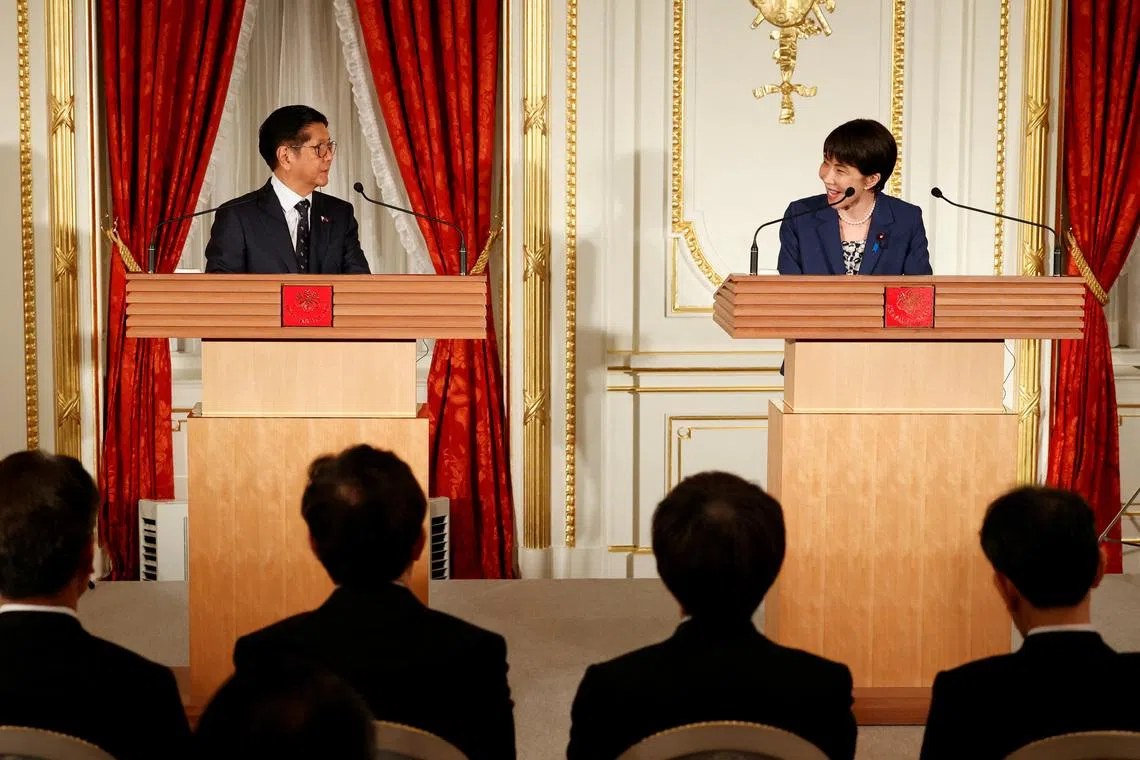
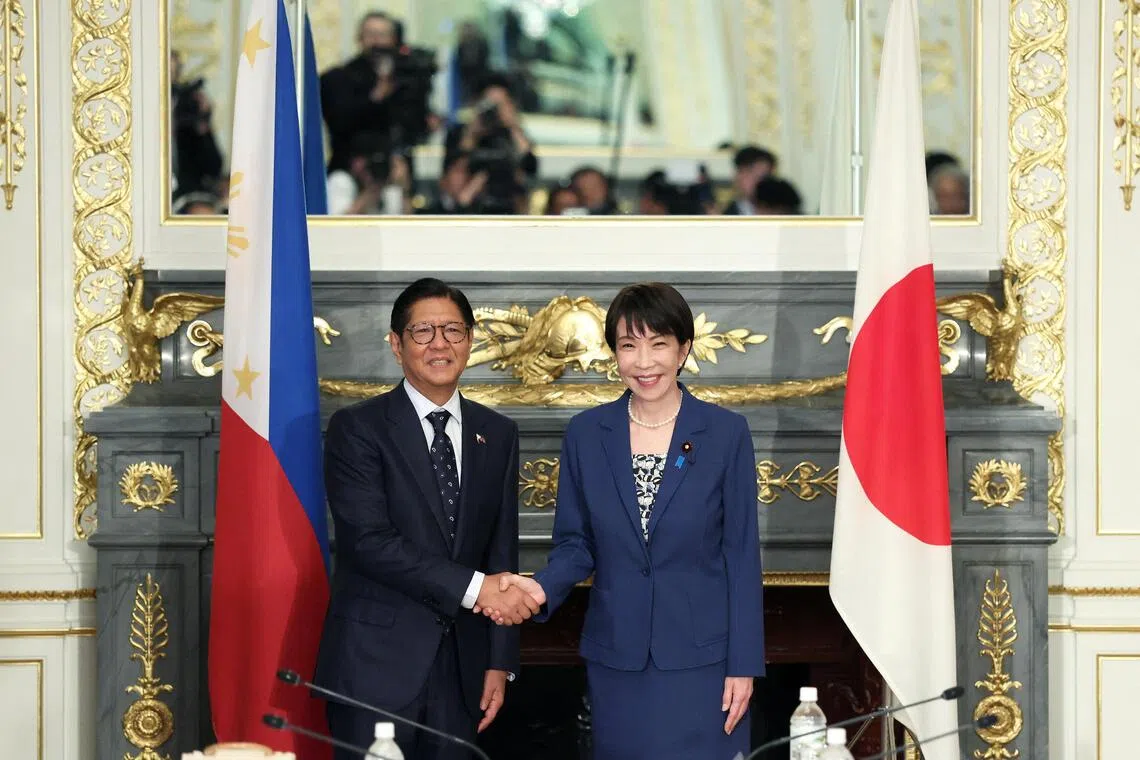
- Japan and the Philippines will launch formal GSOMIA negotiations when Marcos meets Prime Minister Takaichi Sanae on Thursday, and the two sides are also set to upgrade their current strategic partnership to a comprehensive strategic partnership.
- The GSOMIA would be Japan's first such intelligence-sharing pact with a Southeast Asian country, sitting alongside existing agreements with the US, UK, India, and South Korea, while the Philippines signed its own intelligence-sharing pact with Washington in November 2024.
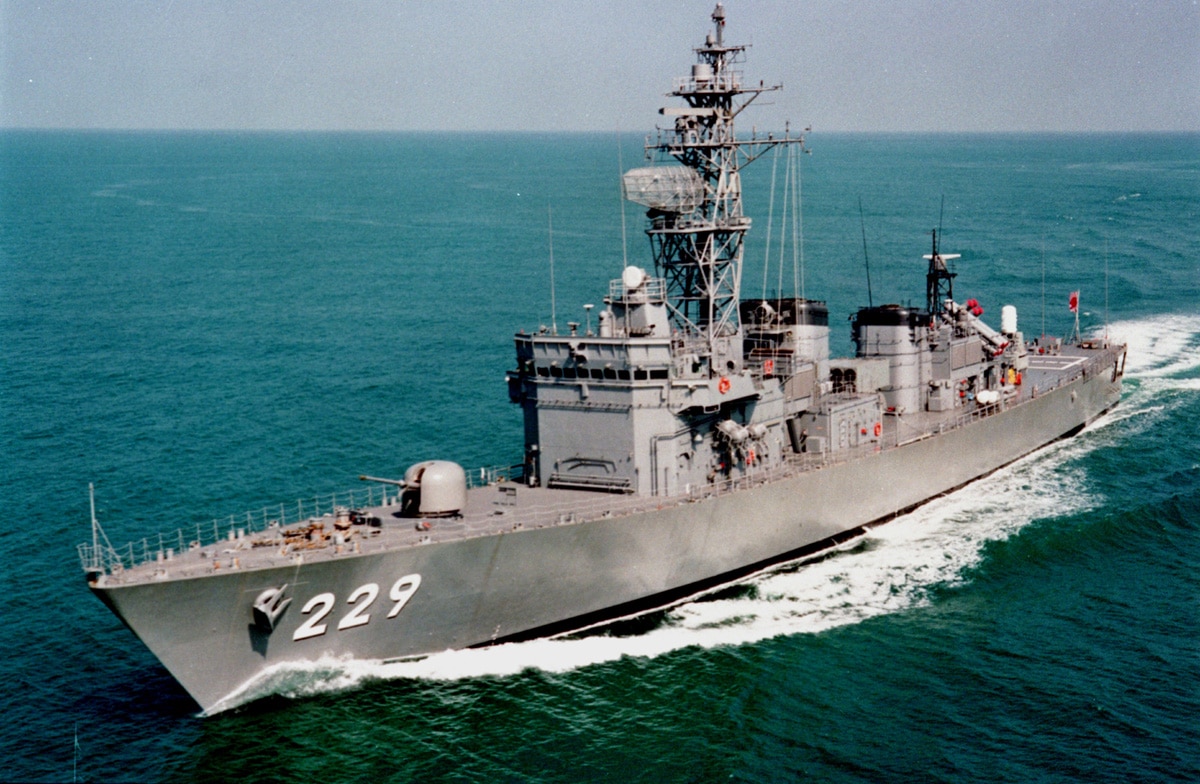
- Defense equipment cooperation is set to accelerate after Japan lifted its decades-old ban on lethal weapons exports last month; the two defense chiefs have agreed to a new framework expected to enable an "early transfer" of Abukuma-class destroyer escorts, TC-90 aircraft, and Type 88 guided anti-ship missiles.
- Japan's Self-Defense Forces participated actively in the recent Balikatan exercises for the first time — deploying roughly 1,400 personnel and firing Type 88 anti-ship missiles — after years of serving only as an observer in the annual US-Philippine drills.
- The Marcos-Takaichi meeting is also expected to finalize an energy agreement under POWERR Asia, the Southeast Asia energy framework Japan launched last month, with Tokyo set to help build a fuel stockpiling program run by a state-owned Philippine oil company.
- Takaichi is expected to announce further grants under Japan's Official Security Assistance framework, following $6 million in OSA announced in January for housing facilities for donated rigid-hulled inflatable boats and internet access in conflict-affected areas of the southern Philippines.
Why it matters: The GSOMIA would complete the legal architecture for a US-Japan-Philippines trilateral intelligence-sharing framework mirroring the US-Japan-South Korea arrangement, while the post-ban defense equipment framework opens a concrete path for Manila to acquire Abukuma destroyer escorts and Type 88 anti-ship missiles — both of which materially raise the cost of Chinese maritime coercion in contested waters.
Ask SkimNews