Analyst: SBU Strike Was Kremlin Information Warfare — SkimNews
Get the Geopolitics newsletter
Daily geopolitics — wars, elections, sanctions, the diplomatic moves that move markets. Free.
- Mykola Knyazhytskyi argued in Espreso on Sept. 5, 2026 that the Russian drone strike on the SBU's administrative building in Kyiv had little military value, since Ukrainian security leadership does not operate from well-known, mapped locations.
- The attack functioned as an information-warfare operation, Knyazhytskyi wrote, designed to create a picture of Russian strength and Ukrainian weakness ahead of possible negotiations.
- Knyazhytskyi drew a parallel to Russian drones entering NATO territory and missiles falling near NATO borders, where physical damage is minimal but political and psychological effects are much greater.
- The strike's goal, per Knyazhytskyi, is to convince Ukrainians, Europeans, Americans, and Russians themselves that time favors Moscow — a narrative he calls "decorative, illusory power" belied by Russia's failure to achieve its strategic war goals and Ukraine's growing long-range strike capability.
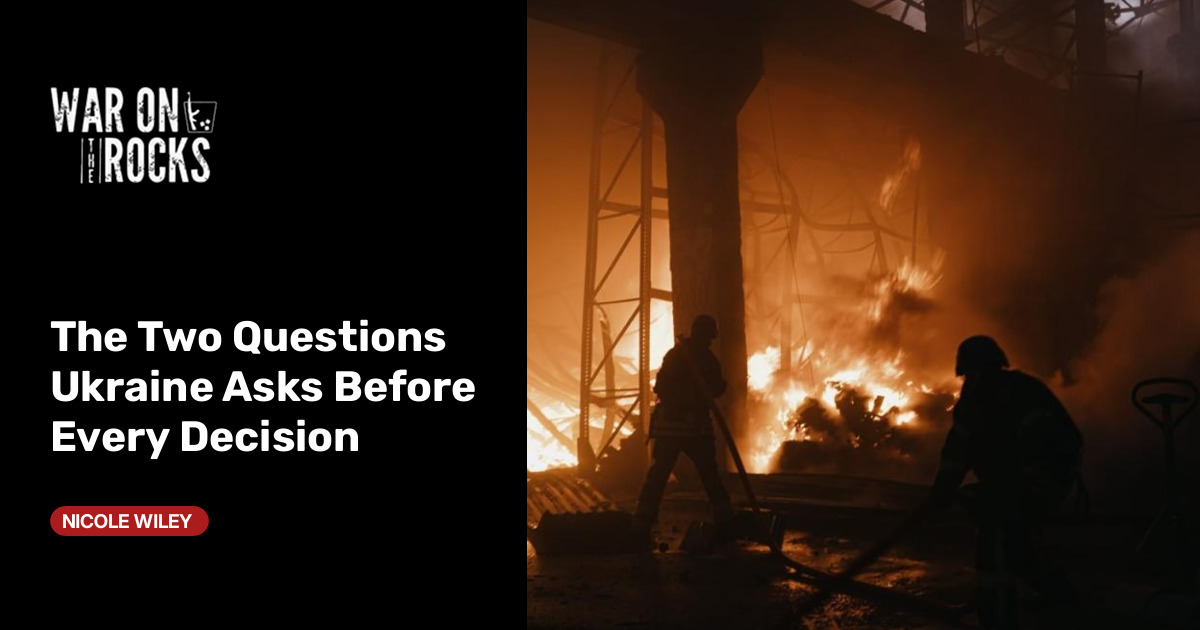
- The piece appears in "The Ukraine Compass," a new War on the Rocks weekly digest that frames itself as a corrective to American coverage "narrowed to the battlefield," instead surfacing Ukrainian political and societal debate.
Why it matters: Knyazhytskyi's framing recasts the SBU strike as political theater timed for the pre-negotiation information environment rather than a genuine attempt to degrade Ukrainian intelligence leadership, which he notes is not based at the targeted building. That matters for Western observers calibrating responses to Russian escalation: if the Kremlin's targeting logic is aimed at Ukrainian, European, and American audiences rather than battlefield effect, the escalation's meaning shifts from military pressure to narrative pressure ahead of talks.
Ask SkimNews