Bessent Unveils New Iran Sanctions Push to Isolate Regime — SkimNews
Get the Geopolitics newsletter
Daily geopolitics — wars, elections, sanctions, the diplomatic moves that move markets. Free.
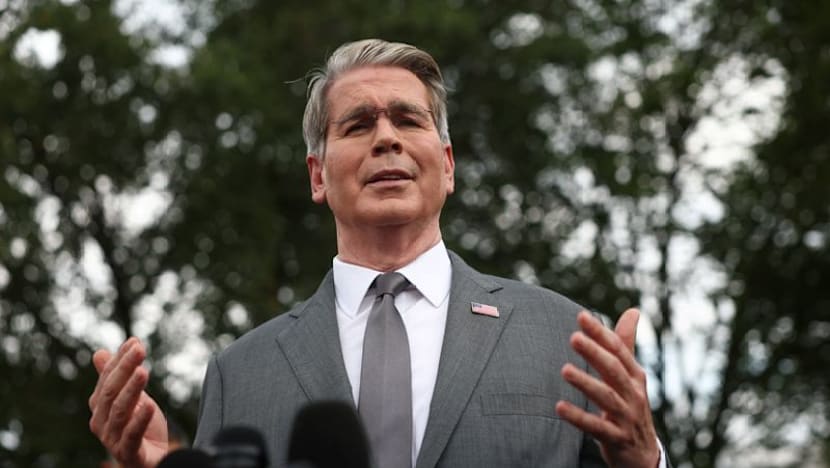
- Scott Bessent unveiled a new sanctions campaign against Iran, vowing to 'sever every economic lifeline' and warning nations doing business with Tehran they will 'share in the isolation of a withering regime.'
- The UAE — which imported roughly $21 billion in Iranian goods in 2024 and had served as a sanctions-evasion conduit — announced it is halting all trade and financial transactions with Iran.
- China purchased an estimated $31 billion in Iranian crude oil in 2025 (nearly 45% of Iran's government budget), but imports have plunged approximately 40% from prewar levels due to the U.S. naval blockade; Beijing publicly opposes unilateral sanctions.
- Iran's shipping costs surged from $3,000 to $12,000 per container after the blockade, per Iran-China Chamber of Commerce head Majid-Reza Hariri, who called the blockade 'worse than the war.'
- Iran's security chief Mohsen Rezaei threatened 'seismic' retaliation against countries joining the economic war, pledging to target tankers on alternate shipping routes so 'not even a single drop of oil will leave from the region.'
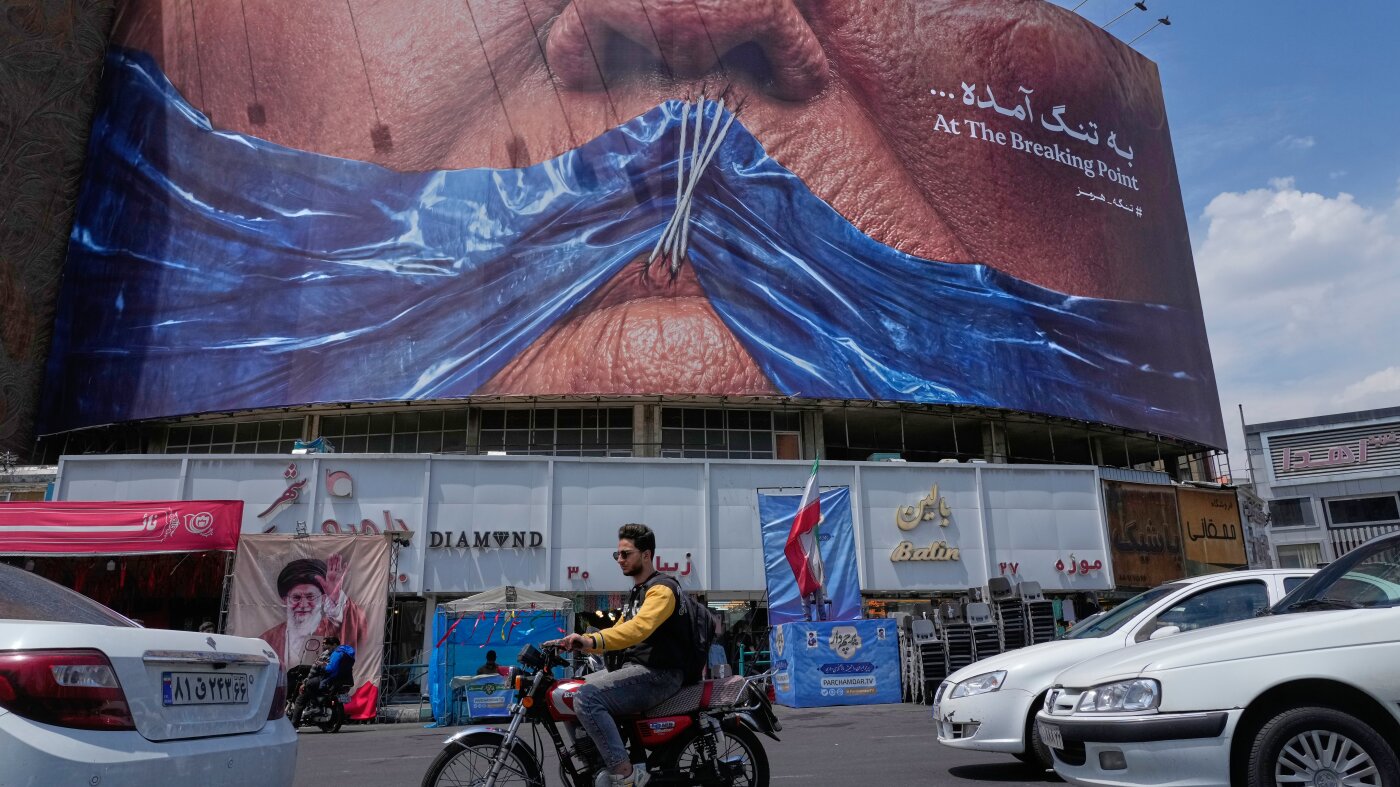
- Ordinary Iranians are already absorbing the squeeze: a Tehran woman told NPR her neighbor can't access cancer medication, her bank account was blocked with roughly $1,000 missing, and a modest grocery run cost $30 against a monthly minimum wage of about $100.
Why it matters: The U.S. faces a structural catch-22: sanctioning Chinese entities, which buy nearly 45% of Iran's oil revenue, could derail any trade deal with Beijing, yet without Chinese compliance Iran retains its largest economic lifeline. Meanwhile, Iranian threats to target tankers beyond Hormuz raise the prospect of a regional shipping war — leaving Bessent's 'maximum pressure' campaign dependent on countries whose cooperation the Trump administration cannot enforce.
Ask SkimNews