Beyond LNG: Berlin’s red-carpet diplomacy signals a bigger bet on Algeria

Get the Geopolitics newsletter
Daily geopolitics — wars, elections, sanctions, the diplomatic moves that move markets. Free.
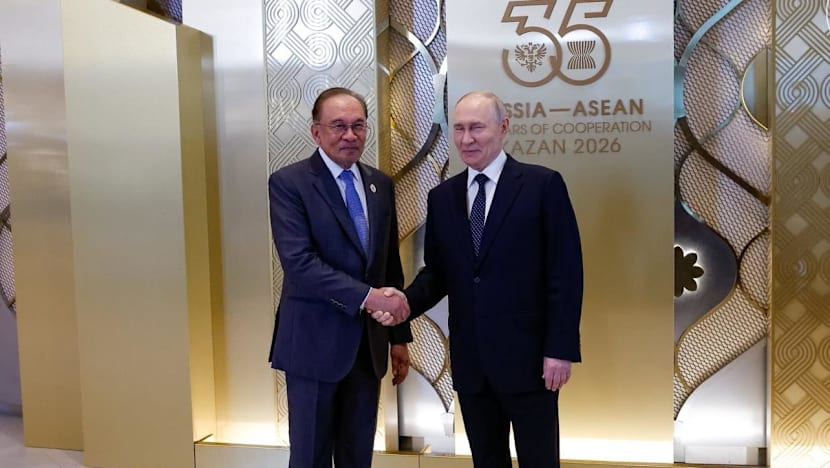
- Tebboune was received with military honors at Villa Borsig in Berlin on Thursday, and 30 agreements were signed between German and Algerian companies spanning hydrocarbons, renewables, energy transition, pharmaceuticals, manufacturing, and advanced technology.
- Algeria shipped its first-ever LNG cargo to Germany two weeks before the visit, with the tanker Tessala landing at Wilhelmshaven from Sonatrach's GL2Z liquefaction complex near Oran.
- Algerian gas now accounts for 18.5% of EU gaseous natural gas imports in 2025 (second after Norway at 54.4%) and rose to 20% of EU pipeline imports in Q1 2026, while Russia's share collapsed from roughly 40% in 2021 to about 6% last year.
- The European Council adopted a regulation in January banning Russian LNG and pipeline gas outright from March 18, 2026, with transition periods for existing contracts.
- Sonatrach began welding its 1,210km section of the Trans-Saharan pipeline in June, part of a 4,000km line intended to carry up to 30 billion cubic metres of Nigerian gas per year across Niger and Algeria to Europe.
- The Southern Hydrogen Corridor, a 3,300km pipeline project linking Algeria to Italy, Austria, and Germany with 4 million tonnes-per-year capacity, won renewed Merz backing but still has no signed German offtake agreement for Algerian hydrogen.
- Tebboune declined to address the case of imprisoned French journalist Christophe Gleizes — sentenced to seven years and upheld on appeal December 3 — saying he would answer that question only on Algerian soil.
Why it matters: With Russia's pipeline gas share down to roughly 6% and an EU ban taking effect March 18, 2026, Algeria's rising 18.5–20% share gives Berlin a direct sub-Mediterranean pipeline alternative, yet the absence of any signed German offtake agreement for Southern Hydrogen Corridor volumes means the deeper green-energy pivot remains aspirational rather than contracted.