Malaysia locks in 20 years of Russian oil, gas supply — SkimNews
Get the Energy newsletter
Daily energy & climate — solar, EVs, oil, the policy fights and tech bets shaping the transition. Free.
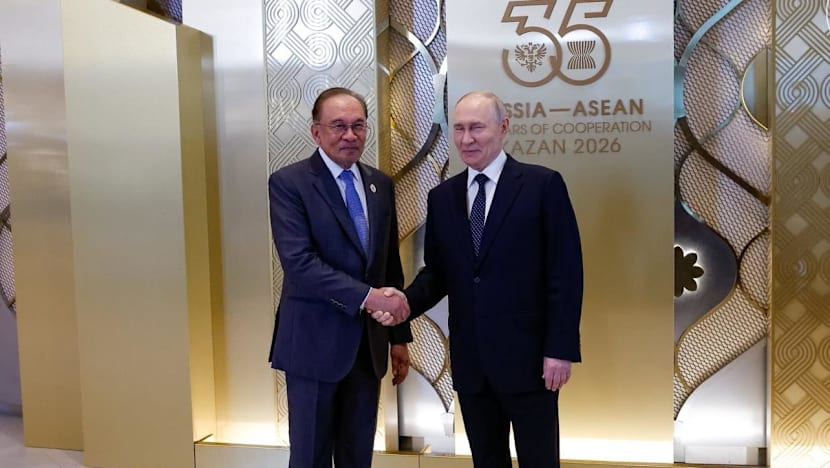
- Putin gave Anwar a 20-year assurance on Russian oil, gas, and diesel supply during their meeting on the sidelines of the ASEAN-Russia Commemorative Summit in Kazan on June 17-18.
- Petronas signed production-sharing agreements with Turkmennebit and Hazarnebit for offshore Caspian Sea Blocks 19 and 20, plus a cooperation agreement on 2D seismic studies for Northern Offshore Blocks.
- Anwar framed the energy push against disrupted Strait of Hormuz flows following US/Israel strikes on Iran on Feb 28, saying the deals would also let Malaysia boost gas exports to China, Japan, and South Korea.
- Malaysia is not part of Western sanctions on Russia and maintains a policy of "strategic neutrality," unlike the Philippines, Indonesia, Vietnam, and Myanmar which have also shown interest in Russian energy.
- Petronas has operated in Turkmenistan's Caspian sector since 1996, having developed Block 1 under a production-sharing agreement for roughly 30 years.
- The US and Iran signed an interim peace agreement on June 17, the same day the ASEAN-Russia summit opened in Kazan.
Why it matters: Malaysia is leveraging its non-aligned stance to lock in 20 years of Russian fuel and expand Petronas's Caspian footprint, insulating itself from Strait of Hormuz volatility while positioning as a future gas exporter to China, Japan, and South Korea. Five Southeast Asian countries are now competing for Russian supply, and Malaysia's deals put it ahead in the race.
Ask SkimNews